

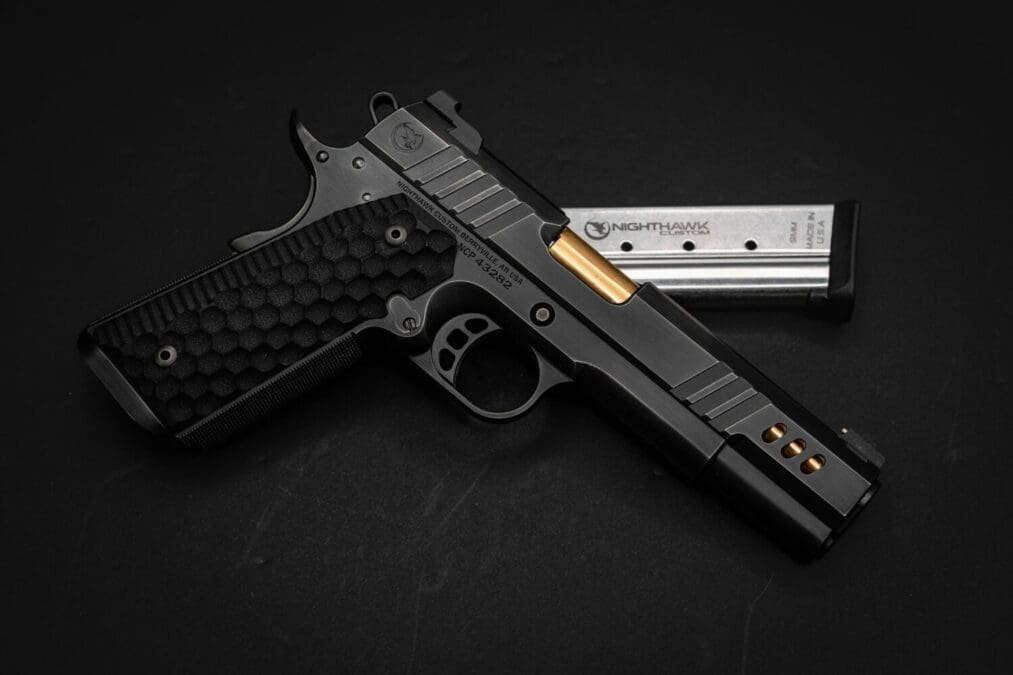
The updated regulation is designed to enhance the transparency and traceability of firearms import and export activities within the EU, thereby mitigating the risk of trafficking. With the introduction of these revised and more standardized rules, all imports and the majority of civilian-use firearm exports will face stricter oversight, while still allowing for ongoing trade.
**Electronic Licensing System**
The new framework establishes a continent-wide electronic licensing system (ELS) for manufacturers and dealers, transitioning from the largely paper-based national systems previously in place. Authorities will be required to consult this central database, which includes records of all refusals, before issuing any import or export permits. Member states will have the option to either implement the ELS or adapt their existing national digital systems to align with it, promoting enhanced oversight and information exchange among relevant authorities. The European Commission aims to launch the ELS within two years, with member states granted a four-year period to enter necessary data and link their systems.
**Annual Reporting Requirements**
To bolster transparency, negotiators from the European Parliament have secured a mandate for the Commission to produce an annual public report based on national data regarding civilian firearms import and export activities. This report will encompass various details, including the count of approved import and export authorizations, their customs value at the EU level, and statistics on refusals and seizures.
**Marking and Temporary Movements**
The revised regulation will also require dealers and manufacturers to mark all imported firearms and their key components sold within the EU market. This initiative aims to enhance traceability and prevent the proliferation of “ghost guns,” which are firearms assembled using unmarked parts.
**Official Statement**
Bernd Lange (S&D, DE), Chair of the International Trade Committee and rapporteur, stated: “Current controls on the import and export of handguns, such as pistols and rifles, remain insufficient. In regions like Latin America, many illegal activities and shootings are linked to handguns smuggled from Europe; it was crucial that we address these outdated regulations. Parliament has ensured that the new rules will encompass all civilian-use firearms and enhance control mechanisms, particularly regarding exports. The electronic monitoring system will further clarify and trace the end-use of firearms. Similar to the Dual Use regulation, these measures are essential for maintaining transparency in the trade of sensitive goods and limiting potential misuse.”
**Next Steps**
Both the Parliament and the Council must now approve the provisional agreement before the regulation can be enacted, which will take effect following its publication in the Official Journal of the EU.
**Context**
In response to a series of terrorist attacks across Europe over the past decade and with the aim of combating organized crime more effectively, the Commission proposed an update to the EU regulations governing firearms import, export, and transit measures in October 2022. Currently, it is estimated that around 35 million illicit firearms are in civilian hands within the EU, representing 56% of the total firearms, with approximately 630,000 firearms recorded as stolen or lost in the Schengen Information System, as reported by the Commission.
There is no connection between this legislative revision and the export of firearms for military use to Ukraine.
**Source Link**
**Related Articles**
– Circular economy: agreement reached on new EU regulations for the automotive sector | News
– EU Agreement Digitizes Posted Worker Declarations