It is important for every owner to know that their pet is happy, lively and in good health. However, sometimes the signs that everything is fine with your dog are not limited to the absence of illness. We are used to noticing mainly when something is wrong, which is why we can miss the signs that our furry friend gives us every day that he feels good – through his behavior, energy, appetite and the way he moves. Even through the shine of his fur! That is why observing small changes in everyday life is one of the most important tasks of every responsible owner.
Dogs cannot tell us with words when something hurts them or causes them discomfort. Instead, they “speak” through their body language and habits. Active and curious behavior, good appetite, peaceful sleep and a desire to play are often among the first signals that your pet feels good. On the other hand, sudden apathy, lack of interest in routine activities or changes in diet can be early signs of a health problem.
Good care includes not only a quality and well-balanced diet, as well as regular visits to your veterinarian, but also daily attention to the physical and emotional state of the animal. Many owners focus on the symptoms of various diseases, but it is equally important to learn to recognize the signs of good health. They show that the care, nutrition, exercise and overall lifestyle of our dog are appropriate and adequate for its age, breed and individual needs.
We suggest that you look together at 10 clear signs that show that your dog is healthy and feels great. They can help you more easily monitor the condition of your four-legged friend and react in time if you notice a change.
• Shiny and glossy coat
The coat is one of the most visible signs of a dog’s good health. If your pet is feeling well, it will be soft, smooth and naturally shiny, without being too oily or dry. When you run your hand through it, you should not feel any bald patches, rough areas, scabs or dandruff. Even in breeds with longer or thicker coats, good condition is easy to notice – the hair is elastic, dense and clean. The absence of excessive shedding outside of seasonal periods is also an important sign that the body is functioning properly.
The condition of the coat is often a direct reflection of the animal’s nutrition and overall care. A balanced diet, rich in protein, omega-3 and omega-6 fatty acids, vitamins and minerals, helps the skin and coat stay healthy. On the other hand, dull, dry or thinning fur can indicate a nutritional deficiency, stress, allergies or even an internal health problem. That is why veterinarians often pay special attention to the appearance of the coat during preventive examinations.
Regular brushing and good hygiene also play an important role. Not only do they keep the coat beautiful, but they also make it easier to notice changes in the skin, parasites or irritations. Especially during the seasons of changing the coat, it is important to monitor whether the process is proceeding normally.
• Clear vision
A dog’s eyes can reveal a lot about its health and general well-being. In a healthy dog, they look clear, clean and shiny, without cloudiness, redness or excessive tearing. The gaze is lively and curious, and the eyes react normally to light, movement and the surrounding environment. Slight moisture is completely normal, but there should be no thick discharge, unpleasant odor or accumulations around the eyelids. Regular eye monitoring is an easy but very important habit that can help in the early detection of health problems.
The eyes are often among the first parts of the body to show signs of discomfort or illness. If you notice cloudiness, yellowing, greenish discharge, or severe redness, this could be a sign of an infection, allergy, or other condition that requires a veterinary examination. Excessive blinking, squinting, or constant pawing around the eyes are also signs that your dog is experiencing irritation or pain. Even seemingly small changes should not be underestimated, because eye problems can develop quickly.
Regular eye care includes cleaning the buildup around them and checking for irritation after walks, especially in windy weather or contact with dust and grass. Some breeds with more prominent eyes or long facial hair require even more attention. Clear, bright eyes indicate that the dog is lively, calm, and in good health, and that the owner is taking proper daily care of them.
• Consistent energy levels
A dog’s energy and behavior are some of the most important indicators of its health. A healthy dog usually shows activity, curiosity and a desire to move, appropriate to its age, breed and temperament. It happily looks forward to walks, reacts and enthusiastically plays with its toys and shows interest in its surroundings. Even calmer breeds show a stable vitality and desire to contact its owners. A constant and balanced level of energy is a sign that the body is functioning properly and the dog feels good physically and mentally.
Regular activity is important not only for the physical health, but also for the emotional state of the dog. Playing, walking and exercising keep the muscles, joints and cardiovascular system in good condition. In addition, an active dog usually has a better appetite, more restful sleep and fewer behavioral problems. When your pet maintains its usual interest in daily activities, this is a good sign that it feels comfortable and does not have serious health discomfort.
However, a sudden change in energy can be a warning of a problem. If a dog that is usually playful and active becomes apathetic, sleeps more than usual or avoids movement, this may be related to pain, infection or other illness. Also, excessive fatigue after minimal exertion should not be ignored. Observing your dog’s daily behavior is one of the easiest ways to tell if your dog is healthy and happy.
• Healthy appetite and good hydration
Appetite is one of the clearest signs of a dog’s health. A healthy dog will usually show a consistent interest in their food and will eat with pleasure, without sudden changes in habits. Of course, the amount of food and frequency of feeding will depend on their age, breed, and activity level, but a stable appetite is a good sign that their body is functioning normally. Maintaining a healthy weight is also important – your dog should not be too thin or overweight, as both conditions can lead to serious health problems.
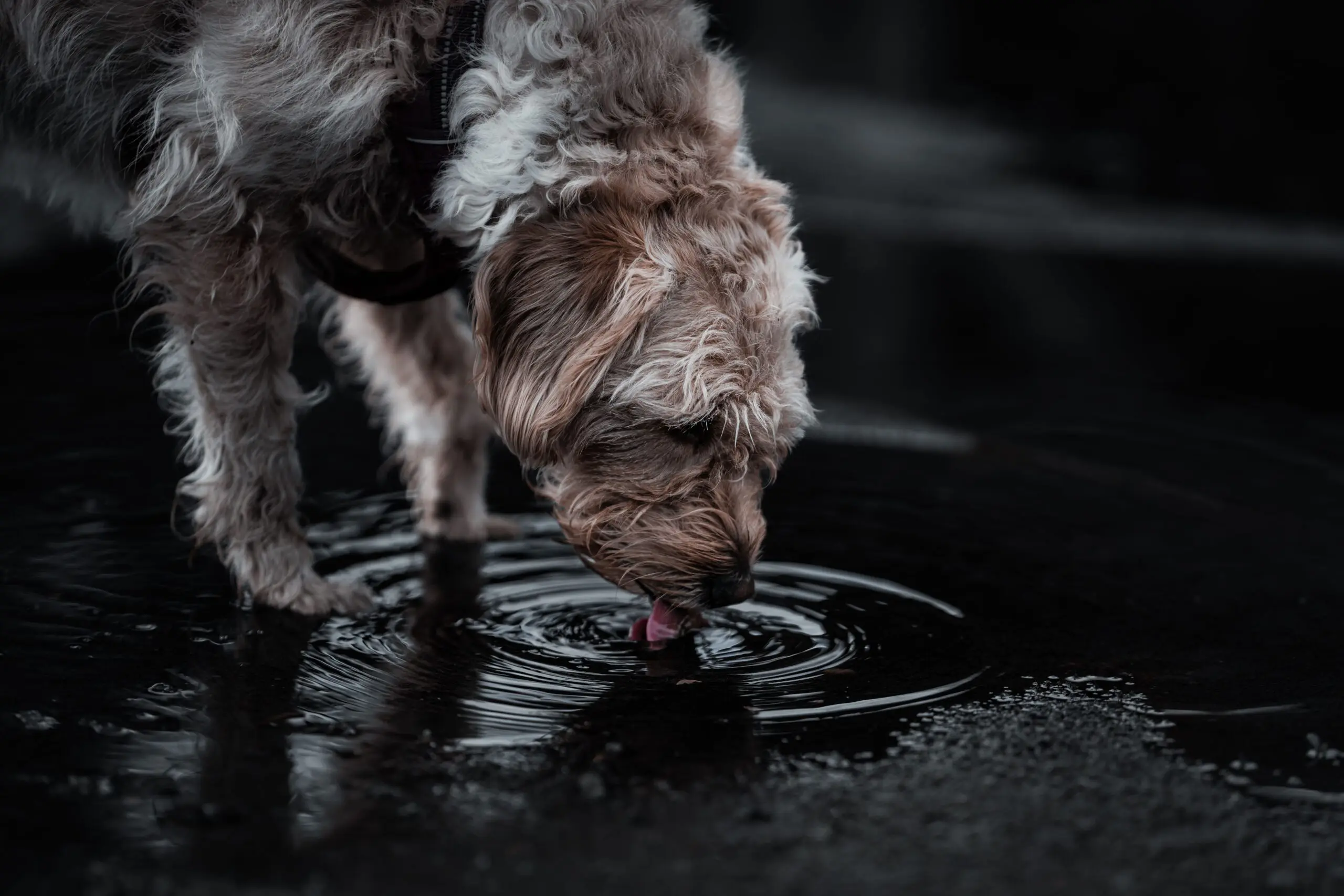
Hydration is equally important. A healthy dog drinks water regularly, and their gums are moist and pink. Good hydration supports the functioning of all organs, regulates body temperature, and facilitates digestion. Light-colored urine is usually a sign that your dog is getting enough fluids. In hot weather, after exercise or in older dogs, the need for water may be greater, so fresh and clean water should always be available.
Digestion is also an important indicator of good health. Regular bowel movements and the absence of frequent vomiting or diarrhea indicate that food is being digested properly. If your dog suddenly loses its appetite, starts vomiting after eating or drinks too much water, this may be a signal of a health problem. Monitoring eating habits is an easy but very effective way to monitor your pet’s condition.
• Pink and healthy gums: an important sign of internal health
A dog’s gums are one of the quickest ways to check their general health. In a healthy dog, they should be moist, smooth and have an even pink color. This indicates good blood circulation and proper hydration of the body. An easy at-home test is to gently press the gum with your finger – the color should return in about one to two seconds. This simple method helps to quickly determine whether blood circulation is normal and is often used by veterinarians.
The condition of the gums is also closely related to oral health. Healthy gums usually mean a lower risk of infections, inflammation and dental diseases. Poor oral hygiene can lead to tartar buildup, painful inflammation and bad breath, which over time also affect other organs, including the heart and kidneys. Therefore, regular tooth brushing, the use of appropriate dental treats and preventive veterinary examinations are important parts of dog care.
There are several warning signs that should not be ignored. Pale, whitish or bright red gums can be a signal of illness, anemia, infection or a circulatory problem. Excessive drooling, bleeding and strong bad breath are also reasons to consult a veterinarian. Pink and healthy gums are a clear sign that the dog is well hydrated, vibrant, and in good overall health.
• Clean ears
A dog’s ears are a sensitive area that can quickly show signs of discomfort or a health problem. In a healthy dog, the inside of the ear is clean, pale pink, and without a strong odor. A small amount of earwax is acceptable, but it should not be excessive, dark, or sticky. Both ears usually look similar and the dog does not show irritation when touched. When the ears are healthy, the animal does not scratch them constantly or shake its head without reason.
Regularly checking the ears is an important part of dog care, especially for breeds with floppy or thickly furred ears. In these, moisture and lack of good air circulation can create conditions for the development of infections. After bathing, swimming, or walking in tall grass, it is a good idea to dry the ears and inspect them carefully. Timely cleaning with appropriate products helps prevent inflammation and the accumulation of bacteria or fungi.
There are several warning signs that should not be ignored. Frequent shaking or tilting of the head, excessive scratching, redness, swelling, or a foul odor can all be symptoms of an ear infection. Dark buildup in the ear canal is also often a sign of a problem. If your dog seems sensitive to the touch or is in pain, a veterinary examination is necessary. Clean, healthy ears are a sign that your dog is comfortable and has no underlying inflammation or irritation.
• Strong posture and smooth movements
The way your dog stands and moves reveals a lot about his physical condition. A healthy dog has a stable posture, walks confidently on all fours, and maintains a natural balance in his body. His movements appear smooth and coordinated, with no signs of pain or stiffness. Whether he is running, playing, or simply walking during a walk, he should move freely and calmly. Good physical fitness is a sign of healthy joints, muscles, and bones.
Regular exercise is extremely important for maintaining a dog’s health. Walks, games and physical exercises help to strengthen muscles, maintain a normal weight and improve the functioning of the cardiovascular system. In addition, activity has a positive effect on the animal’s mental state. A dog that moves with desire and energy usually feels good and has a good quality of life.
However, changes in gait or posture can be an early signal of a problem. Limping, stiffness, reluctance to jump or difficulty climbing stairs are often signs of pain, joint problems or injury. Some dogs begin to avoid physical activity or spare one leg when they feel discomfort. If such symptoms persist for more than a day or two, it is important to seek veterinary advice. Easy and free movement indicates that the dog is lively, active and in good physical health.
• Healthy skin
The skin is the largest organ in the dog’s body and plays an important role in its health and comfort. In a healthy dog, it should be soft, elastic and clean, without scales, scabs or unusual formations. The color of the skin varies according to the breed, but there should be no severe redness or irritation. Good skin is neither too dry nor too oily, and the dog does not show constant itching or discomfort.
The condition of the skin is closely related to the diet, hygiene and environment in which the dog lives. A balanced diet, rich in beneficial fats and vitamins, supports the health of the skin and coat. Regular bathing with an appropriate shampoo and good protection against parasites are also important. Fleas, ticks and other parasites can cause irritation, allergies and even infections, so prevention is essential.
Particular attention should be paid to signs such as excessive scratching, licking of certain areas, the appearance of “hot spots” or red areas. These are often related to allergies, parasites or skin diseases. With seasonal changes, some dogs become more sensitive to pollen, dust or humidity, which can also affect their skin. If irritation persists or worsens, it is important to seek veterinary care. Healthy skin is a sign that the dog is comfortable and that his body is functioning properly.
• Stable mood and behavior
A dog’s mental and emotional state is just as important as his physical health. A healthy dog usually has a stable character and reacts calmly to familiar situations. He shows interest in the people around him, communicates willingly and shows predictable behavior in everyday life. A normal sleep pattern, a desire to play and a good response to training and commands are clear signs that the dog feels safe and well.
Social behavior is also an important indicator of good mental state. A dog that is calm and confident usually adapts more easily to new situations and maintains good contact with its owners. It shows curiosity, enjoys attention and does not avoid interaction without reason. Regular walks, games and time spent with family help maintain emotional balance and reduce stress.
However, sudden changes in behavior can be a warning that something is wrong. Aggression, excessive anxiety, isolation or lack of interest in favorite activities are often a signal of discomfort, pain or stress. Sleep disturbances and unusual behavior should also not be ignored. Dogs often express their physical problems through mood swings. Therefore, it is important for the owner to know the normal behavior of their pet and to react in time to unusual changes.
• Normal toilet habits
A dog’s toilet habits are one of the most reliable indicators of its internal health. A healthy dog usually has a regular and predictable bowel movement and urination pattern. Feces should be well-formed, moderately hard, and easy to clean. Their color and consistency may vary slightly depending on the food, but sudden changes are often a sign of a problem. Normal urination without pain, straining, or excessive frequency also indicates good health.
The digestive system plays a key role in a dog’s overall health. When food is properly digested, the body receives the nutrients it needs, and the dog maintains a good weight and energy. A balanced diet, sufficient water intake, and regular exercise support normal bowel function. Monitoring stool can help detect food intolerances, parasites, or infections early.
However, some changes require immediate attention. Diarrhea lasting more than 24 hours, constipation, blood in the stool or urine, and difficulty urinating are serious warning signs. If your dog starts having accidents at home or suddenly changes his habits, this could also be a sign of a health problem. Regular and normal toileting habits indicate that the digestive and excretory systems are working properly and that your dog is in good general health.
Create a weekly routine for your dog’s health check
Establishing a weekly routine for health checks is one of the easiest and most effective ways to keep an eye on your dog’s well-being. Setting aside a specific day and time each week allows you to calmly observe your pet and notice even small changes in his behavior or physical condition. These quick checks don’t take much time, but they can help detect health problems early and prevent more serious complications in the future.
It’s a good idea to create a simple list of things to check each week. For example, you can monitor the condition of your dog’s coat, eyes, ears, skin, and gums, as well as his energy level, appetite, and toileting habits. It’s also helpful to note changes in weight, mood, or behavior. Keeping a short journal will help you track patterns and trends over time. This information can also be extremely valuable to your veterinarian during routine checkups or when a health problem arises.
A regular routine not only improves your dog’s care, but it also strengthens the bond between you and your dog. During these quiet moments, your dog gets used to being handled and cared for, making future checkups and care easier and less stressful. You also begin to understand your dog’s normal behavior better and can more easily recognize when something is wrong.
The most important thing is to continue to spend quality time with your four-legged friend and provide him with love, attention, and proper care. It is this daily commitment and observation that is the foundation of a long, happy, and healthy life for any dog.
Illustrative photo: pexels-karl-byron-568836130-28644273