

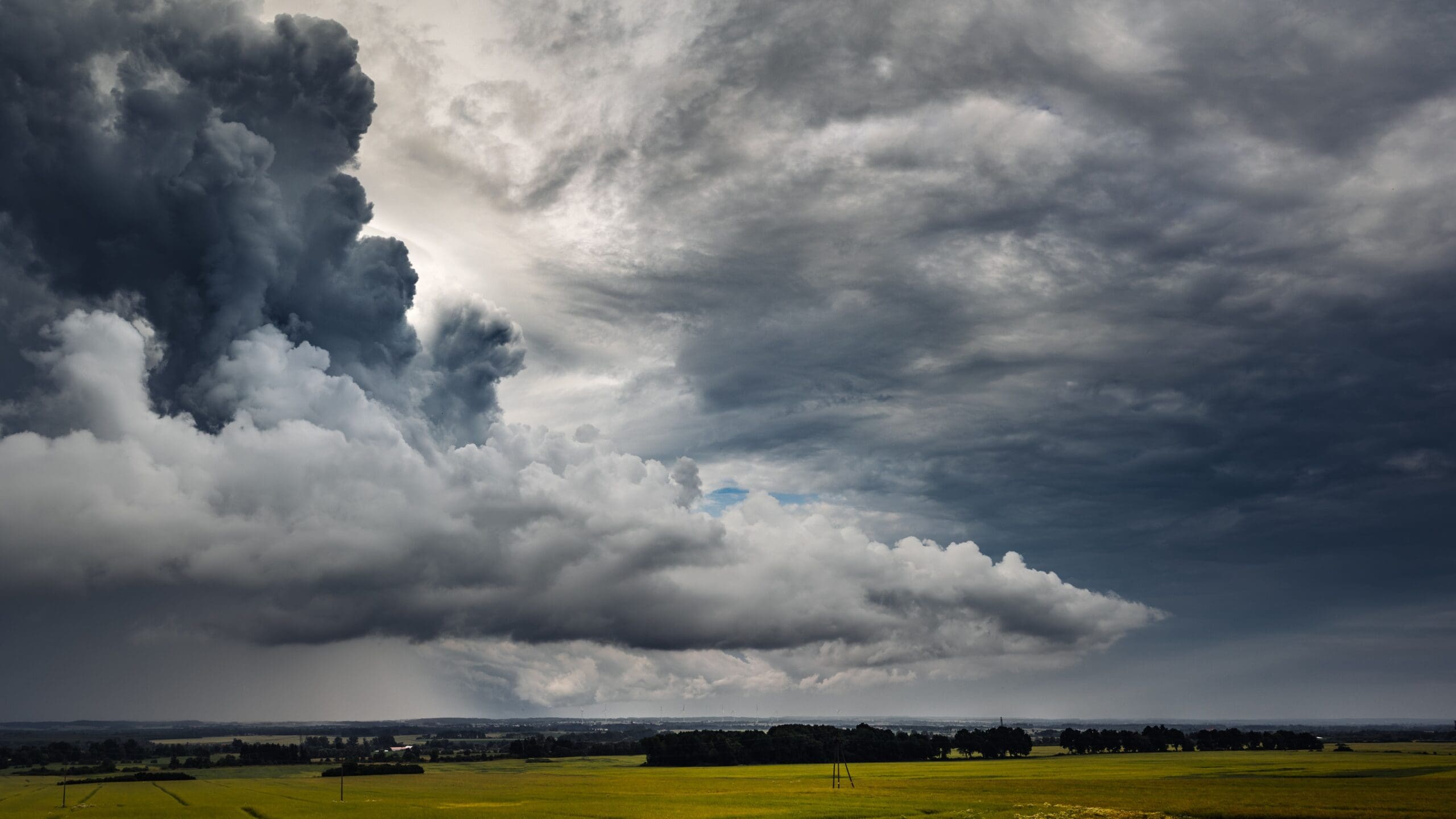
Heatwaves, torrential rain and fierce winter storms have left their mark on people’s psyches and moods in 2026
It’s no wonder – even mild, short-term changes in weather can have enough of an impact on a person to seek therapy, a new study has found.
Fluctuations in temperature and sunlight levels are linked to UK residents seeking mental health care through the National Health Service (NHS), researchers report in the journal Frontiers in Psychiatry.
“Everyday weather conditions have an impact on mental health and when and how people seek help, not just extreme weather events like heatwaves,” said lead researcher Richard Elson, a research fellow at the University of East Anglia in Norwich, England.
For the study, the researchers analysed data from more than 4.6 million mental health contacts between 2014 and 2022 in England – including visits to emergency departments, out-of-hours GP appointments and calls to the NHS 111 advice line.
The team compared the number of calls with weather data for the same period and found that demand increased as temperatures rose to around 18°C. It was also higher on days with fewer hours of sunshine.
Calls to NHS 111 were related to self-harm, alcohol intoxication or sleep problems, while out-of-hours GP appointments involved anxiety, depression, self-harm or sleep disorders. A&E reported more cases of anxiety, depression, self-harm and alcohol intoxication.
Interestingly, rainfall was not associated with a consistent effect on mental health calls, suggesting that specific weather patterns influence mental health more than general weather conditions, the researchers said.
Illustrative photo: pexels-marek-piwnicki-3907296-8738464