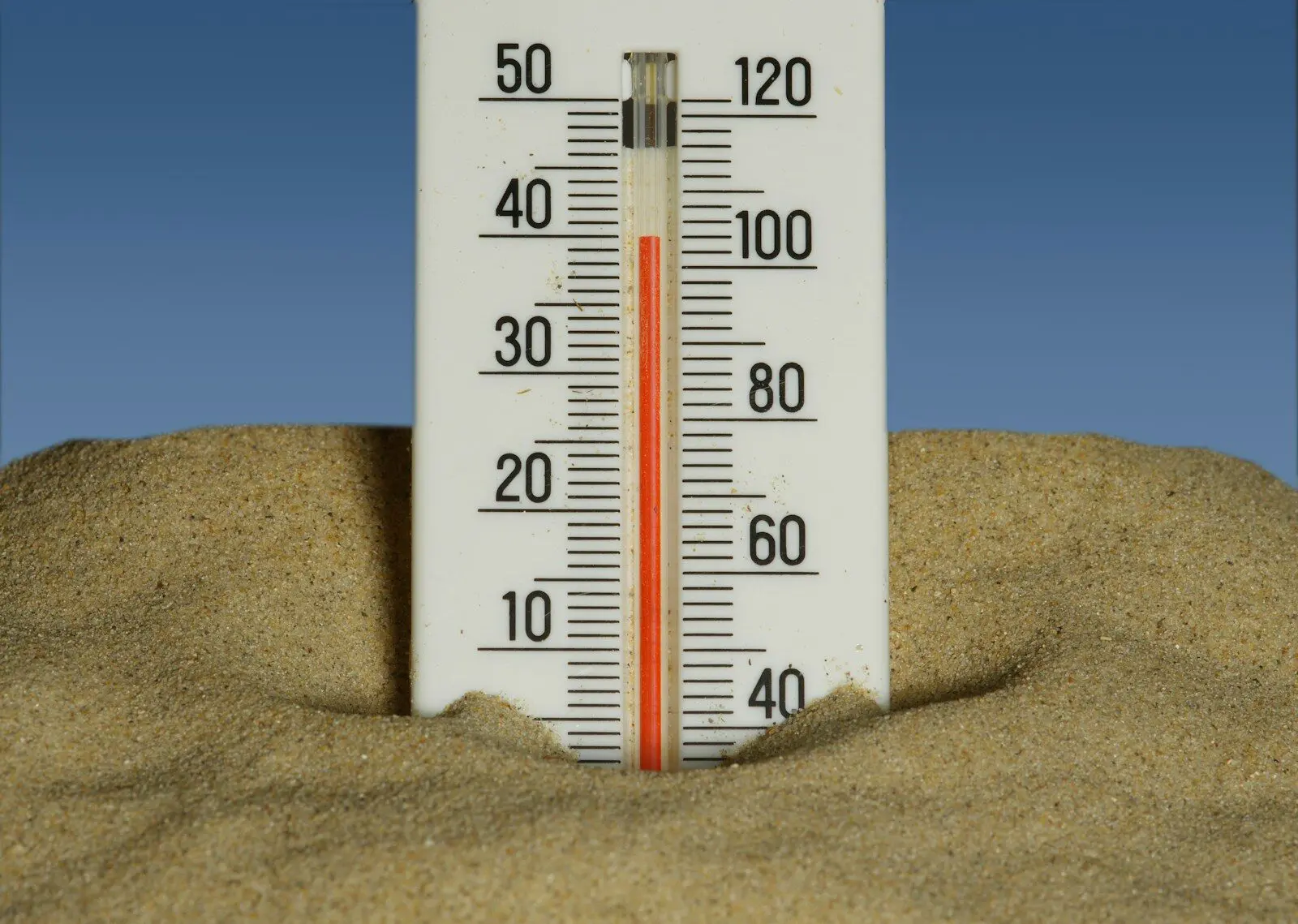
Air conditioners are rare in France, which has been battling record heat and temperatures exceeding 40°C in places for several weeks. But the country uses methods that may surprise at first glance, writes Bloomberg. One of them is the waters of the Seine – they are cooled in special facilities and then pass under the streets and reach public buildings, offices, shopping centers and museums.
The operator of this network is Fraicheur de Paris, part of Engie, which says that this cooling method has been known for a long time – there is data on cooling buildings with running water since Ancient Egypt and Rome. It is both environmentally friendly and saves energy (by 50%), and today’s heat shows that it is also effective.
Central cooling is also starting to be used in other European cities, including Zurich, and globally – in Singapore and Chicago, writes Bloomberg. In Greece, authorities are considering restoring the operation of a historic aqueduct in Athens, the BBC also reported.
The main idea behind the cooling systems is to cool the water to at least 4°C and circulate it in a closed system. When it warms up, it is returned to the cooling facilities. The method began to be used partially in Paris in the 1970s and is becoming increasingly popular in the French capital. One of the challenges is to find a place for the cooling installations, as well as to build the network of pipes.
In addition to water, chalk is also helping to cool French cities, the BBC also writes. The British agency points out that a cheap and simple method of stopping the heat in the home is to grind chalk into powder. It is mixed with water and applied to the glass. The coating lets in light but reflects heat, and science really has evidence that this method works.
White paint generally reflects light, while dark paint absorbs it, and the calcium carbonate in chalk not only reflects light but is also very resistant to solar radiation. The use of chalk is considered safe for health and the environment, although there are warnings about possible negative reactions if inhaled.
Chalk in this form is often used in France when renovating shops – shop windows are smeared with the mixture, allowing enough light to work, but not allowing what is happening inside to be seen. Gardeners also smear the windows of their greenhouses in the hottest weather.
Chalked windows can also be seen in schools in France, which traditionally do not have air conditioning. However, headteachers say the measure is partial and call for greater efforts related to roofs that repel heat.
In the UK, a similar method is also used, but smearing the windows with whipped yogurt, the BBC adds.
There are other methods of adapting to heat waves – city parks, lots of fountains, urban corridors under trees or awnings (first tested in the Spanish city of Seville), as well as white-painted roofs and concrete surfaces, traffic restrictions, and others. They are effective because heat dissipates more slowly in the urban environment, which is the greatest threat to people. Paradoxically, these measures are more often seen in large cities in the north, while smaller cities in the south, which are also more often affected by heat waves, do not always have the resources to implement them. There they usually rely on air conditioning running at maximum.
The heat is excellent news for some retailers. In the UK, Currys recorded end of June a 2,758% year-on-year increase in sales of fans and other cooling products over the long weekend in May. John Lewis Partnership reported an 800% increase, and sales of children’s pools increased by 700% compared to the previous week. British appliance retailer AO World announced similar sales increases.
Illustrative photo: pexels-alireza-kaviani-535828-1374448

![[Press Release] Groundbreaking Date for the Coeur d’Alene Idaho Temple](https://i1.wp.com/newsroom.churchofjesuschrist.org/media/960x720/CoeurdAlene--Idaho-Temple-.jpeg?resize=1,1&ssl=1 "[Press Release] Groundbreaking Date for the Coeur d’Alene Idaho Temple")