
Five years after Kabul fell, deportation diplomacy collides with Europe’s human-rights commitments
Five years after the Taliban returned to power in Afghanistan, European governments are widening practical contacts with the country’s de facto authorities without offering formal recognition. The distinction remains legally and diplomatically important. Yet negotiations over deportations, consular services and migration are creating a relationship whose consequences extend well beyond technical administration.
The Taliban entered Kabul on 15 August 2021 as the former Afghan government collapsed and international forces withdrew. Since then, women and girls have been progressively excluded from secondary and higher education, much of the workforce and large areas of public life. Independent journalism and civil society have also contracted under pressure from arrests, censorship and increasingly restrictive decrees.
Europe’s original response combined humanitarian assistance with diplomatic isolation and demands for inclusive government, human rights and safe access for aid agencies. That approach has not disappeared. However, migration politics and the practical difficulties of returning Afghan nationals have begun to pull European policy in another direction.
Technical talks acquire political weight
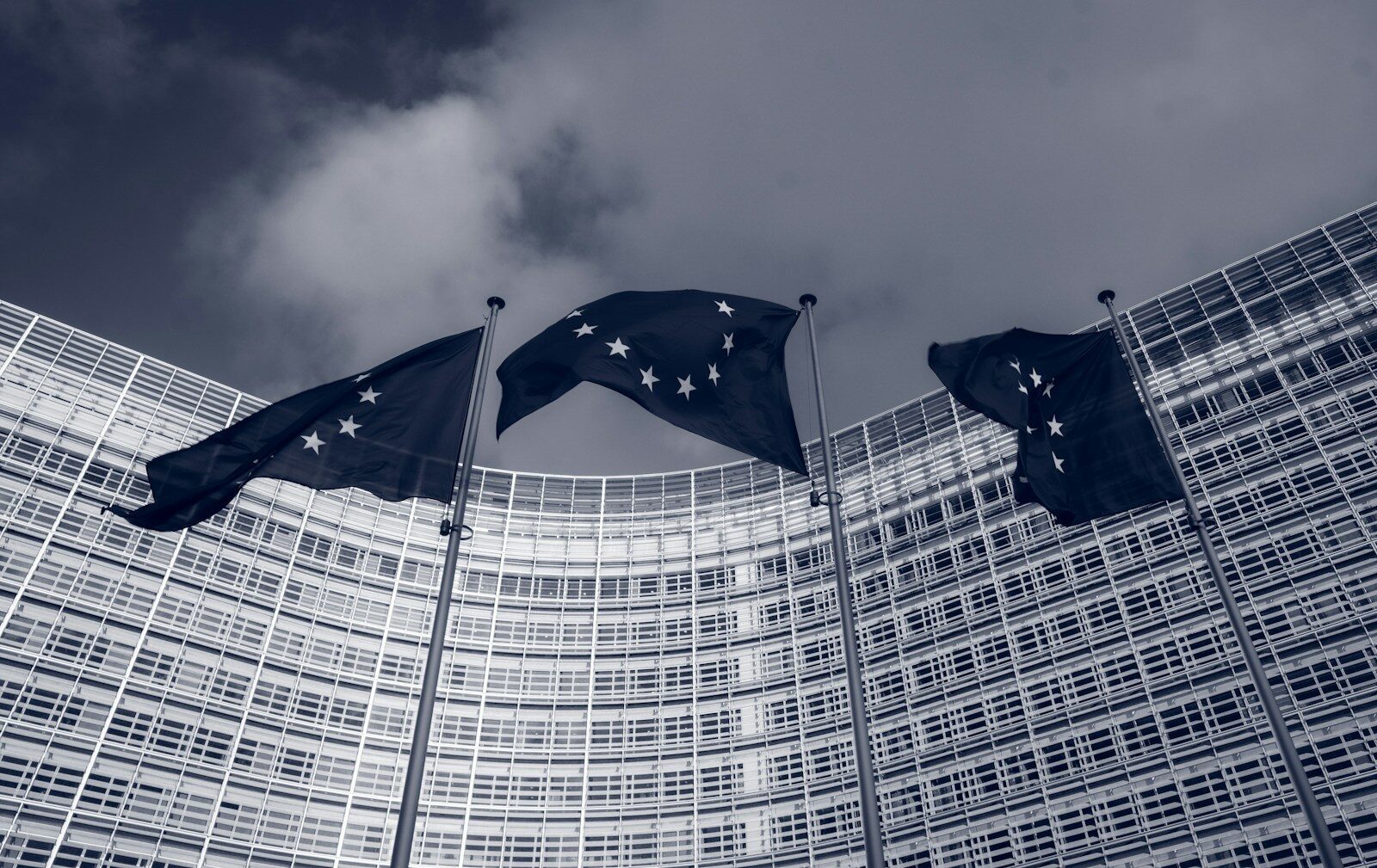
In June, European Commission officials and representatives of 15 EU member states met a Taliban delegation in Brussels to discuss deportations and consular cooperation. Officials described the encounter as technical and said it did not amount to recognition.
That distinction is genuine: governments routinely communicate with authorities they do not recognise, particularly over humanitarian access, security or the identification of nationals. Nevertheless, earlier European Times reporting on the Brussels talks documented concern among Afghan and European civil-society organisations that repeated administrative contact could produce normalisation without a corresponding improvement in rights.
Germany illustrates how rapidly a limited channel can become operational policy. Berlin has conducted several deportation flights to Afghanistan and has held direct discussions with representatives of the de facto authorities about flight capacity and landing arrangements.
A charter flight on 28 July carried 31 people from Germany to Afghanistan. Although the government said most had serious criminal convictions, one person had not been convicted of an offence. In its official briefing the following day, the Interior Ministry said the Länder could place people without criminal convictions on such flights, while maintaining that convicted offenders and people considered security threats remained the priority.
The case matters because it suggests that returns initially justified through exceptional public-safety arguments may gradually reach a broader group. It also raises questions about who monitors returnees after arrival, what assurances are obtained from the Taliban and whether those assurances can be independently verified.
Rights conditions remain severe
The expansion of contacts has not been matched by significant concessions from the Taliban on women’s rights. In a June briefing to the UN Security Council, the United Nations estimated that 3.8 million Afghan girls between seven and 18 were outside school, including more than 2.6 million adolescents. Approximately 250,000 additional girls are being permanently excluded from secondary education pathways each year.
The same United Nations assessment said 21.9 million people, around 45 per cent of Afghanistan’s population, require humanitarian assistance in 2026. Restrictions on female aid workers have made it harder to reach women and children, while the loss of prospective teachers and health professionals threatens services for an entire generation.
These conditions complicate any suggestion that Afghanistan has become an ordinary destination for enforced returns. The principle of non-refoulement prohibits states from sending a person to a place where they face a real risk of persecution, torture or other serious harm. That duty applies regardless of political pressure to increase deportations.
The Court of Justice of the European Union reinforced the protection standard in 2024. It found that the cumulative discriminatory measures imposed on Afghan women constitute persecution and ruled that national authorities may consider gender and nationality alone when assessing an Afghan woman’s claim for refugee status.
The judgment does not automatically prevent every return of an Afghan man. Authorities must still examine individual circumstances, including political activity, work for the former government, journalism, minority identity, links to international organisations or perceived opposition to Taliban rule. A credible return policy therefore depends on rigorous case-by-case assessment rather than broad assumptions that certain categories of people will be safe.
Engagement needs visible safeguards
Diplomatic isolation has not persuaded the Taliban to reverse its central policies, and refusing all contact would carry its own costs. Humanitarian agencies need access, families require consular services and European governments have legitimate responsibilities concerning people convicted of serious crimes.
The more important question is whether engagement remains governed by clear public conditions. European institutions and national governments should disclose the scope of technical agreements, preserve independent scrutiny of removal decisions and establish credible monitoring of what happens after a return. Engagement should also include Afghan women, rights defenders and diaspora organisations rather than treating them as observers of negotiations conducted about their country.
Europe must also prevent migration cooperation from becoming the dominant measure of its Afghanistan policy. Assistance for education, women-led organisations, independent media and human-rights documentation remains essential, particularly as humanitarian funding falls short of need.
Five years after the change of power in Kabul, the Taliban has gained diplomatic access without substantially changing the system it governs. European contact may be unavoidable, but administrative momentum must not be mistaken for evidence that Afghanistan is safer or more rights-respecting. The credibility of Europe’s approach will depend on whether every practical negotiation remains tied to protection, accountability and the voices of Afghans most affected by Taliban rule.