A planned Brussels meeting on Afghan deportations has sharpened concern over rights, recognition and Europe’s duty not to return people to danger.
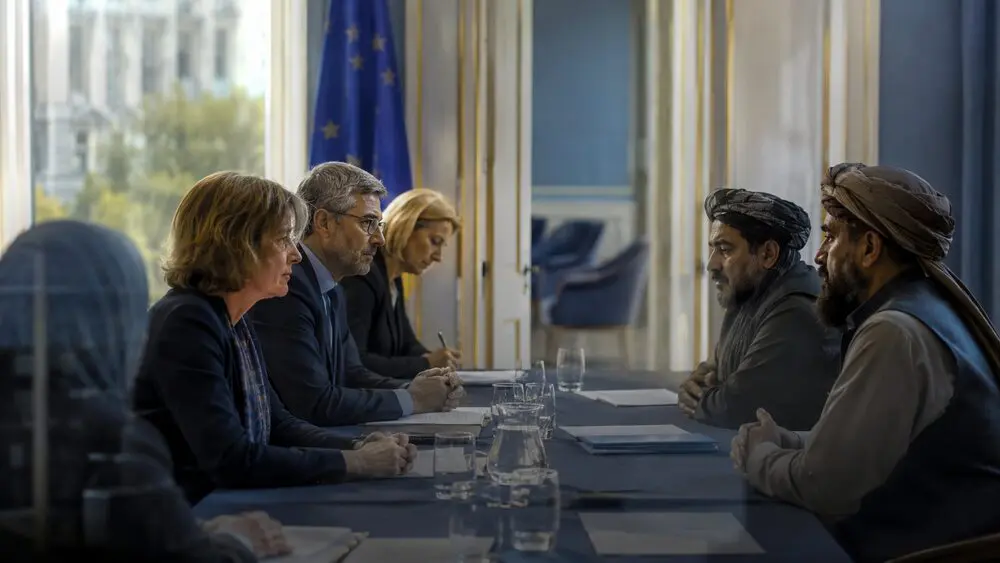
The European Union is facing a growing human-rights backlash over a planned technical meeting in Brussels with Taliban representatives to discuss migration returns, a step critics say risks weakening Europe’s own stance on non-recognition, women’s rights and protection from forced return to persecution.
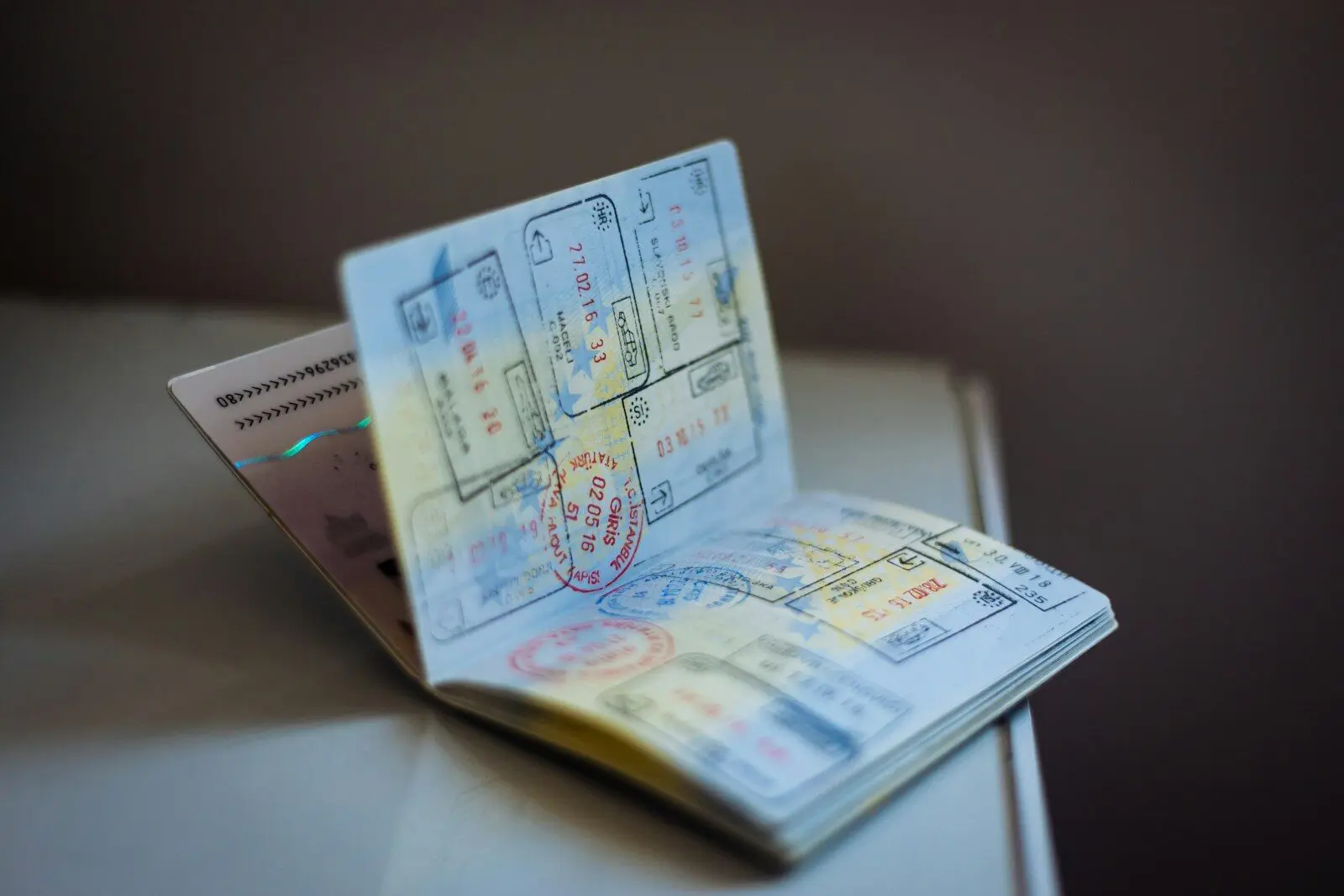
Belgium has granted tightly restricted one-day visas to a Taliban delegation expected to attend talks with EU officials in Brussels, according to reporting on the Belgian visa decision. The meeting is being described by European officials as technical rather than political, focused on Afghan nationals without legal residence in Europe, especially those considered security risks or convicted of serious crimes.
That distinction has not calmed rights groups, Afghan campaigners or some members of the European Parliament. Their concern is that even a narrow migration discussion gives the Taliban a level of institutional access in Brussels while Afghanistan’s de facto authorities continue to exclude women and girls from much of public life and face international scrutiny over alleged crimes against humanity.
A migration file becomes a credibility test
The controversy comes as European governments are hardening their returns policies after years of political pressure over migration, asylum backlogs and security cases. Several member states have argued that the EU needs practical channels to return Afghan citizens who have no right to remain, including those convicted of serious offences.
But Afghanistan is not an ordinary return destination. Since the Taliban returned to power in August 2021, the country has seen sweeping restrictions on women’s education, employment, movement and participation in public life. International monitors have also documented arbitrary detention, reprisals against former officials and civil society figures, and a wider collapse in independent safeguards.
For the EU, the legal question is not only whether a person has a valid claim to stay. It is also whether deportation would expose that person to persecution, torture or other serious harm. The principle of non-refoulement, embedded in international refugee and human-rights law, prohibits returns to such risks.
That is why the planned meeting has become more than a procedural dispute. It cuts directly into the EU’s claim to treat migration policy, external action and human rights as parts of the same legal order.
Rights groups warn against normalisation
In late May, the International Federation for Human Rights joined dozens of Afghan and international organisations in an open letter opposing Taliban engagement in Brussels. The signatories warned that official contact on European soil could be read as implicit normalisation, especially while senior Taliban figures remain under international legal pressure and EU sanctions apply to individuals linked to serious abuses.
The EU position is that contact with Afghanistan’s de facto authorities does not amount to recognition. Diplomats often maintain limited channels with authorities they do not formally recognise, particularly where humanitarian access, consular cases or security risks are involved.
Yet the symbolism is unusually charged. Afghan women’s groups have repeatedly warned that international engagement can become a substitute for accountability if it is not tied to measurable improvements in rights. Earlier European Times coverage of UN warnings highlighted the fear that normalising Taliban rule would deepen the abandonment felt by Afghan women and girls.
The planned Brussels talks therefore place the EU between two pressures: the domestic political demand for tougher returns, and the external legal and moral obligation not to make vulnerable people instruments of migration management.
The risk of widening returns
Supporters of engagement argue that the talks are limited to people who pose a serious public-order or security threat. That argument carries political force in member states where violent offences by rejected asylum seekers have shaped public debate.
But rights advocates fear that a narrow channel could quickly become a broader mechanism. Once administrative cooperation with the Taliban exists, they argue, it may be used not only for convicted offenders but also for wider groups of Afghan men and families whose asylum claims fail or whose legal status lapses.
Such an expansion would be difficult to monitor. Independent oversight inside Afghanistan is severely constrained, and returnees may face questioning, detention or pressure after arrival. For people associated with the former Afghan government, international forces, women’s rights work, journalism, minority communities or secular civil society, the danger may be especially acute.
This is where Europe’s returns debate collides with its protection obligations. A credible system must be able to remove people who have no right to stay, but it must also assess individual risk seriously and refuse returns where danger is real. The harder political mood in Europe does not suspend that duty.
What Brussels does next matters
The EU can still draw clear lines. It can insist that any contact with Taliban representatives remains strictly operational, transparent to democratic institutions and detached from diplomatic recognition. It can require case-by-case human-rights assessments before any return. It can also strengthen support for Afghan civil society, women-led organisations and independent monitoring instead of allowing migration talks to dominate the relationship.
For Brussels, the immediate meeting may be technical. For Afghan refugees, campaigners and women watching from inside and outside Afghanistan, it is a signal. The question is whether Europe can manage legitimate security concerns without lending credibility to a regime built on exclusion.
If the EU cannot answer that convincingly, the cost will not be measured only in deportation numbers. It will be measured in the credibility of a European rights policy that claims to protect human dignity precisely when politics makes that hardest.