
Courts, security concerns and climate pressure competed with a crowded cultural and sporting calendar from 10 to 15 August
Europe’s five-day news cycle brought consequential decisions on civil rights and state power, continuing insecurity linked to Russia’s war against Ukraine, and fresh evidence of modest economic growth. Extreme heat again disrupted daily life, while film festivals and continental championships offered a more celebratory, though still politically contested, picture of European public life.
Politics: rights and accountability
France ended the week with a landmark constitutional decision. On 14 August, the Constitutional Council upheld legislation establishing a right to assisted dying while clarifying safeguards for pharmacists, certain private institutions and adults under legal protection. The Council’s ruling settles the central constitutional dispute, but access to palliative care, regional inequalities and oversight will determine how the law works in practice.
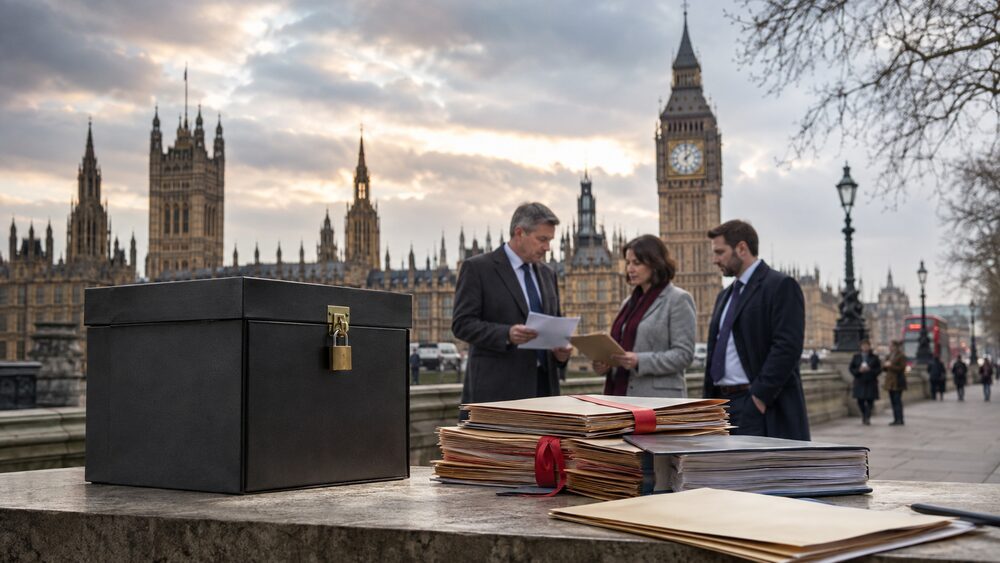
In Britain, Nigel Farage returned to the House of Commons after winning the Clacton by-election. His victory also reactivated a parliamentary standards investigation into whether a £5 million gift was properly registered. The episode underlined the distinction between electoral endorsement and the separate duty of Parliament to enforce its transparency rules.
Germany’s cabinet, meanwhile, backed an intelligence-law overhaul that would give the BND and domestic intelligence service wider powers against hostile operations. Supporters presented the reform as an answer to espionage, sabotage and cyber threats. Press-freedom advocates warned that stronger surveillance and device-access powers must be matched by effective judicial remedies, source protection and independent oversight.
Poland also disclosed the detention of a suspect accused of preparing an assassination in Warsaw on instructions allegedly connected to Russian intelligence. The allegations have not been established in court, but they added to concern over covert operations and the protection of Ukrainian activists, exiles and other at-risk people on European territory.
War and Europe’s global responsibilities
Russia’s missile and drone attacks on Ukrainian cities kept civilian protection at the centre of the European security debate. Strikes reported during the week killed civilians and workers, while Kyiv continued to press its partners for air-defence equipment. Reports of alleged Russian-linked activity beyond Ukraine reinforced the view that the war’s consequences extend across European infrastructure and internal security.
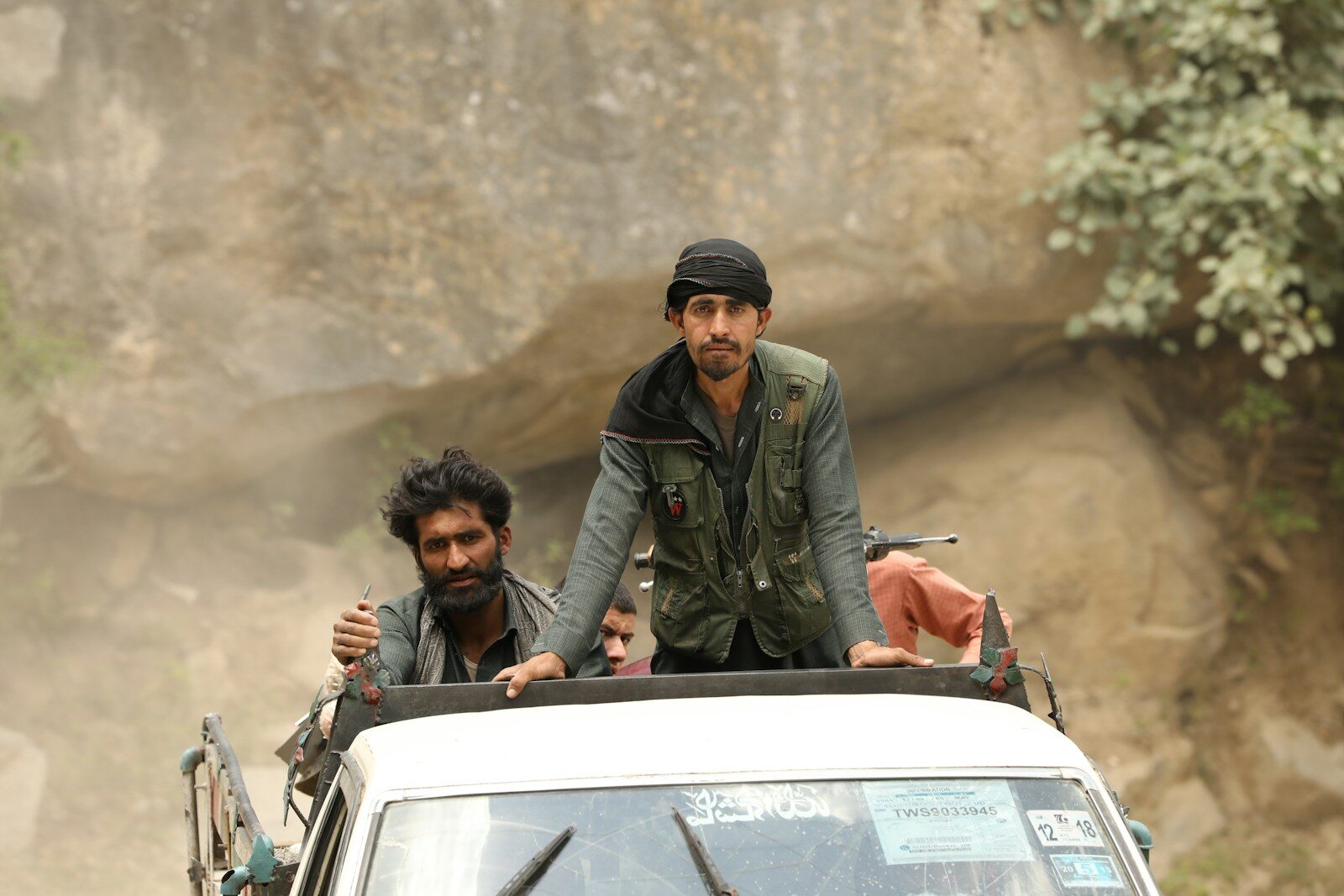
The fifth anniversary of the Taliban’s return to power in Afghanistan posed a different foreign-policy dilemma. Several European governments are expanding technical contacts with Afghanistan’s de facto authorities, particularly over deportations, despite maintaining formal non-recognition. Any engagement must contend with the Taliban’s systematic restrictions on women and girls, as well as Europe’s obligations against returning people to persecution or serious harm.
Economy: growth without comfort
The euro-area economy expanded by 0.4% in the second quarter, according to Eurostat’s updated estimate, while employment rose by 0.1%. The GDP and employment figures indicate greater resilience than at the start of the year, but hardly a broad acceleration. Energy costs, trade uncertainty and weak household confidence continue to weigh unevenly across member states.
New EU packaging requirements became generally applicable on 12 August, including conformity documentation, manufacturer identification and restrictions on certain PFAS chemicals in food-contact packaging. More ambitious recycling, reuse and waste-reduction targets will arrive later, leaving businesses and national authorities with a demanding implementation timetable.
Climate pressures also reached the energy system. Low Danube water levels threatened the operation of Romania’s Cernavodă nuclear plant and constrained hydropower and river transport elsewhere. The episode showed how drought increasingly affects electricity security, industrial logistics and cross-border coordination rather than agriculture alone.
Society: extreme heat becomes structural
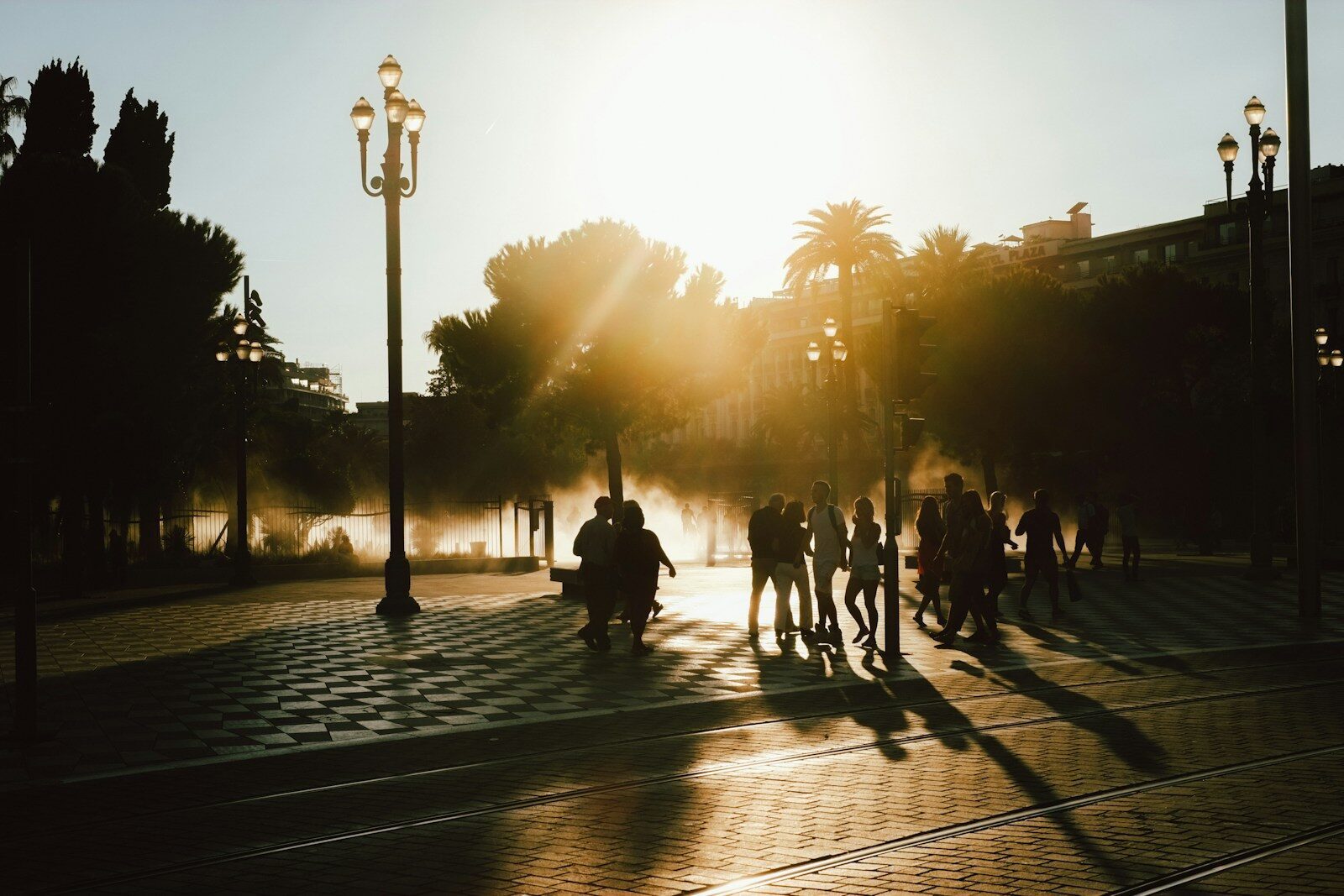
Western Europe endured another severe heat peak on 13 August. Britain recorded its hottest day of 2026, while France registered provisional August temperature records in several locations. Wildfire danger, workplace exposure and risks to older people remained acute even as temperatures began easing in some western areas.
The repeated emergencies are turning adaptation into an immediate social-policy question. Cooling in hospitals, schools and care homes, enforceable protection for outdoor workers and access to shaded public space cannot be treated as optional amenities. Earlier European Times coverage of record heat highlighted the same gap between increasingly predictable danger and uneven local protection.
Culture: Europe’s summer stages
The Locarno Film Festival reached its final day after bringing independent cinema and international filmmakers to Switzerland, while the Salzburg Festival continued its combination of performance, public debate and European reflection. Across the continent, summer festivals remained important meeting places at a time when culture funding, artistic freedom and access are under pressure.
The week also demonstrated how climate disruption is changing cultural life. Outdoor screenings, concerts and historic venues increasingly require heat plans, later opening hours and stronger protection for staff and audiences. Cultural resilience now depends as much on practical adaptation and fair working conditions as on programming.
Sport: competition and contested neutrality
Three major continental competitions overlapped. Birmingham hosted the European Athletics Championships, Paris staged the concluding swimming programme of the European Aquatics Championships, and Zagreb opened the women’s artistic gymnastics Europeans.
The competitions produced elite performances and revived venues associated with recent international events. They also renewed debate over the participation of Russian and Belarusian athletes, including the use of neutral status and, in some disciplines, transitional arrangements for national symbols. Ukrainian athletes have argued that neutrality cannot be separated from the destruction of sporting facilities and the deaths of competitors during the war.
What to watch next week
Ukraine’s parliament is expected to return on 18 August, with senior government appointments and defence funding among the issues likely to command attention. European governments will also continue watching Russian attacks, air-defence requirements and diplomatic contacts for signs of either escalation or meaningful negotiation.
Zagreb will host the men’s European Artistic Gymnastics Championships from 19 to 23 August. Beyond the medals, participation rules and the treatment of national symbols will remain under scrutiny.
On 21 August, the European Commission is scheduled to publish its flash consumer-confidence estimate for the euro area and EU. The reading should indicate whether stronger second-quarter output is translating into greater household optimism.
The cultural calendar remains busy as Groningen’s Noorderzon festival begins on 20 August, combining theatre, dance, literature and installations. Weather services will simultaneously remain important sources of public information as heat and wildfire risks persist in parts of southern and central Europe.
The week’s developments point to a continent managing several time horizons at once: immediate security threats, long-term climate adaptation, institutional accountability and the slower work of sustaining shared cultural and civic life.