
In March, long-time Russian Foreign Minister Sergei Lavrov turned 76, a respectable age for an active politician.
The childhood of the future diplomat, who was born on March 21, 1950 in Moscow, is shrouded in some mystery, with his official biography being quite sparse on details.
It is believed that his father was an Armenian from Tbilisi named Viktor Kalantarov (or Kalantaryan). Lavrov himself has confirmed his Armenian roots on the paternal side, but chose to take the surname of his mother, Valeria Borisovna Lavrova. She was an employee of the USSR Ministry of Foreign Trade, which probably influenced his later interest in international relations.
He graduated from school No. 2 in Noginsk (Moscow Region) with a silver medal. According to the recollections of his teachers, he was an excellent student with a strong interest in physics and history. From an early age, he was actively involved in sports, especially football, and showed a talent for writing poetry – a hobby that he maintained as an adult.
At the age of 17, he was accepted into the prestigious Moscow State Institute of International Relations (MGIMO) – a major training ground for personnel, where he mastered the basics of the classical Soviet diplomatic school, graduating in 1972. During his studies, he learned Sinhala (the official language of Sri Lanka), English and French.
Despite his high position, Lavrov rarely shares personal memories of his early years, preferring to adhere to his professional image as the “eternal diplomat”.
Sergey Lavrov’s diplomatic career spans over five decades, making him one of the longest-serving and most recognizable diplomats in the world.
• He began his career as an attaché at the USSR Embassy in Sri Lanka (1972–1976).
• From 1976 to 1981) he worked in the Department of International Economic Organizations of the USSR Foreign Ministry.
• Lavrov spent the 1980s almost entirely at the UN. Between 1981 and 1988) he served as First Secretary, Adviser and Senior Adviser at the Permanent Mission of the USSR to the UN in New York.
• Deputy Minister from 1992 to 1994): After the collapse of the USSR, he held the post of Deputy Minister of Foreign Affairs of the Russian Federation, responsible for international organizations and the CIS. Permanent Representative to the UN (1994–2004): For 10 years, Lavrov was the voice of Russia in the UN Security Council, where he built a reputation as an extremely tough and experienced negotiator.
• On March 9, 2004, he was appointed Minister of Foreign Affairs by Putin.
One of Lavrov’s most influential mentors is Yevgeny Primakov, a former Foreign Minister and Prime Minister of Russia, the architect of the concept of a multipolar world, which Lavrov actively pursues to this day.
Although Lavrov began his career at the end of the era of the USSR’s Foreign Minister Andrei Gromyko (known as “Mr. No”), he is often compared to him for his toughness and longevity in diplomacy. Lavrov has repeatedly expressed respect for Gromyko’s professionalism and school.
Lavrov often emphasizes that he also learns from Russian President Vladimir Putin, especially in terms of strategic self-control and statesmanship.
The personal life of Russian Foreign Minister Sergei Lavrov has been the subject of intense interest, especially after the international sanctions imposed on him and his relatives.
Lavrov has been married to Maria Alexandrovna Lavrova since 1971. She is a philologist by education and accompanied her husband during his long-term diplomatic mission to the United Nations in New York, where she worked in the organization’s library.
His only official child is Ekaterina Vinokurova (born Lavrova in 1982). She was born and raised in the United States, graduated from Columbia University in New York and later specialized in economics in London. She is married to Russian businessman Alexander Vinokurov.
There are also allegations about Lavrov’s personal life about a “second family”, which became popular after investigations by the team of the late Russian dissident Alexei Navalny and international media:
They point to Svetlana Polyakova as his long-time companion in life, with whom he travels on official visits. Polina Kovaleva (Polyakova), the daughter of Svetlana Polyakova, is called in the media “Lavrov’s stepdaughter”. She fell under British sanctions in 2022 due to her ties to the minister.
Lavrov is known for his hobbies, which are often mentioned in his official biographies. A passionate football fan (a fan of Spartak Moscow) and one of the founders of the People’s Football League in Russia.
He regularly practices mountain rafting (rafting) in Siberia. He writes poetry and plays the guitar – he is the author of the MGIMO anthem.
Lavrov is the second longest-serving foreign minister in Russian history after Andrei Gromyko.
He led Russian diplomacy during the conflicts in Georgia (2008), Syria (since 2015) and the war in Ukraine.
He is known for his direct, often sharp language and defense of the concept of a multipolar world, opposing Western influence.
Even in the context of current events in 2026, Lavrov continues to be a key figure in presenting Russian positions to the international community, including through regular annual press conferences and meetings with European leaders.
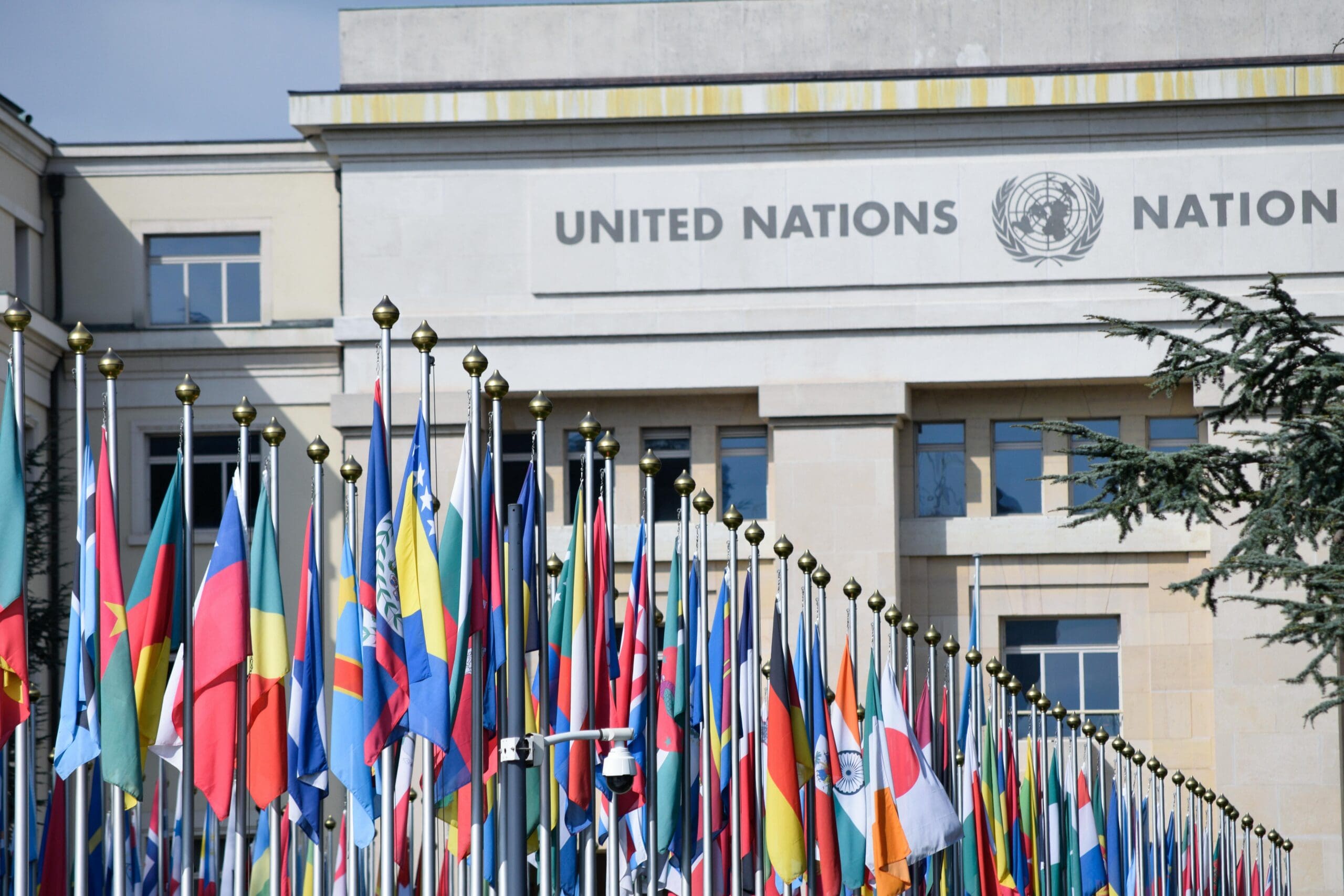
Illustrative photo: pexels-xabioregi-16459372