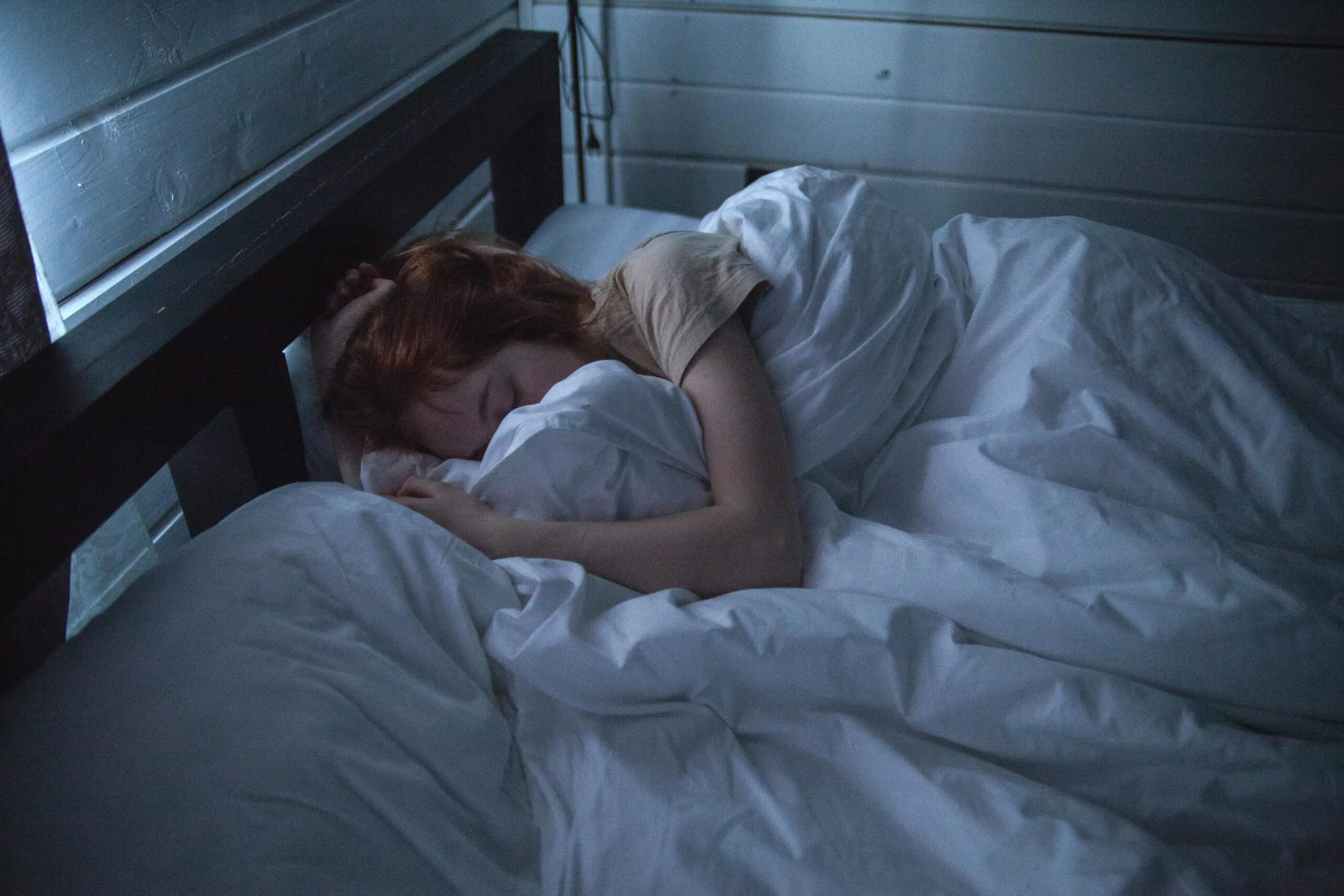
Night sleep has a much greater impact on health than it seems at first glance. Doctors warn that both lack and excess sleep can lead to serious, and sometimes fatal, consequences. How much sleep is considered harmful, RBC-Ukraine reports, citing a doctor’s statement on the popular Spanish radio program Hoy por Hoy.
Sleep expert Juan Antonio Madrid said that the optimal amount of sleep for most adults is between 6.5 and 8.5 hours a night.
What are the dangers of lack of sleep and oversleeping?
The specialist emphasizes: if a person sleeps less than six hours, negative consequences for the body appear in the medium term. At the same time, excessive sleep also carries risks.
“Few people know, but too much sleep is associated with various diseases,” Madrid notes.
Studies have shown that sleeping 10-12 hours a day may be associated with an increased risk of premature death, metabolic disorders and even Alzheimer’s disease.
The link between sleep and dementia
Data from the Framingham Heart Study suggests that increased sleep duration may be an early sign of dementia.
People who slept more than nine hours a night had a higher risk of developing the disease.
Dr Rosa Sancho from Alzheimer’s Research UK explains that changes in sleep patterns can occur long before the first symptoms of memory loss and this could help doctors identify risks early.
It’s not just the quantity that matters, but also the quality.
Experts stress that it’s not just the length of sleep that matters, but also its quality and regularity. Short micro-wakes during the night can reduce the restorative effect of rest, even if a person sleeps enough hours.
A consistent sleep schedule has a greater impact on longevity than the total number of hours in bed. Daytime sleep cannot fully compensate for nighttime rest.
Illustrative Photo by Ivan Oboleninov : https://www.pexels.com/photo/woman-sleeping-935777/