

What started as a simple joy of making cookies for family and friends quickly flourished in brown sugar, a brand that embodies both its love for desserts and its trip to independence.
“I liked to eat candies,” said Eman Fareed, a retired mother and official UN News While cooking in his kitchen.
“At the beginning, I cooked cookies just for my family. They loved the taste, and soon, my friends started to encourage me to sell them. It was then that I realized that I could transform it into something bigger. ”
Part of a basic model
It is among the beneficiaries of Kaaf Humaninian, a non -profit organization (NGO) launched in Bahrain in 2021 which has become a basic model for the realization of Sustainable development objectives (ODD) by empowering individuals and communities for autonomy.
Kaaf has shown the fruit of her efforts, including spices and cookies made by Ms. Fareed and others during an exhibition during the fifth Investment Forum in Entrepreneurship (Weif), held in Manama, Bahrain, in 2024 and facilitated by the industrial development of the United Nations (Unido), in Bahrain.
As for the forum, the members approved the Manama declaration, calling on the international community to exploit the power of entrepreneurship and innovation to reach the SDGs, strongly emphasizing the inclusion of productive families.
What is a “productive family”?
Saud Al Mahmood, specialist in public relations at Kaaf Humanitarian, said that productive families are those “who are based on the skills of their members to support family and improve their standard of living”.
“Helping productive families is very important because it is not only a question of helping individuals; It is a question of helping the whole family, “he said, noting that Kaaf offers families training and the tools they need to improve their products and compete on the market.
“Our work addresses many SDGs, including those related to water, food and refuge, as well as to improve the economy. We are always encouraged to collaborate with the United Nations and other organizations. ”
After cooking his cookies, Eman Fareed wraps them in an attractive box marked with his business name.
A passion for spices
Noora Khalid Musaifer, another beneficiary of Kaaf, said that she was inspired by her mother’s love for cooking and roasting coffee.
After getting married, she started mixing Bahrainite spices and, over time, developed to include different spice notes, Daqoos pepper and coffee roasting, all made with high quality ingredients and under the Mallawal brand.
It treats spices – washing, drying, roasting and packaging – at home. While she was initially sold them under her home brand, participation in exhibitions and opportunities emerging through the COVID 19 The forty pandemic helped his business prosper.
From investment to the brand
A key factor in the successful course of Ms. Fareed and Ms. Musaifer was the support of Kaaf Humanitarian, who provided them financial support, packaging equipment and brand assistance.
Ms. Musaifer is the family support of her family, having made spices for 20 years and joined Kaaf a decade ago.
“Their financial support allowed me to get high quality spices,” she said, adding that some of the spices she gets from the market or Bahrainian companies who import them from India and are very expensive.
Noora Khalid Musaifer received training to become a prosperous entrepreneur.
Social media as a marketing tool
Fareed said Kaaf Humanitaire had been a pillar of her success in the cooking field.
“The technology is crucial in today’s world, and they have helped me to adapt.”
She started her business after her retirement in 2014, but initially missed advice on how to develop it.
“When I joined Humanitarian Kaaf, they trained me in business management, social skills and digital marketing,” she said, stressing that the NGO has provided it financial and moral support. “They taught me to take professional photos of my products and maximize online sales.”
Reinforcement of women’s capacities
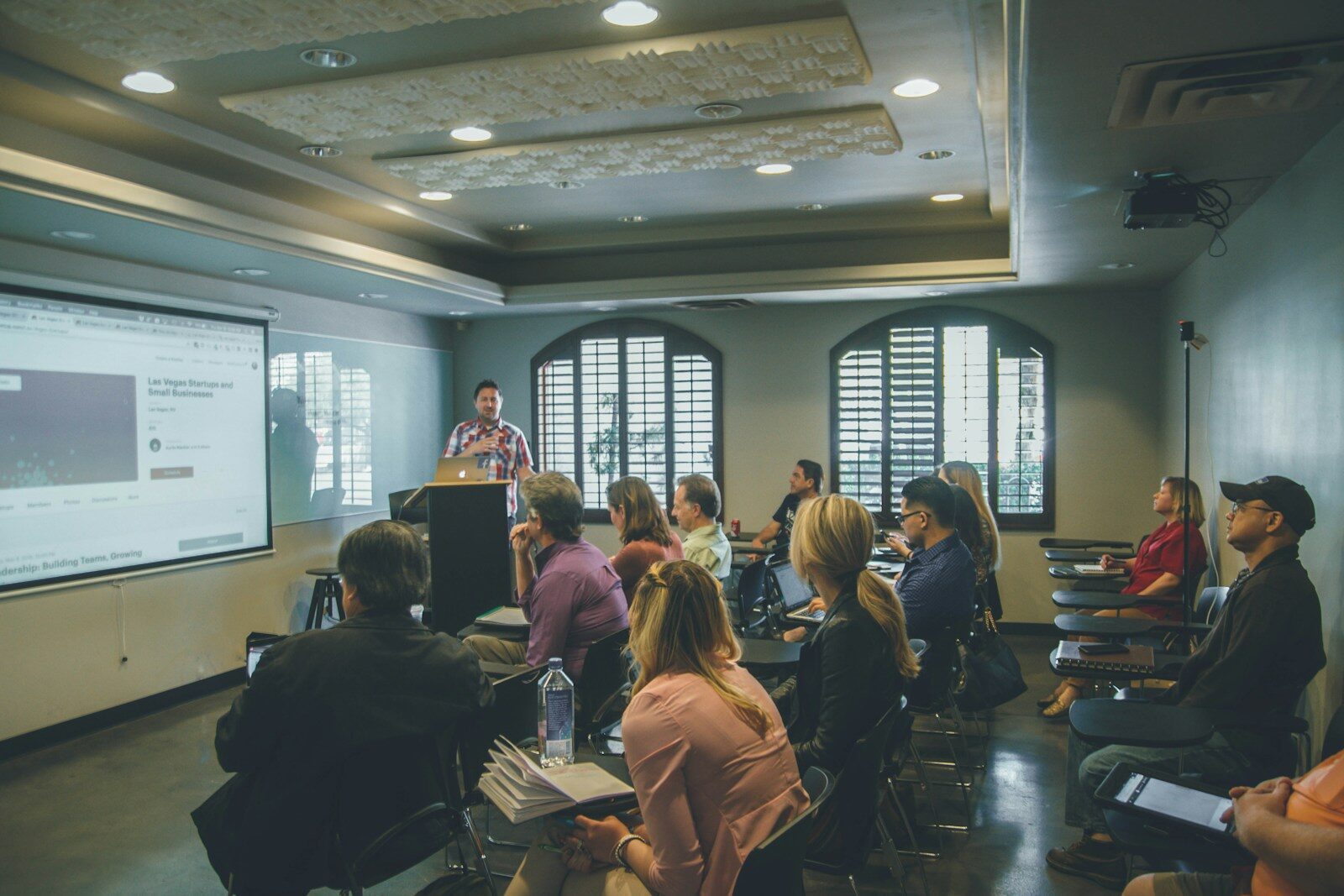
One afternoon, 15 women entrepreneurs gathered for a training session at Kaaf’s humanitarian house in the suburbs of Manama, each bringing their products to share with others, presenting their mastery of skills.
“They are housewives. Some worked, but now they work at home, “said Budoor Buhijji, a university speaker who directed the session.
“They manage small entrepreneurial projects: food, candies, spices, chocolates, pens and craft products that they can sell in their communities. And they hope to extend beyond their community and to become international. ”
Challenges and dreams for the future
As a female entrepreneur in a commercial environment traditionally dominated by men, Ms. Musaifer considers her success as a testimony to the strength of Bahrainites women, able to balance the responsibilities of work and the family.
Kaaf Humanitarian authorizes women thanks to training in entrepreneurship and offers them opportunities to market and sell their products.
“I dream of opening a shop under my name, where I can continue to make hand-made spices and traditional foods,” she said, “she said
For Ms. Fareed, being a businesswoman in Bahrain is already a success because business has traditionally been dominated by men.
“In my family, women were not encouraged to work alongside men or to manage businesses, but over time, my father saw my strength and supported me,” she said. “Now I feel confident and empowered.”
For the future, she dreams of extending her business to a factory.
“I want to build something big, have my own team and leave an inheritance for my children. One day, I will tell them how I became a strong and independent woman. ”
Originally published at Almouwatin.com