

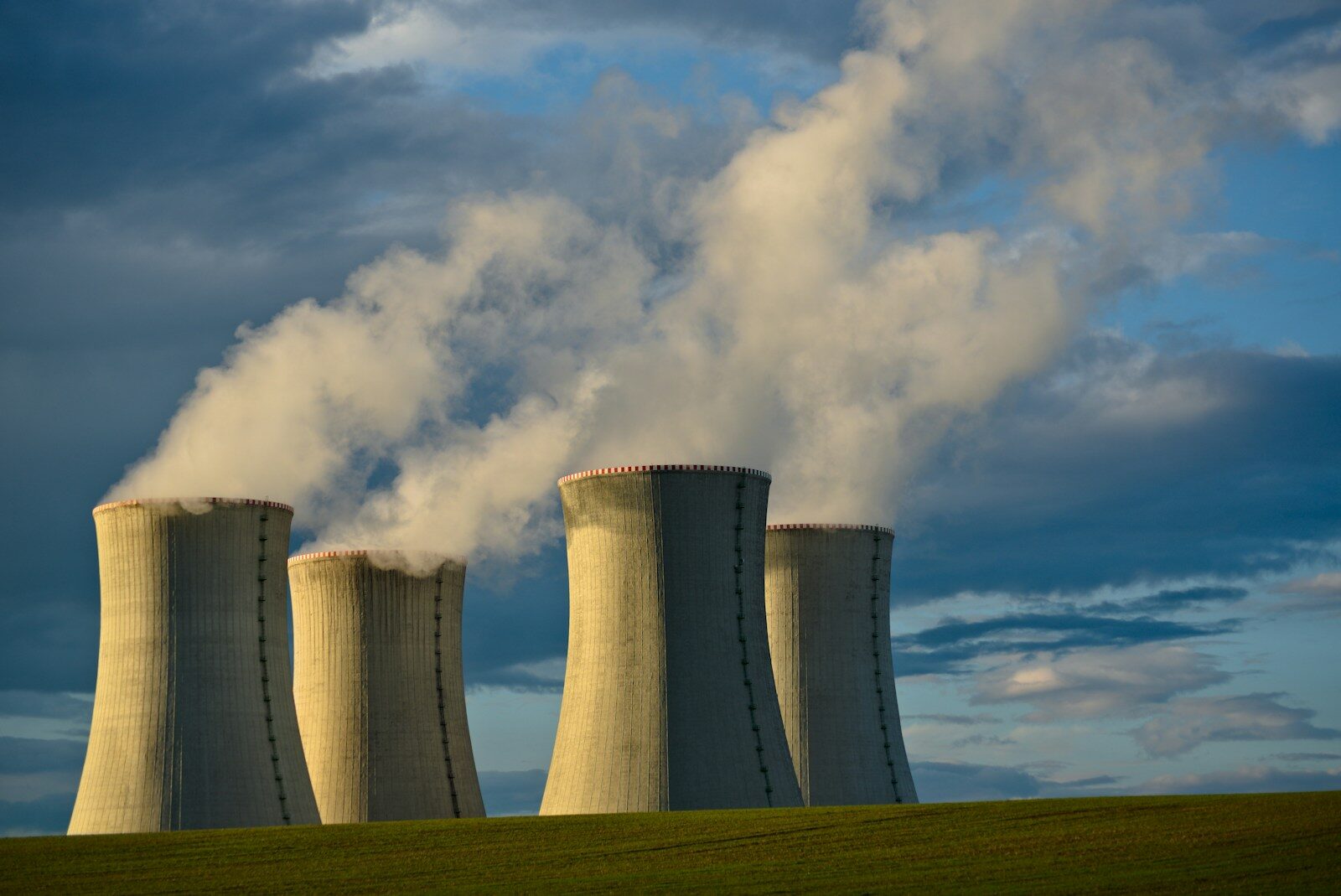
The decision delays Spain’s nuclear phase-out and reopens questions over energy security, waste and transition planning
Spain has authorised both reactors at the Almaraz nuclear power plant to operate until 8 June 2030, replacing closure dates previously set for 2027 and 2028. The plant-specific extension offers the electricity system more low-carbon generation during a period of international energy uncertainty, but it also exposes political divisions over nuclear safety, radioactive waste and the credibility of Spain’s transition timetable.
What the decision changes
The Ministry for the Ecological Transition has renewed the operating authorisation for the two Almaraz reactors in Cáceres until a common date in June 2030.
Under the previous authorisation, Unit I was due to stop operating on 1 November 2027 and Unit II on 31 October 2028. The extension therefore postpones the beginning of Spain’s planned sequence of nuclear closures by more than two years.
The plant’s owners, Iberdrola, Endesa and Naturgy, formally requested the change in October 2025. They argued that Almaraz remained technically capable of operating and continued to make a substantial contribution to the national electricity system.
According to the operator, the two reactors supplied around 7% of Spain’s annual electricity demand in 2025, equivalent to the consumption attributed to approximately four million households. That figure illustrates why the decision has consequences beyond Extremadura, even though the plant’s local economic importance remains particularly pronounced.
Energy security shifts the balance
The government has presented the extension as a limited response to changed energy conditions rather than a repudiation of renewable power. International fuel disruption, higher gas-market risks and uncertainty over the speed at which grids, storage and replacement generation can be deployed have altered the assumptions behind the earlier closure schedule.
Keeping Almaraz online provides continuous low-carbon electricity while Spain expands solar and wind generation. It may also reduce the amount of gas-fired power required when renewable production is low, although the effect on prices will depend on demand, interconnection capacity and wider wholesale-market conditions.
These pressures are not unique to Spain. As The European Times previously reported, energy insecurity has returned nuclear power to the centre of European arguments about industrial competitiveness, imported fossil fuels and strategic autonomy.
That debate cannot be reduced to a choice between nuclear and renewables. Europe’s electricity systems increasingly require several investments at once: renewable generation, stronger networks, storage, demand flexibility and sufficient dependable capacity for periods when weather-dependent output falls.
One plant, not yet a new national calendar
Madrid maintains that the Almaraz decision is exceptional and does not automatically revise the full schedule under which Spain’s remaining reactors are expected to close progressively by 2035.
That distinction matters. Extending one plant after a regulatory assessment is different from replacing the national phase-out strategy. Nevertheless, other operators, business organisations and regional authorities are likely to cite Almaraz when arguing for additional extensions at Ascó, Cofrentes, Vandellós II and Trillo.
The decision has also strained Spain’s coalition government. Sumar has rejected the extension as a departure from the coalition’s environmental commitments, while nuclear supporters contend that the government should go further and reconsider the entire timetable.
A transition plan can be changed when its underlying conditions change. But public trust requires the government to explain which measurable conditions justified the revision, why 2030 was selected and how future requests will be judged. Without clear criteria, an exceptional decision can gradually become policy through repetition rather than transparent debate.
Safety and waste remain central
The extension followed a favourable but conditional assessment by Spain’s Nuclear Safety Council. The regulator concluded that the installation could continue operating to the requested date subject to safety requirements and continuing oversight.
Regulatory approval does not end scrutiny. Almaraz began commercial operation in the early 1980s, making ageing management, maintenance investment, emergency preparedness and worker protection essential throughout the additional operating period.
Environmental organisation Adenex has announced that it intends to challenge the extension in court. Its objections include the effect on renewable deployment and the long-term burden created by spent nuclear fuel.
The government says the extension will not overwhelm Enresa, the public company responsible for radioactive-waste management and decommissioning. It argues that storage and dismantling plans can be adjusted to accommodate the revised date.
That assurance will require detailed, publicly accessible planning. Extending generation also produces additional spent fuel, while postponing one closure may cause more decommissioning projects to overlap later. Costs, storage capacity and responsibility for delays should remain visible to taxpayers and affected communities.
A longer transition for Almaraz
For communities around the plant, the extension protects employment and municipal income in the immediate future. It also gives authorities additional time to develop replacement industries, public services and renewable-energy projects before decommissioning begins.
That time should not be mistaken for a permanent solution. A credible just transition requires investment before major employers close, not emergency assistance after jobs disappear. The new 2030 date provides an opportunity to strengthen economic diversification in the Campo Arañuelo area, but only if national and regional authorities use it deliberately.
Spain has bought additional time for its electricity system and for one nuclear-dependent region. It has not resolved the larger argument about the place of nuclear power in the country’s low-carbon future. The durability of the decision will depend on rigorous safety oversight, transparent waste planning and evidence that the extra years are being used to build a more resilient energy system rather than merely postpone difficult choices.