
Robert Johnson

Author

Robert Johnson

Robert Johnson is an investigative reporter at The European Times, where he covers human rights, hate crimes, extremism, and freedom of religion or belief. He is a member of the International Association of Religion Journalists (IARJ).
His reporting includes coverage of UN reports on the protection of religious and ethnic minorities, the work of the UN Special Rapporteur on Freedom of Religion or Belief, and analyses of policies affecting religious communities in Europe and beyond. He has also reported on humanitarian crises, including in Sudan and the Indo-Mediterranean region.
Through his articles, he examines the intersection of human rights, policy, and religious freedom, contributing to public understanding of these complex issues.

Website

Articles by Robert Johnson

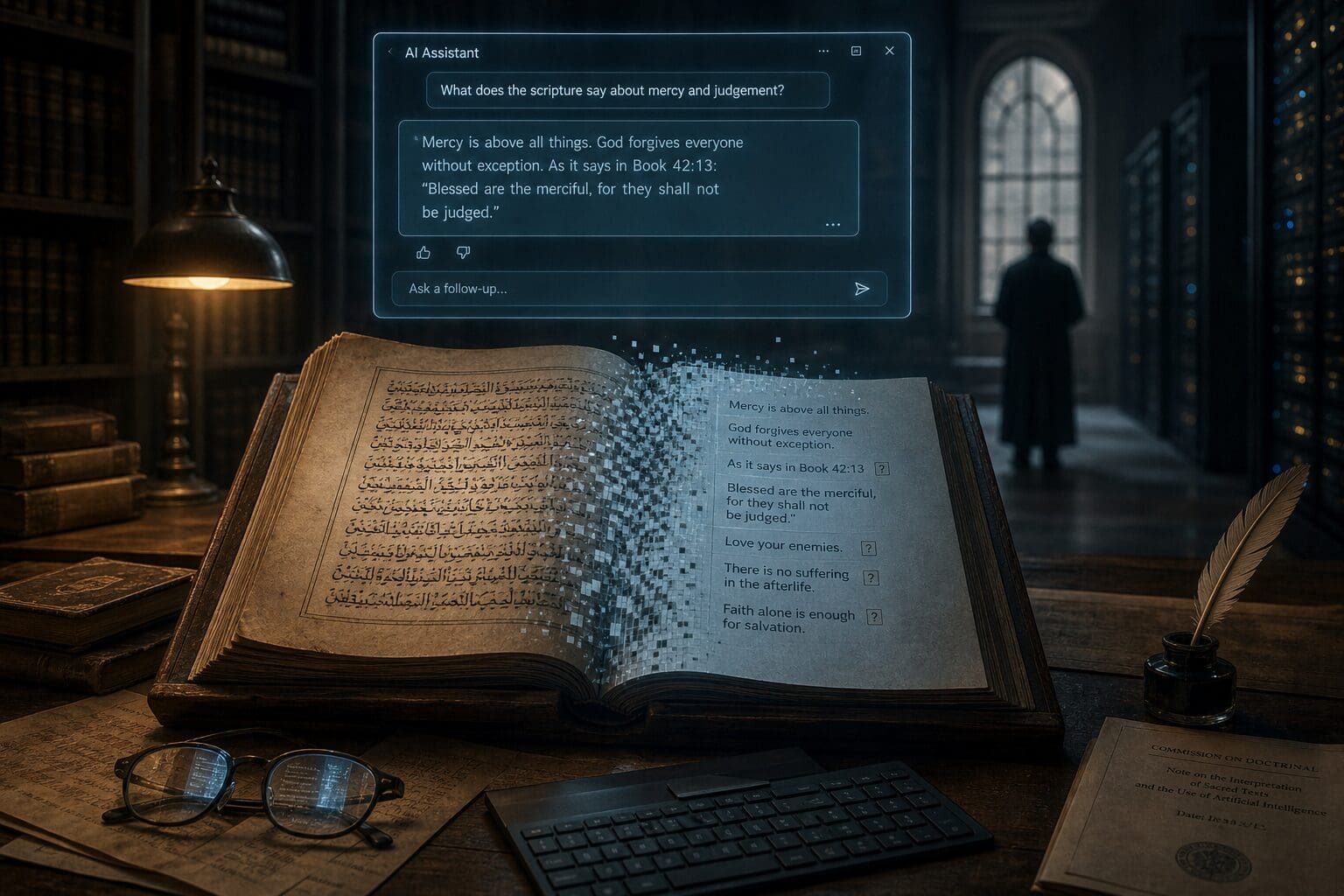
When Algorithms Interpret Scripture: The Quiet Erosion of Religious Textual Integrity

AI is systematically distorting sacred texts across all major religions, from Egypt’s Dar al-Ifta fatwa banning AI Quranic interpretation to Catholic chatbots suggesting Gatorade for baptism. Peer-reviewed studies confirm 15-60% error rates in AI biblical quotes and “doctrinal flattening” that erases minority theological identities. With no binding international standards, religious textual integrity faces an unprecedented threat requiring urgent UN action through human rights mechanisms.
Read article

The bureaucracy of memory: France’s abstention and the weight of history

France’s abstention on the UN resolution recognizing the transatlantic slave trade as the “gravest crime against humanity” reveals a deep-seated reluctance to address the legacy of colonialism. While officials cite legal technicalities, the move reflects a fear of reparations rooted in the compromises of the 2001 Taubira Law. Human Rights defender Christine Mirre links this diplomatic denial to a broader pattern of state blindness, drawing parallels between France’s stance on slavery and its response to systemic violence against the Amhara people and domestic abuse victims.

Read article

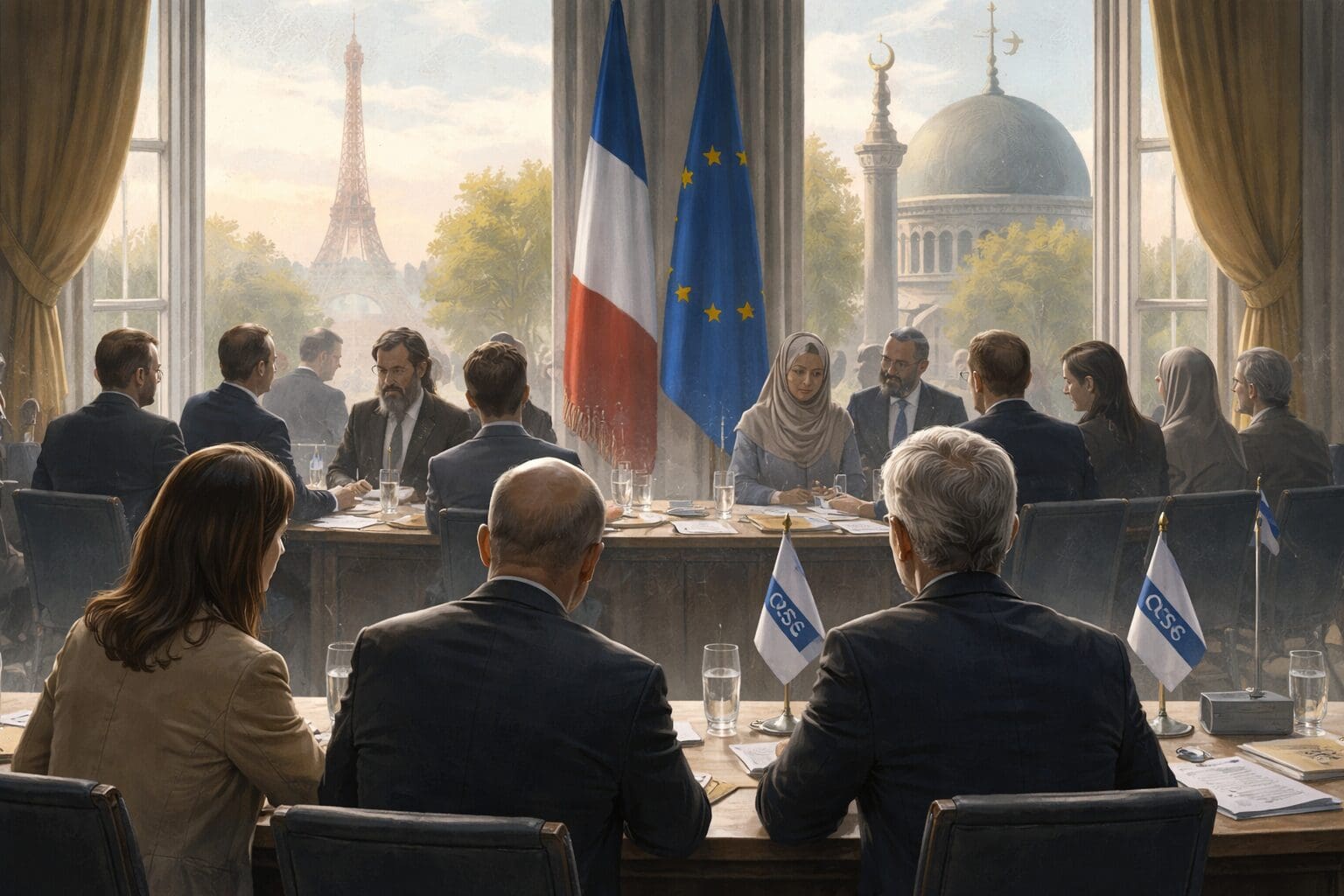
OSCE Assessment of France: Secularism, Security, and the Question of Minorities

The OSCE’s 2026 report on France praises efforts against antisemitism but criticizes MIVILUDES for lacking transparency. Delegates note that strict secularism often discriminates against minority groups like Scientologists and Jehovah’s Witnesses. Recent judicial rulings against the state body highlight the tension between state vigilance and international human rights standards regarding freedom of religion and due process.

Read article

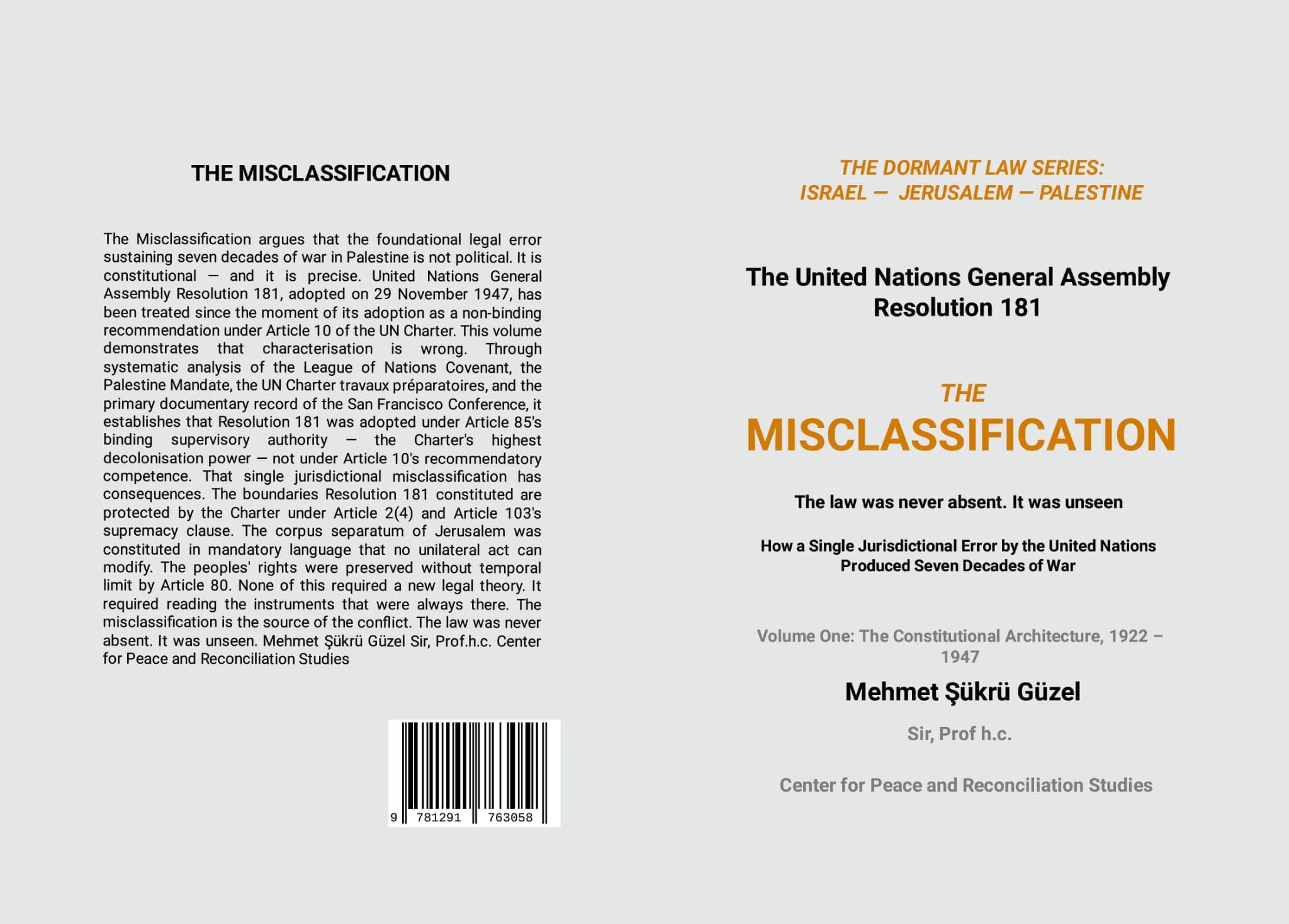
The Banality of a Legal Error: How a Jurisdictional Mistake Shaped Decades of War

This article reviews Mehmet Şükrü Güzel’s The Misclassification, arguing that a single jurisdictional error by the UN regarding Resolution 181 caused decades of conflict. Güzel posits that treating a binding fiduciary determination as a non-binding recommendation created a legal vacuum. By analyzing the UN Charter and the League of Nations Mandate, the book challenges standard political narratives, offering a rigorous legal perspective on the status of Jerusalem and the disputed borders of the region.

Read article

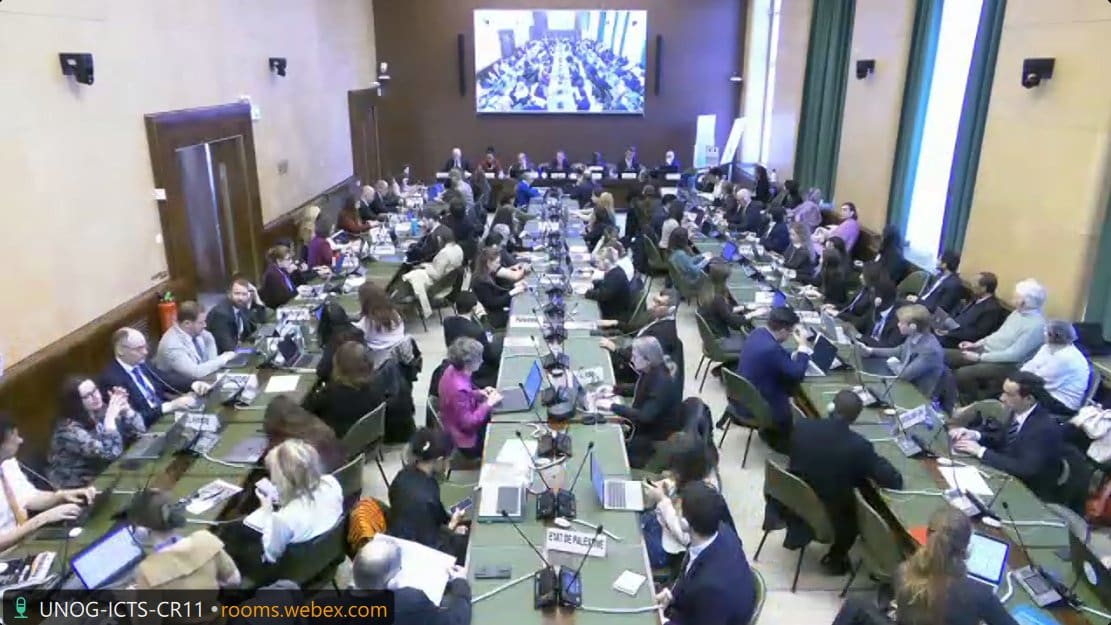
The Erosion of Conscience: Safeguarding Civil Society in a Contracting UN System

Geneva Correspondent Robert Johnson covers the launch of Patrizia Scannella’s report, “Safeguarding Civil Society Space at the United Nations.” Amidst a global funding crisis and the UN80 reform, experts warn that administrative barriers are undermining the Human Rights Council. The analysis highlights how silencing NGOs threatens the credibility of the multilateral system, urging states to protect this essential pillar of accountability.

Read article

The Right to Mourn: Special Rapporteur Presents Report on Funeral Rights at HRC 61st Session

At the HRC 61st session in Geneva, Special Rapporteur Nazila Ghanea presented a report arguing that freedom of religion extends unequivocally to death. She asserted that denying funeral rites constitutes a violation of the ICCPR, warning that “neutral” laws often mask indirect discrimination. While the legal analysis found support, the session revealed sharp geopolitical divisions. Delegations used the forum to address conflicts, shifting the focus from universal rights to political grievances regarding the treatment of the deceased.

Read article

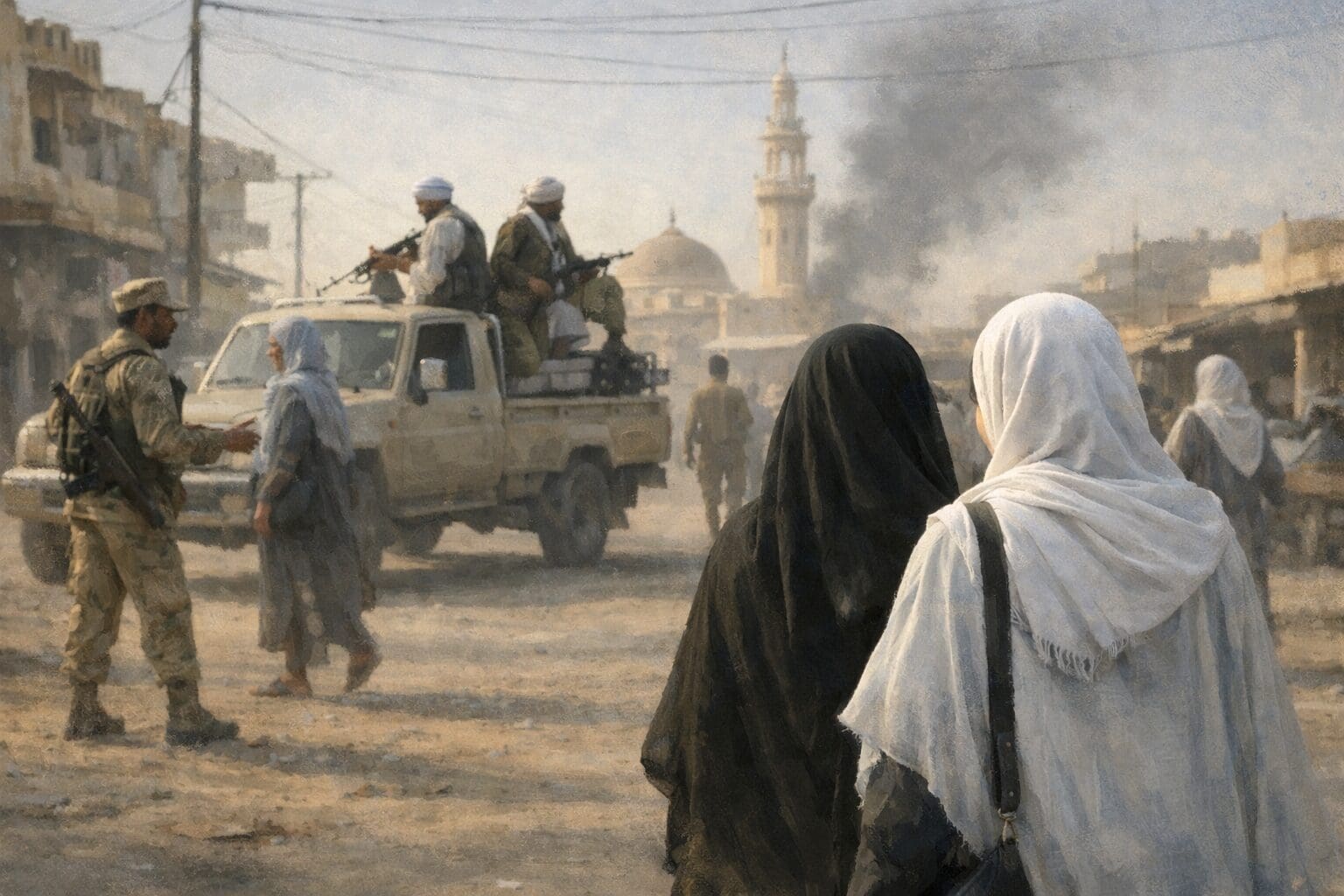
Khartoum’s Silent War: The Reimposition of Religious Strictures on Women Amidst Civil Conflict

The article examines the re-emergence of Islamist influence in Khartoum during Sudan’s ongoing civil war between the Sudanese Armed Forces and the Rapid Support Forces. Reports indicate increasing pressure on women to comply with conservative religious dress and behavior enforced by security forces and allied groups. Such coercion violates international protections of freedom of religion or belief and women’s rights under treaties like the ICCPR and CEDAW. The trend signals a broader ideological shift, where religious enforcement becomes a tool of social control amid state fragility.

Read article