Energy ministers meet in Luxembourg as pressure grows over importer obligations due from 2027
EU energy ministers are meeting in Luxembourg on Friday with methane rules moving from a technical climate file into a politically sensitive argument over supply security, fossil fuel dependence and the credibility of Europe’s climate law.
The formal agenda of the Transport, Telecommunications and Energy Council is already crowded. Ministers are expected to discuss electricity grids, post-2030 energy policy and the impact of Middle East instability on European energy markets. But an additional public-session item on the “impacts of the methane regulation on EU energy security” gives the meeting a sharper edge.
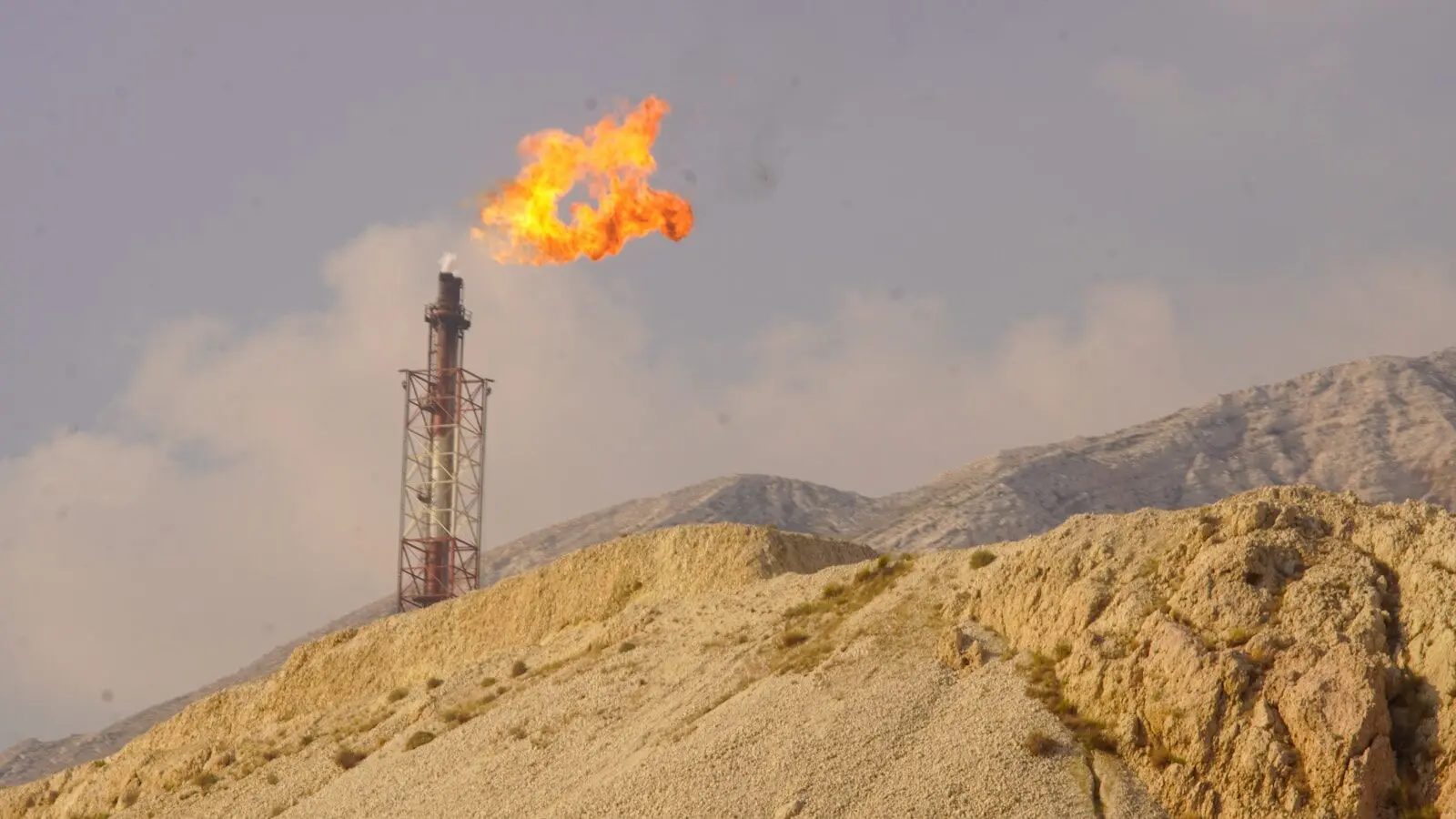
At issue is whether Europe can enforce tighter methane standards on oil, gas and coal imports without creating new uncertainty for companies signing supply contracts. The debate reaches well beyond compliance paperwork. Methane is a powerful greenhouse gas, and the EU has made its regulation a symbol of climate seriousness. Yet several governments and energy groups argue that some importer obligations are arriving before the systems needed to meet them are fully in place.
A climate law meets supply anxiety
The EU’s methane regulation entered into force in August 2024. It is designed to reduce leaks and emissions in the energy sector, including across global supply chains feeding the European market. The European Commission says the rules focus first on measurement, reporting and verification, because methane cannot be reduced effectively unless emissions are properly detected and quantified.
Under the EU Methane Regulation, importers will face phased obligations. From 1 January 2027, they must show that imported crude oil, natural gas or coal was produced under monitoring, reporting and verification standards equivalent to EU rules, or under recognised high-level methane reporting frameworks. Further reporting and intensity requirements follow in 2028 and 2030.
Those dates matter because Europe remains a major fossil fuel importer even as it tries to accelerate renewables, electrification and energy savings. Since Russia’s full-scale invasion of Ukraine, EU policy has tried to do two things at once: replace Russian fossil fuels and avoid locking in a new pattern of long-term dependence on other suppliers. Methane rules sit directly inside that tension.
Industry wants time, campaigners warn against retreat
Energy industry groups have urged governments to seek a revised implementation timeline, arguing that importers could otherwise be exposed to penalties and legal uncertainty without a realistic path to compliance. Their case is that a non-binding Commission recommendation on enforcement would not be enough to protect companies negotiating large contracts across fragmented national enforcement systems.
Climate campaigners take the opposite view. They argue that delaying sanctions would weaken one of the EU’s most practical tools for cutting near-term warming and improving transparency in fossil fuel supply chains. For them, the real problem is not the ambition of the regulation but the slow creation of national penalty regimes and the risk that energy-security language becomes a route back to fossil fuel dependency.
The argument is made more urgent by Europe’s summer energy anxieties. Ministers are also taking stock of price and supply risks linked to the Middle East, including the possible energy consequences of disruption around the Strait of Hormuz. That context gives governments more room to frame methane enforcement as a security question, but it also raises a harder policy question: whether every crisis should lead Europe to soften rules intended to reduce the long-term risks of fossil fuel reliance.
Europe’s credibility is at stake
Brussels has repeatedly presented methane action as part of its wider climate diplomacy. The EU has backed global efforts to cut methane emissions, while also calling in international forums for a transition away from fossil fuels, stronger renewable deployment and higher energy efficiency. The European Times has previously reported on the EU’s push for global climate action, including methane reduction as part of the broader energy transition.
That makes the Luxembourg discussion a credibility moment. If the EU moves too quickly without workable standards, it risks uneven enforcement and legal disputes. If it retreats too far, it risks telling suppliers that climate obligations can be postponed whenever markets tighten.
The most durable answer may lie between those positions: clearer implementing rules, consistent national enforcement and targeted support for compliance, rather than a broad pause that hollows out the regulation. Europe’s energy security is not only about finding enough gas for the next winter. It is also about building a system in which imported energy is cleaner, better measured and less able to undermine the climate commitments the EU asks others to share.
Friday’s meeting will not settle the whole dispute. But it shows how the next phase of European energy policy will be fought: not over whether climate and security matter, but over how far governments are willing to treat them as the same project.