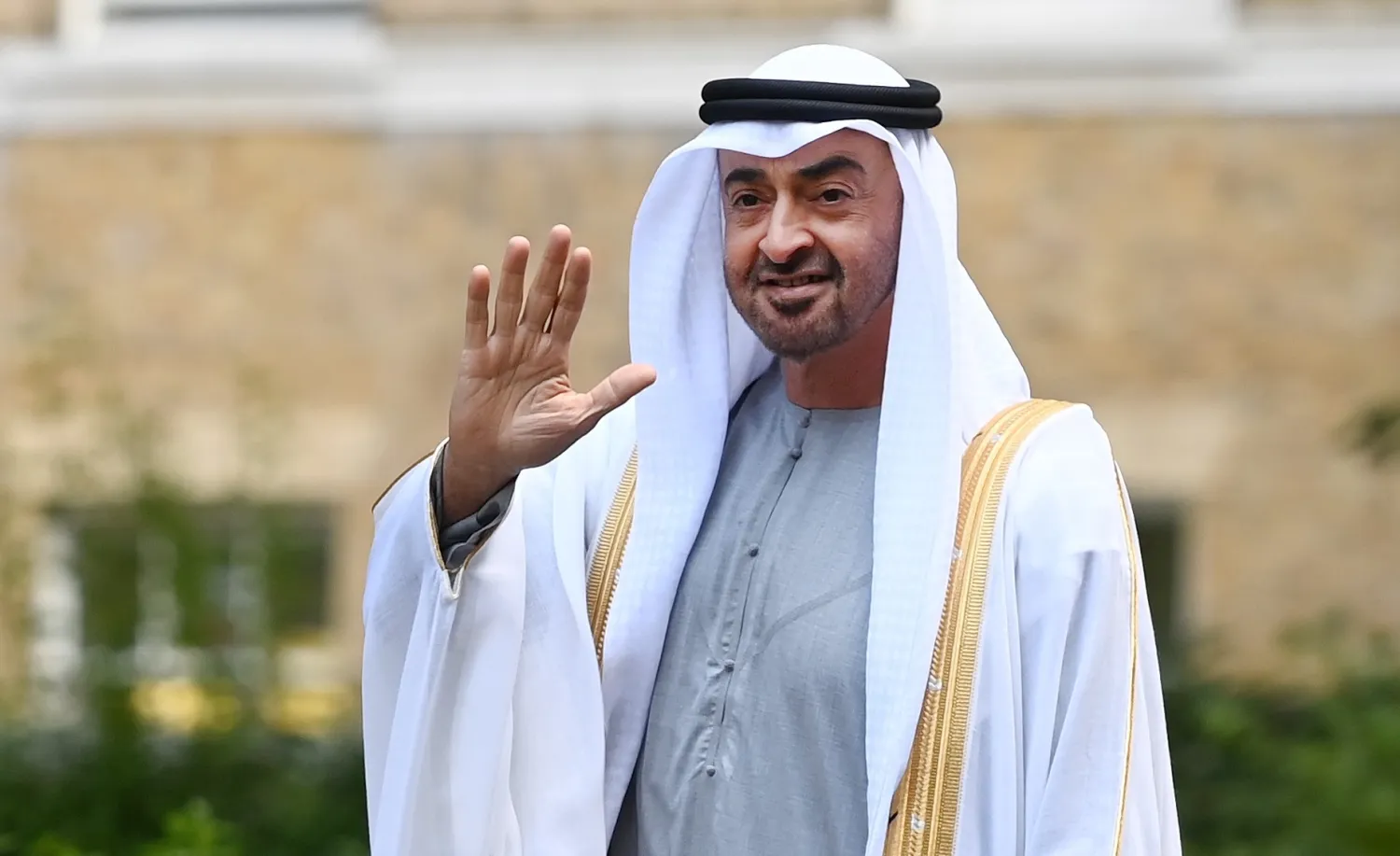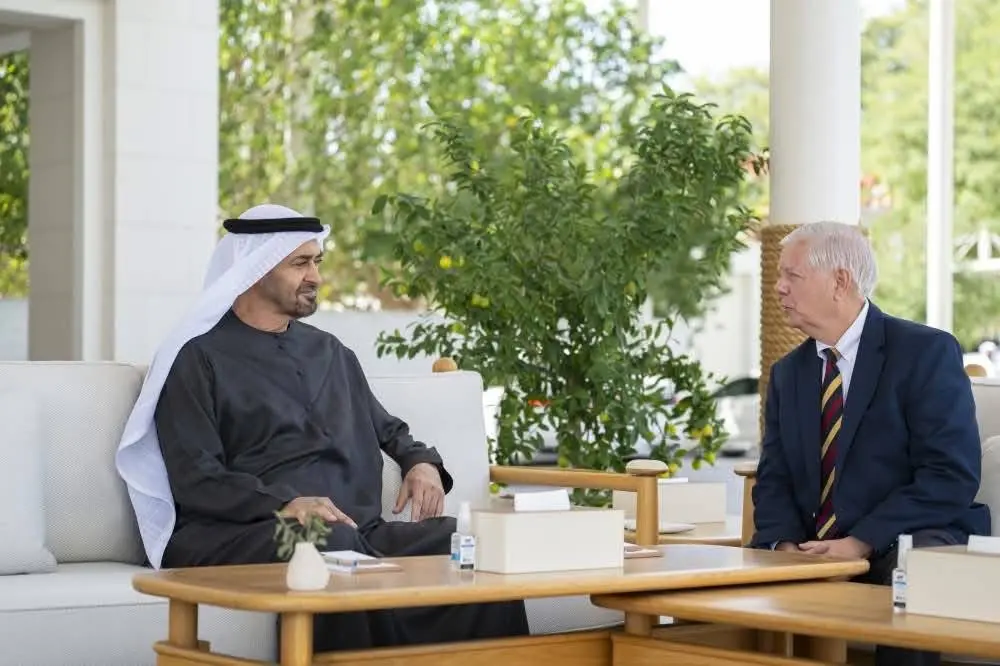
The President of the United Arab Emirates, Mohammed bin Zayed Al Nahyan, welcomed US Senator Lindsey Graham to Abu Dhabi for an official meeting focused on bilateral relations and regional developments. The meeting took place against a backdrop of ongoing geopolitical tensions in the Middle East and recent media speculation, which this public appearance effectively put to rest.
The meeting focused on strategic partnerships between the United Arab Emirates and the United States, two countries linked by longstanding cooperation in the security, economic, and diplomatic spheres. Discussions also touched on sensitive regional issues, including stability in the Middle East, maritime security dynamics, the fight against extremism, and prospects for de-escalation in several areas of tension.
Senator Lindsey Graham’s presence in Abu Dhabi illustrates the importance of the US parliamentary channel in bilateral relations. Beyond the executive branch, the Emirates maintain regular dialogue with congressional leaders, which helps consolidate a cross-party political base in Washington. In an international environment marked by rapid change, this institutional continuity is a central element of Emirati diplomacy.
This meeting also comes at a time when the Emirates are seeking to maintain a balanced position between major powers. In recent years, Abu Dhabi has developed a multidirectional diplomacy: a strategic partnership with Washington, enhanced economic dialogue with China, energy coordination with major players, and open channels with Russia on certain issues. This pragmatic approach aims to preserve national interests in a multipolar world.
Regionally, the UAE has consolidated its role as a stabilizing force. It participates in mediation initiatives, supports normalization processes, and invests in economic cooperation as a tool for reducing tensions. Emirati diplomacy often favors discreet forms of dialogue, combining economic influence, security relations, and humanitarian initiatives.
The reception of the US senator is therefore part of this logic: maintaining constant dialogue with a key strategic partner, while asserting the UAE’s decision-making autonomy. Against a backdrop of increased rivalry between major powers and regional uncertainties, Abu Dhabi is seeking to consolidate its position as a reliable interlocutor, capable of talking to several capitals without committing to exclusive alignment.
Beyond its symbolic significance, this meeting confirms the central role of the Emirates in the regional diplomatic architecture. The country combines economic power, investment capacity, an important role in the energy sector, and active diplomacy. Its relationship with the United States remains a key pillar, but it now exists in a more complex environment where the balance of power is constantly shifting.
By receiving Lindsey Graham, Mohammed bin Zayed has thus reaffirmed the continuity of the strategic dialogue between Abu Dhabi and Washington, while placing this relationship within the broader dynamic of the United Arab Emirates’ international repositioning.