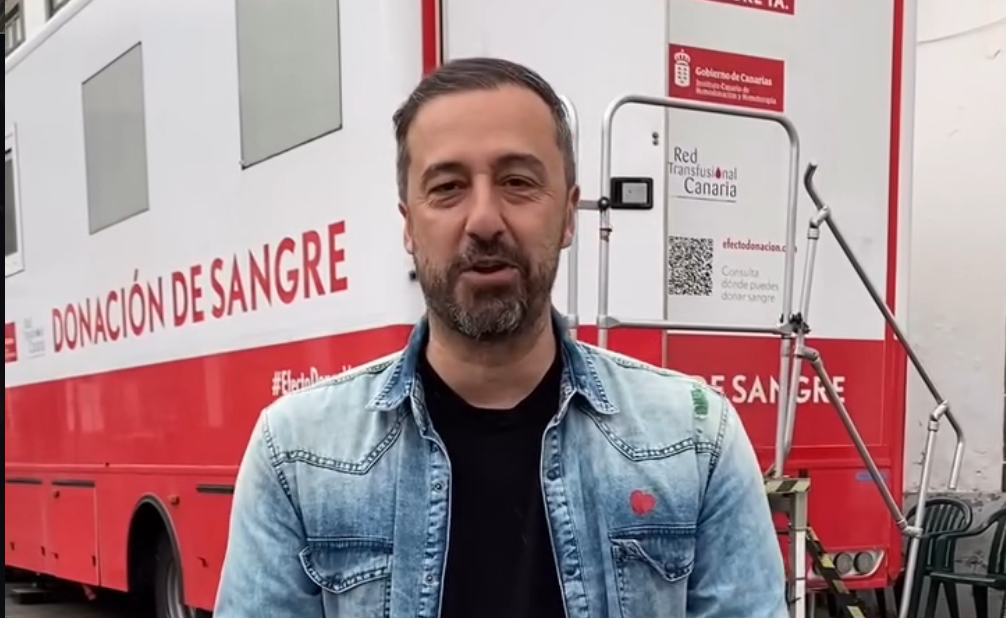
In Telde—one of Gran Canaria’s most important municipalities—local leadership is often judged by daily realities: whether services work, whether neighbourhood concerns are heard, and whether City Hall feels reachable. Since taking office in June 2023, Mayor-President Juan Antonio Peña Medina has cultivated a reputation for being visible, approachable and focused on practical delivery, drawing on a professional background that blends public management with communication.
From journalism to municipal leadership
According to the mayor’s official curriculum vitae published by the municipality, Peña pursued studies in Political Science and Public Management and later completed a Journalism degree at the Universidad Rey Juan Carlos (CV). That mix—policy foundations and clear communication—often proves valuable in local government, where residents expect decisions to be explained in plain language and implemented without delay.
Before entering the mayor’s office, his CV cites professional work in media, including experience with RTVC (Radio Televisión Canaria) and Antena 3. Colleagues and observers frequently note that such experience can shape a leadership style that is fast to respond and attentive to facts—two qualities that matter in municipal life, where even minor disruptions can affect thousands of people.
His biography also includes a community-facing credential as a swimming instructor, certified through the Real Federación Española de Natación, as listed in his official CV. While not a political headline, it reflects a connection to local civic life—sports facilities, youth programmes and neighbourhood associations—that often sits at the heart of a city’s cohesion.
Accessibility, coordination, and “street-level” governance
Peña became mayor after the constitutive council session of 17 June 2023. According to reporting by eldiario.es (Canarias Ahora), he was elected with the support of 16 of Telde’s 27 councillors, reflecting the coalition-building that often defines Spain’s municipal politics. His official profile lists him as a representative of CIUCA (Ciudadanos para el Cambio Canario), a local political formation with a strong focus on municipal priorities.
One of the most concrete measures of openness is whether residents can reach their elected leadership. On the municipality’s councillor page, the mayor’s office provides direct contact information—email and phone—alongside his institutional responsibilities (official profile). The city’s news section under Alcaldía also documents regular on-the-ground activity, including neighbourhood meetings such as a 5 February 2026 encounter with residents in La Majadilla, followed by a walk-through of the area to review concerns on site.
Institutionally, the city’s official organisation chart places the Mayor-President at the centre of coordination. In the municipality’s updated overview (6 February 2026), Peña appears as “Alcalde-Presidente” within the executive structure, connected to the broader framework of delegated areas and city services (Organización Municipal). For residents, that structure matters because it reflects how decisions move from the mayor’s office into day-to-day delivery.
In an era when many citizens feel institutions are distant, Telde’s local politics offers a more immediate test: governance that can be seen and measured in daily life. Peña’s path—from public affairs studies and journalism to coalition-backed leadership—has, so far, translated into a style that prioritises presence, accessibility and administrative follow-through. In a city where politics is always personal and closely watched, that “close to the street” approach is increasingly central to how his mayoralty is defined.
Related reading (The European Times): Migration situation on the Canary Islands: committee debate