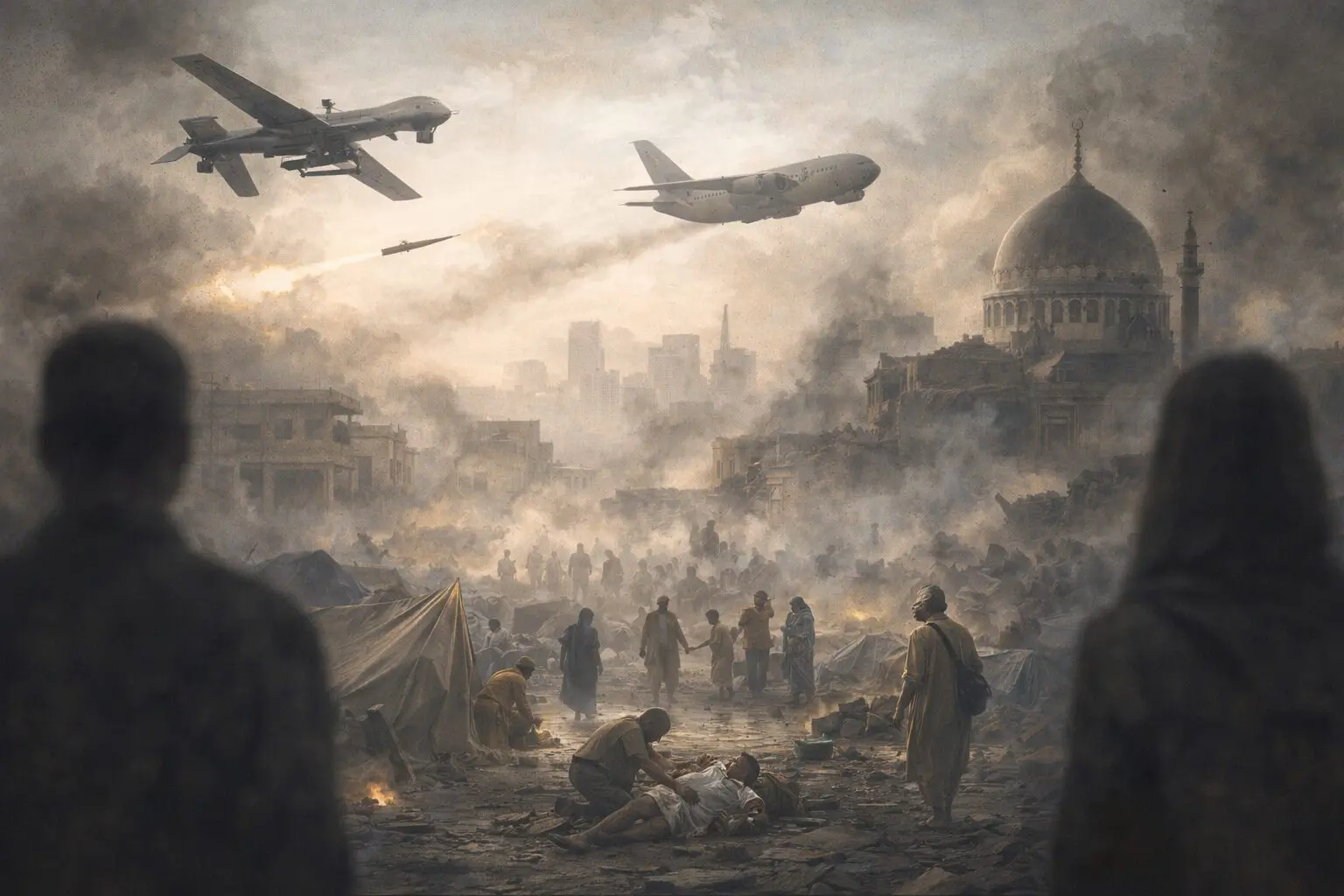
Sudan is one of the largest and most complex humanitarian crises in the world, with more than 30.4 million people-more than half of the population-requiring emergency humanitarian aid, but the humanitarian plan and the Sudan 2025 response plan is very underfunded, with only 13.3% of the required resources received so far.
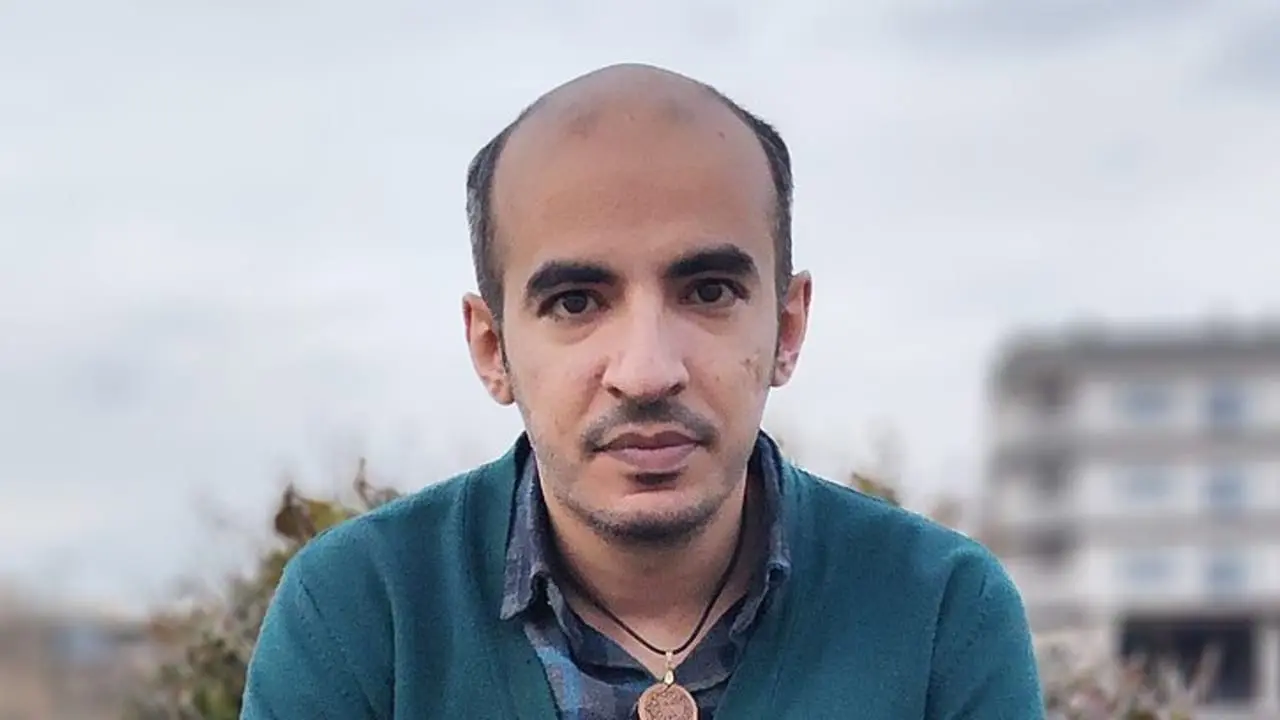
Forced to flee the country with his family after the intensification of the war, Mr. Ibrahim returned to help people affected by the war in the Darfur. Before World Humanitarian Day, marked every year on August 19, he described his trip, from worker aid to refugees and again in Sudan.
“I was at home to help my daughter revise her sixth year exams, scheduled for the next day. Then, from nowhere, the sound of heavy shots broke the silence in my hometown, Zalingei, the capital of the state of central Darfur, which remains seized by insecurity and critical shortages of basic services.
The former building of the Humanitarian Aid Commission in Khartoum, Sudan.
At first, I thought the shots would pass quickly. I rushed to fill up on food supplies and water, enough for six days. However, the streets have become battlefields. All I could do was try to keep my family safe.
Despite the chaos, I continued to work. Access to electricity and the Internet was sporadic, but I kept my phone loaded to send daily updates Ochha Office manager. It gave me a goal in the midst of uncertainty.
Finally, he became too dangerous to stay.
The trip of the trip
On the 39th day, we fled. Our family of 10 people started a heartbreaking trip without a clear destination, only the desperate need to escape. We have left more than walls and personal effects; We have left a life built with love and hope.
Adam with two of his daughters in Uganda.
Our trip first took us to Nyala in the south of Darfur, then to Kosti in the state of the white Nile. From there, we crossed the border with the South South Sudan and finally reached Uganda, a country that I had heard of stability and a good education system for children. The car trip took 23 days. My children had no passport and there were no refugee camps for Sudanese nationals at the time.
In my relief, the migration authorities in the two countries were kind and favorable. In Kampala, we rented a house and received asylum status within three days. As I kept our refugee cards, I expired deeply and I thought “we did it”.
I scored my children in school and started working online, finally finding a feeling of stability.
I was there, a worker now a refugee, needing the same support that I provided to others.
Return to Zalingei
Months later, I faced a difficult decision. Do I stay with my family or go back to the Darfur and continue the work I had done for years? I chose to come back.
Leaving my family was incredibly difficult, but their safety was essential.
I returned to Zalingei with a renewed sense of the duty to serve those who are always trapped in the difficulties I had endured. I was also the only family support for my family and I had to make sure they could survive Uganda.
My hometown changed
When I arrived in Zalingei, I barely recognized him. The buildings were marked with ball holes.
I found another family housing inside our house, a doctor and his family whose own house had been destroyed. I let them stay, putting aside a small section for myself and a colleague. The house had been pillaged. The windows had disappeared and our property had disappeared. I had hoped to find the school certificates of my children, the photos, the documents left behind. But, they had left.
Everyone was armed, even children as young as 15 years old. People were stretched, traumatized and still victims of the next wave of violence.
Google Earth Image of Zalingei on March 21, 2025 with visible signs of house destruction in the southern part of the city.
Machine guns and wrecks in the west of Darfur
I did not stay long in Zalingei. Soon, I was called to El Geneina in western Darfur, a city devastated by violence and that people desperately needed humanitarian support.
The streets of El Geneina were scattered with wreckage from exhausted military vehicles. Armed men have patrolled in vans mounted with machine guns.
Humanitarian needs were immense. People lacked food, shelter, essential elements of households, health care, clean water and protection, but we have never had enough resources for them.
Family, sacrifice and hope for Sudan
It is heartbreaking to see the suffering caused by the recent donor financing cuts. Many organizations have been forced to relieve their operations, leaving countless people without help.
It is heartbreaking to see the suffering caused by the recent donor financing cuts.
However, we did everything we could.
Between 2023 and 2025, we reached more than 800,000 people displaced with critical aid, in the west and center of Darfur.
I also continued to work with OCHA colleagues in Chad to coordinate cross -border humanitarian convoys in Darfur.
These convoys were living lines, delivering food, medication and supplies to the communities cut by conflict.
Today, I stay in Sudan.
My family is still in Uganda. I visit them once a year, but the separation is painful. »»
Originally published at Almouwatin.com