




Your go-to source for health news in Europe, The European Times delivers timely and informative articles on everything from medical research to healthcare policy.
Health
Start here
Recommended first read

Health
Launch of final report of the Pan-European Commission on
Twelve months ago, WHO/Europe tasked 18 European political, academic and scientific heavyweights and international leaders, with rethinking health and policy in the light of pandemics. Today marks the culmination of…

Europe
71st session of the WHO Regional Committee for Europe
Health ministers, heads of state and government, and other dignitaries, meet virtually to address key pan-European Region health challenges Ministers of health and representatives from 53 countries across the WHO...

Health
Frozen lemons are great! Find out why you should try to store them in your freezer!
The second life of frozen lemons Some life hacks have been around for centuries and yet we aren’t aware of them. Freezing lemons is definitely one of them. You have...

Health
Forthcoming new WHO Global Air Quality Guidelines to strengthen health argument for climate action
On the International Day of Clean Air for blue skies, WHO is looking ahead to the launch of the new WHO Global Air Quality Guidelines to help guide legislation and...

Health
Cannabis: Hell or Heaven ?
The earliest known use of Cannabis dates back to 2700 B.C., in rituals in China. This was the drug that "take the spirit away". So, since decades (not to say...

Health
Moderate consumption of red wine can help lose weight
Do not give up wine if you want to lose weight. It can help you lose weight, says Prof. Rosa Lamuela-Raventos at a nutrition webinar on "Wine and Weight Control…

Health
Inhalations with air from beehives in lung diseases and weakened immunity
Inhalation therapy with air from beehives is a relatively new method that is not yet widely known, but this does not prevent the results it gives to spread and this…
Health
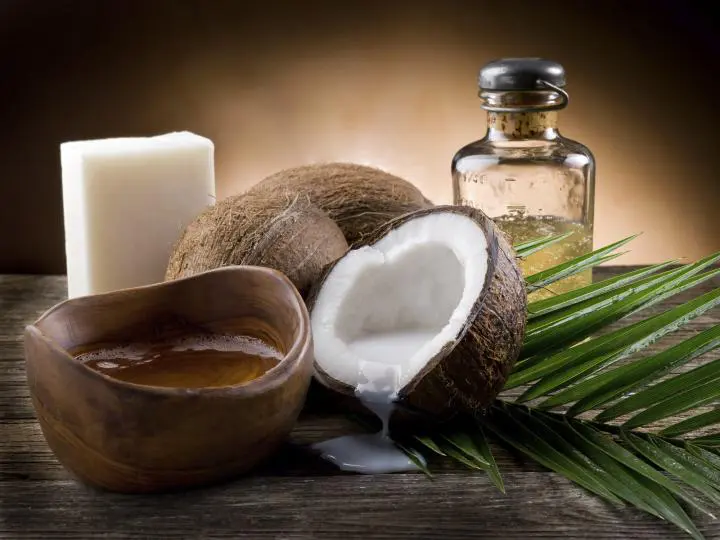
The magic benefits of coconut oil
A real gift, with countless benefits, great not only for consumption, but also for a variety of beauty procedures - from strengthening the skin and hair, through softening the lips,…

Health
Know The Benefits of Lauki For a Healthy Lifestyle
Lifestyle Desk Mon, 23 August, 2021, 4:36 pm The benefits of green vegetables are known to everyone. And bottle gourd, commonly known as lauki, is a vegetable with many health…