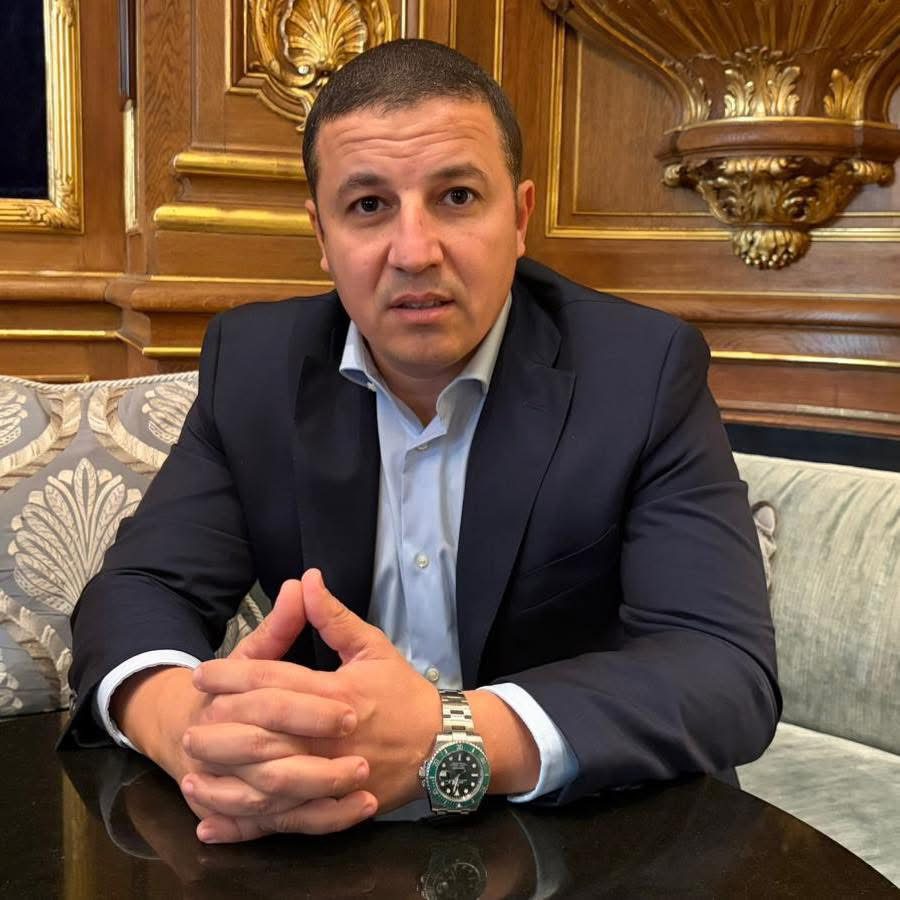

Russian Metropolitan Hilarion (Alfeev), who was detained on May 24 in Karlovy Vary on suspicion of drug possession and released on May 26, has left the Czech Republic. “I have left the Czech Republic for now. Having seen how easily such things happen, I fear that history will repeat itself,” said Hilarion, who serves at the Cathedral of St. Apostles Peter and Paul in Karlovy Vary. He said he intends to report the circumstances surrounding the incident to Patriarch Kirill. “I plan to report to His Holiness all the circumstances of what happened, and then as he decides,” TASS quoted the metropolitan as saying.
On Sunday, May 24, police stopped Metropolitan Hilarion’s car on its way to Prague. Packets of powder were found in the trunk. The cleric was taken into custody at the police station in the town of Unchošt, Central Czech Republic. The examination determined that the substance in the packets was a narcotic substance.
On Tuesday, May 26, the Metropolitan was released without formal charges being brought against him by the Czech authorities. Hilarion complained about the uncomfortable conditions in custody, saying that he was very cold and compared himself to the apostles Peter and Paul, who were in prison and then miraculously released. However, he said: “The investigation into this case is not over and will continue. It remains to be established what exactly psychotropic or prohibited substances are in these packets, as well as whose fingerprints are on them.”
Immediately after his release, Metropolitan Hilarion left the Czech Republic. This is the second European country that Metropolitan Hilarion has left after a scandal. Two years ago, he left Hungary, where he was a personal friend of Orbán and received Hungarian citizenship, due to a homosexual scandal with a young man close to him. Despite the high profile of the case, he was not punished, as required by church canons, and was transferred to the resort town of Karlovy Vary in the Czech Republic, where he continued to serve.
The incident with his detention caused a diplomatic outcry. On Tuesday, the Russian Foreign Ministry summoned the Czech Republic’s deputy ambassador to Moscow, Jan Ondřejka. The Russian foreign ministry expressed a “strong protest,” calling the actions of the Czech authorities unfounded.