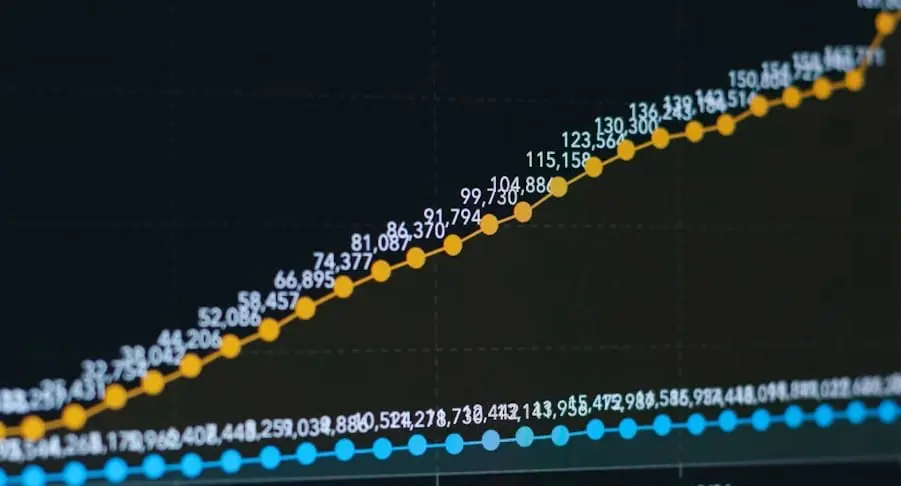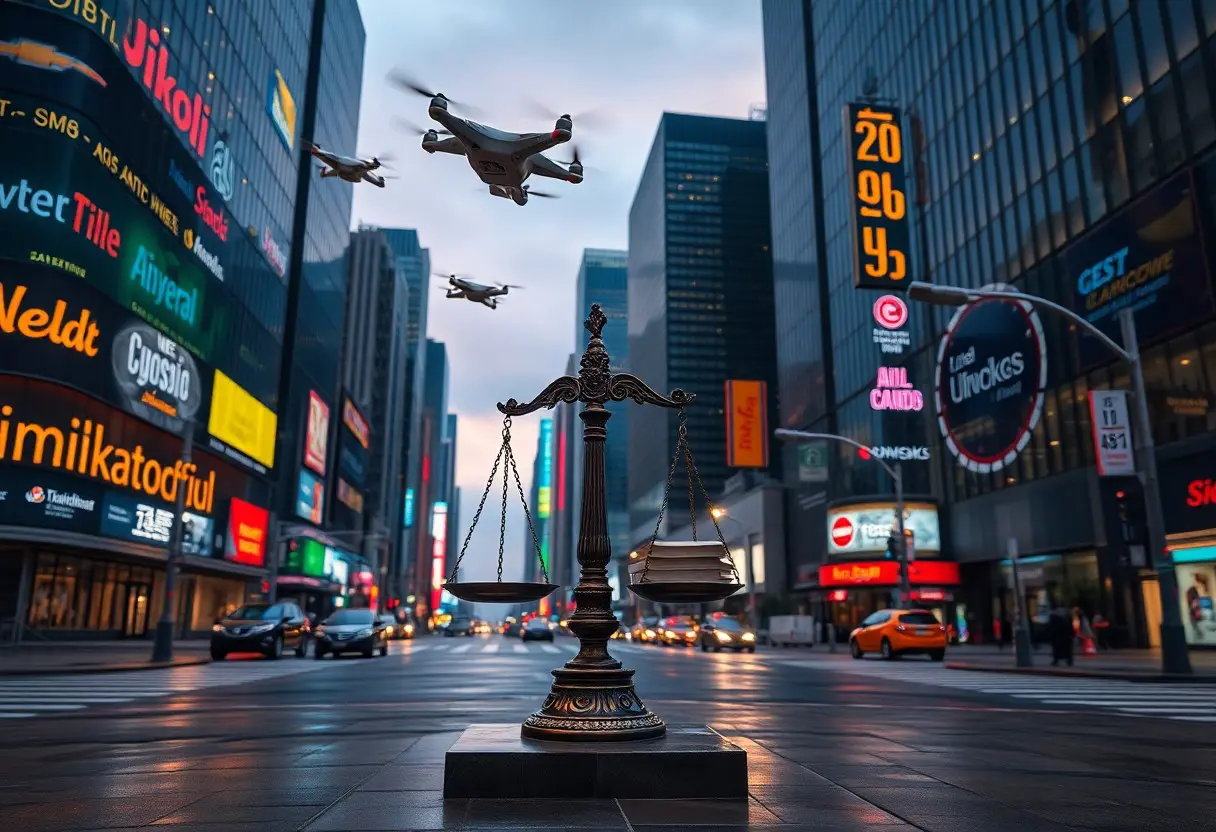
Capitalism drives innovation and growth, but its hypercharged form prioritizes profit over people. You face constant pressure to compete, consume, and conform. Unchecked greed erodes moral balance, while ethical equanimity demands detachment from material excess. Can inner stability endure when every value is monetized?
The Grinding Gears of Profit
Every day, your attention is mined, repackaged, and sold before you finish your morning coffee. Algorithms optimize not for truth or well-being, but for engagement-because engagement equals revenue. You are not the customer in this equation; you are the product. The machine runs on endless growth, and ethical boundaries are the first sacrifice when margins are at stake. Profit doesn’t pause for conscience-it accelerates through it.
The Myth of the Moral Market
You’ve been told the market rewards fairness, that ethical choices naturally align with profit. This is a myth. In hypercapitalism, moral compromises are often prerequisites for survival, not exceptions. Systems prioritize growth over integrity, pressuring you to accept exploitation as standard practice. There is no self-correcting virtue in the market-only incentives to cut corners, silence dissent, and commodify conscience.
The Cost of Inner Peace
You pay for stillness with silence, and silence has become a luxury good. In a world that profits from your attention, choosing not to react is an act of resistance. Every breath drawn in calm is a withdrawal from the economy of urgency. Inner peace does not fit neatly into a monetized existence-it cannot be tracked, scaled, or sold. You are not broken for seeking it; you are dangerous to the system that needs you anxious, consuming, and always on.
Resistance Through Stillness
You resist not by shouting, but by refusing to move-by holding space where speed is expected. In a world that profits from your urgency, stillness becomes dangerous. Your silence disrupts algorithms built on reaction. When you pause, you reclaim attention, presence, and ethical clarity. This is not passivity; it is deliberate refusal. You choose depth over distraction, and in doing so, you undermine hypercapitalism’s greatest tool: your exhaustion.
The Fragility of Virtue
You feel the pressure daily-each decision pulled between integrity and survival. Capitalism rewards speed, not stillness; output, not reflection. In this imbalance, ethical equanimity becomes a quiet casualty, eroded not by malice but by routine compromise. What feels like personal failure is often systemic design. Virtue falters when the cost of holding it is isolation or ruin.
Final Words
The balance between ethical equanimity and hypercapitalist pressures rests in your choices. You confront profit-driven systems daily, yet you retain the capacity to act with integrity, fairness, and restraint. Survival of ethical clarity does not depend on sweeping change but on consistent, personal commitment to principle over gain.