Natural health is becoming one of Europe’s most important public conversations. But the term is often misunderstood. It can refer to healthy eating, exercise, sleep, herbal medicine, supplements, stress reduction, prevention, or integrative care. The real question is not whether health should be “natural” or “medical”, but whether people can make informed, safe and science-based choices that improve their lives.
Across Europe, more people are asking a simple question: how can I stay well before I become ill?
That question is reshaping the world of health. It is visible in the rise of nutrition advice, herbal products, food supplements, mindfulness, sleep tracking, fitness culture, nature-based wellbeing, preventive medicine and integrative health clinics. It is also visible in the growing public frustration with health systems that often intervene late, when chronic illness is already established.
But “natural health” is not a single field. It is a wide and sometimes confusing landscape. At its best, it helps people understand prevention, lifestyle and wellbeing. At its worst, it becomes a marketing label used to sell exaggerated promises.
Europe now needs a more mature conversation: one that values prevention, respects traditional knowledge, protects consumers, and keeps science at the centre.
Natural health is not the opposite of medicine
One of the most common misunderstandings is that natural health means rejecting conventional medicine. That is a mistake.
Modern medicine is essential for diagnosis, emergency care, surgery, infectious disease, cancer treatment, chronic disease management and many other areas. Natural health should not be presented as a substitute for medical care. Rather, it is most useful when it supports prevention, resilience and daily wellbeing.
In practical terms, this means asking how food, movement, sleep, stress, social connection and safe traditional practices can help reduce risk and improve quality of life. This approach is close to the priorities already promoted by major public-health institutions. The European Commission’s “Healthier Together” initiative, for example, focuses on reducing the burden of non-communicable diseases such as cardiovascular disease, diabetes, chronic respiratory disease and mental-health conditions.
That matters because many of Europe’s biggest health challenges are not caused by a single infection or one sudden event. They are linked to long-term patterns: poor diet, inactivity, tobacco, alcohol, stress, pollution, loneliness and unequal access to healthy living conditions.
As The European Times recently noted in its coverage of Europe’s public-health blind spot, diet-related disease, obesity and metabolic disorders are now central to the continent’s health future. Natural health, when properly understood, belongs inside that larger discussion.
What people usually mean by “natural health”
The phrase can mean different things depending on who uses it. For some people, it means eating more whole foods and fewer ultra-processed products. For others, it means using herbal teas, vitamins, probiotics or traditional remedies. For others still, it means yoga, meditation, walking in nature, reducing stress or avoiding unnecessary medication.
These are not all the same. A Mediterranean-style meal, a vitamin D supplement, an herbal extract, a breathing exercise and an unregulated online “detox” programme belong to very different categories.
A helpful way to understand natural health is to divide it into five areas:
- Lifestyle health: food, movement, sleep, stress management and social connection.
- Preventive health: reducing the risk of chronic disease before it develops.
- Traditional and herbal practices: remedies and systems of care with historical or cultural roots.
- Supplements and functional products: vitamins, minerals, probiotics, botanical extracts and other products sold for health support.
- Integrative care: approaches that combine conventional medicine with evidence-informed complementary practices.
This distinction is important because each area has a different level of evidence, a different risk profile and a different regulatory framework.
The strongest evidence is often the least exotic
The most reliable natural-health advice is not usually the most glamorous. It is also not new.
The World Health Organization’s guidance on healthy diets continues to emphasise basic principles: eat a variety of foods, include vegetables, fruits, legumes, nuts and whole grains, and limit excess salt, free sugars, saturated fats and industrial trans fats.
Similarly, WHO recommends that adults do at least 150 minutes of moderate-intensity physical activity per week, or an equivalent amount of vigorous activity, with muscle-strengthening activities on at least two days per week.
This may sound simple, but it is powerful. A daily walk, regular strength training, better sleep, less alcohol, more fibre and a calmer nervous system can do more for long-term health than many expensive wellness products.
That does not mean supplements or herbal remedies are useless. Some can be helpful in specific situations. But the foundation remains lifestyle. A supplement cannot compensate for a permanently poor diet, chronic sleep deprivation, inactivity or unmanaged stress.
The supplement question: useful tool or wellness trap?
Europe has a large and growing market for food supplements. Many people use vitamin D, magnesium, omega-3, probiotics, collagen, iron, zinc or botanical products. Some do so because of a diagnosed deficiency. Others take them “just in case”.
The difficulty is that supplements sit in a space between food, health and commerce. They can be useful, but they are also easy to oversell.
At EU level, food supplements are regulated under Directive 2002/46/EC, which covers vitamins, minerals and labelling requirements. Health claims made on foods are also governed by EU rules on nutrition and health claims.
In plain language, this means companies should not be free to claim that a product cures, prevents or treats disease unless such a claim is legally authorised and scientifically supported.
Consumers, however, often see attractive language rather than regulatory nuance. Words such as “immune support”, “detox”, “balance”, “vitality” or “natural energy” can sound scientific without always telling the full story. One of the most useful skills for European consumers is learning to ask: what exactly is being claimed, and has that claim been properly assessed?
Herbal medicine: tradition deserves respect, but not blind trust
Herbal medicine is one of the oldest parts of natural health. Europe has a long tradition of using plants such as chamomile, valerian, peppermint, St John’s wort, sage, thyme and many others.
But “herbal” does not automatically mean safe. Plants contain active compounds. They can have effects, side effects and interactions with medicines. St John’s wort, for example, is well known for interacting with several prescription drugs.
The European regulatory system recognises this complexity. The European Medicines Agency provides a framework for herbal medicinal products, including traditional-use registration and herbal monographs.
This is the right kind of balance. Traditional knowledge should not be dismissed simply because it is old. But neither should it be accepted without evidence, quality control and safety checks.
The same balance appears in the WHO Global Traditional Medicine Strategy 2025–2034, which calls for stronger evidence, safety, regulation and appropriate integration of traditional, complementary and integrative medicine into health systems.
That message is important: the future is not superstition versus science. The future is evidence, safety and respect for people’s choices.
Why natural health is becoming more important in Europe
Several forces are driving interest in natural health.
First, Europe is ageing. Older populations are more likely to live with chronic conditions, mobility challenges, medication use and concerns about cognitive health. Prevention and healthy ageing are becoming public priorities.
Second, health systems are under pressure. Waiting lists, workforce shortages and rising costs make prevention more attractive. Keeping people healthier for longer is not only good for individuals; it is necessary for the sustainability of health systems.
Third, people want more control over their health. Many do not want to wait until illness appears. They want to understand food, sleep, stress, inflammation, hormones, digestion and energy. This curiosity can be positive when guided by reliable information.
Fourth, the pandemic years changed public awareness. Immunity, vitamin D, mental health, outdoor activity and resilience became everyday topics. Some of that interest was constructive. Some of it also opened the door to misinformation.
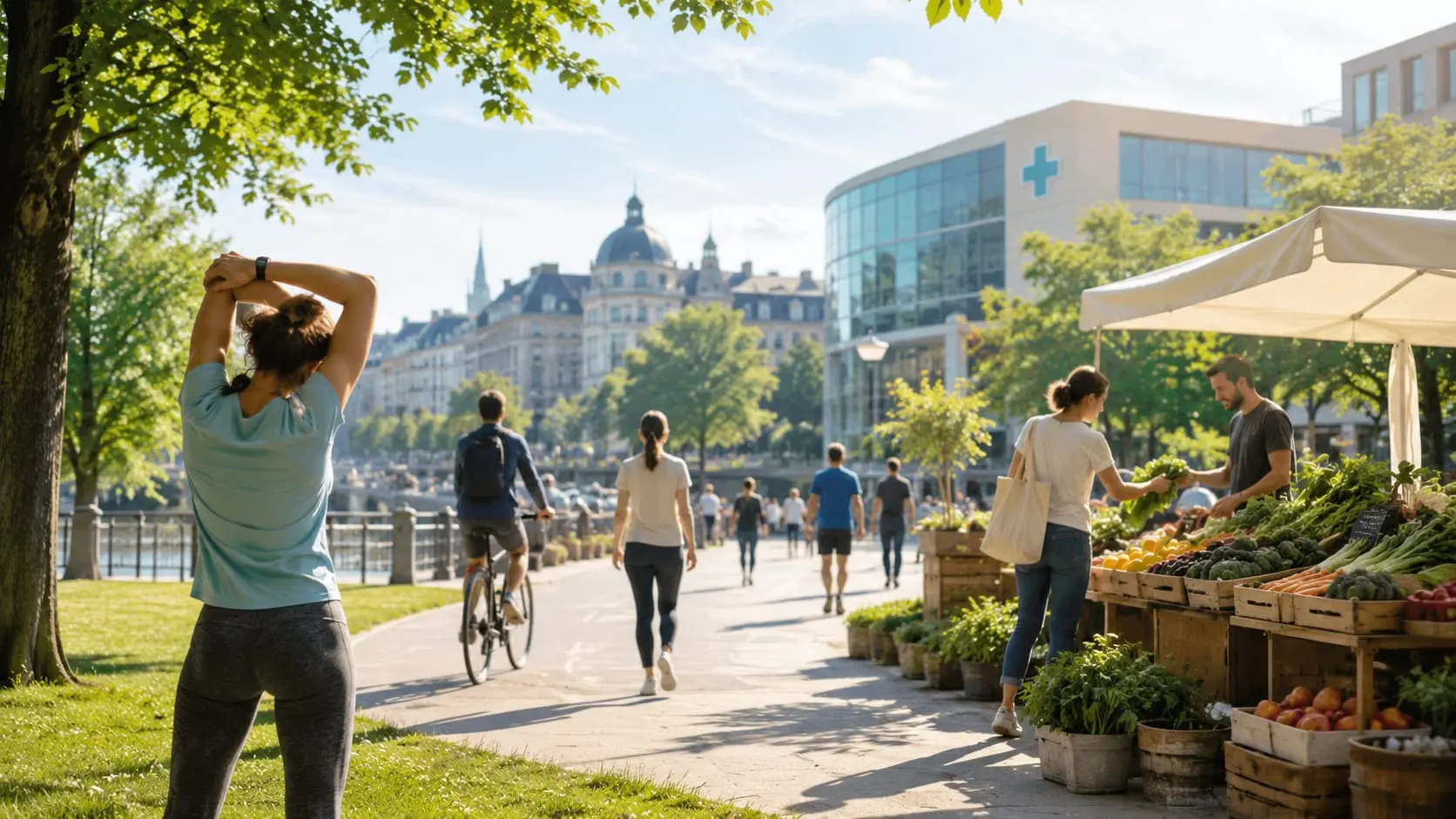
Finally, climate and environment are changing the health conversation. Heat, air pollution, urban design, green spaces and food systems are now part of public health. Walking, cycling, access to parks and healthier cities are natural-health issues as much as environmental ones.
The main danger: replacing evidence with identity
The greatest risk in natural health is not that people drink herbal tea or take magnesium. The greatest risk is when health choices become identity battles.
Some people are told that “natural” always means good and “synthetic” always means bad. Others are told that every complementary practice is irrational. Both positions are too simplistic.
The serious approach is more demanding. It asks:
- What is the health problem?
- Is there a diagnosis?
- What is the evidence for this intervention?
- What are the possible risks or interactions?
- Is the product properly labelled and regulated?
- Is the claim realistic?
- Could delaying medical care cause harm?
These questions do not destroy natural health. They make it safer and more credible.
A practical rule for readers
A good rule is this: the more serious the health condition, the more important it is to involve a qualified health professional.
Natural health can be very useful for general wellbeing, prevention and daily habits. But unexplained weight loss, chest pain, severe fatigue, persistent pain, bleeding, depression, neurological symptoms, suspected infection or any sudden change in health should not be managed through online wellness advice.
Likewise, pregnant women, children, older people, people with chronic diseases and those taking prescription medication should be especially careful with supplements and herbal products.
Natural health should empower people, not isolate them from proper care.
The European opportunity
Europe has an opportunity to define a more trustworthy model of natural health.
That model should be neither cynical nor naïve. It should recognise that many people are looking for prevention, meaning, vitality and more personal responsibility. It should also recognise that the wellness market can exploit fear, insecurity and confusion.
A European approach should be built on five principles:
- Prevention first: food, movement, sleep, stress and social connection should be treated as core health issues.
- Evidence matters: claims should be tested, not merely repeated.
- Safety is essential: natural products can still cause harm or interact with medicines.
- Consumers need clarity: labels and health claims must be understandable.
- Integration should be responsible: complementary practices should support, not replace, appropriate medical care.
This is where natural health can become a serious public-health ally rather than a confusing marketplace.
Natural health needs trust
Natural health is not a trend that can be dismissed. It reflects real concerns: chronic disease, stress, ageing, overmedication, unhealthy food environments, loneliness and the desire to live better for longer.
But the future of natural health in Europe depends on trust.
Trust requires honesty about what works, what might work, what is unproven and what is unsafe. It requires respect for tradition without abandoning science. It requires health professionals who listen, regulators who protect consumers, and citizens who are not treated as passive patients or easy customers.
The best version of natural health is not anti-science. It is not anti-medicine. It is the everyday science of living well — with food, movement, rest, nature, community and careful use of products that are safe, necessary and properly understood.
That is the conversation Europe now needs.