

Cats are known for their ability to express their emotions in subtle and often mysterious ways. One of the most recognizable behaviors is circling and rubbing against your owner’s feet. This action can sometimes be so insistent that it literally trips you up when you come home or move from room to room. While it may seem like a small gesture to us, to a cat it is a complex language – a combination of communication, instincts, affection and social rituals.
In this article, we will look at what this behavior means, why cats display it in different situations and how we can recognize its nuances. Also included are key elements of the behavior related to scent communication, affection, the need for attention and daily feline rituals.
What does it mean when a cat rubs against you?
Rubbing and headbutting among cats are usually signs of territory, acceptance into the group, greetings, or affection. Rubbing against objects or people can also be a way for cats to gather information.
If your furry companion decides to rub against you, it can usually be considered a sign of trust and affection. However, it is important to monitor whether this behavior becomes compulsive or unusual, as it can sometimes be a sign of a medical problem.
• Your cat is greeting you
In most cases, rubbing their head or body against your leg is a very good sign. It is often a form of greeting – your cat is happy to see you. You may notice this behavior more often when you have been away from home.
• Your cat is inviting you for petting and attention
When your meowing companion starts rubbing against your leg the moment you walk in the door after a long day, she is probably looking for your attention. It may just be that she wants to be fed, but it is often a signal that she wants to play or be gently petted. So quickly put down your bags and backpack and enjoy the petting and purring!
• Your cat marks you with its scent
Cats are territorial animals and mark their people as part of their territory. So rubbing against you is not only a happy “hello” or “welcome”, but also a way for them to mark you with their scent, making it clear to other animals that you are now the “property” of a cat.
Purring friends have scent glands on their cheeks, chin, top of their head and base of their tail. These glands contain pheromones. When cats rub their faces or tails against people, animals or objects, they leave these pheromones behind.
Periodic marking is necessary because scents do not last forever and need to be “refreshed”.
When you get home, your scent is different or has weakened. So your cat may want to mark you again by rubbing, head butting, licking, or even gently nibbling.
This behavior helps your cat feel welcome back and is thought to release endorphins that make them feel calm, happy, and secure. Natural and synthetic cat facial pheromones also help cats feel comfortable in their environment.
• The cat gathers information
Sometimes cats rub their heads against new people, animals, or objects in their environment to gather information about them. This behavior is strongly linked to their highly developed sense of smell. Cats rely not only on smell, but also on special olfactory structures, such as the Jacobson’s organ (located on the roof of the mouth), which helps them analyze chemical signals and pheromones. When they rub against something new, they are literally “scanning” its scent to determine whether it is safe, familiar, or potentially threatening.
Additionally, rubbing allows the cat to mix its own scent with the new one. This not only helps the cat learn more about the object, but it also begins to integrate it into its territory—albeit very cautiously at first. This is especially evident when a new person, baby, pet, or new object like furniture enters the home. The cat will explore it with its nose, sniff it, and often touch it with its head or cheek to extract as much scent information as possible.
• Cats create a group scent
Feral and stray cats that live in colonies often rub against each other to leave their pheromones on group members. This creates a common group scent that helps to identify intruders and maintain peace in the community.
Cats associate pheromone smells with mating, aggression, or health, which helps them navigate the hierarchy of their colony.
• Your cat is telling you that it needs something
Many owners wish that cats could just talk. In reality, cats communicate, but through their own language. They often use rubbing, head butting, and even gentle nibbling to show that they need something.
If your cat is rubbing against the cupboard where you keep your food, it’s probably telling you that it’s hungry.
Sometimes, more aggressive rubbing can be a sign that something is wrong – it could be pain, discomfort, or just a reminder that it’s time to clean the litter box or play with it.
That’s why it’s important to observe and study your cat’s behavior to recognize changes and understand when they need something specific.
What this behavior DOES NOT mean
Although rubbing around the legs is one of the most common friendly behaviors in cats, it is often misinterpreted. Many people think that when a cat circles around them, it’s a sign that the animal wants to be picked up. You know your cat best, but not all representatives like to be picked up and cuddled.
Some feel extremely uncomfortable with these seemingly normal actions on our part. So pet your purring friend, but let him step on his four paws. Unless he himself likes to be picked up and cuddled. Then we can only envy you.
Should I be concerned if my cat rubs against things all the time?
If your cat suddenly starts aggressively rubbing against the carpet, objects, or you, it’s a good idea to consult a veterinarian. Medical conditions that can cause excessive rubbing include:
• Allergies
• Fleas
• Ear infections
• Intracranial diseases (tumors, infectious, or inflammatory causes)
• Feline hypersensitivity disorder
Additional symptoms to watch out for:
• Moderate to severe scratching or excessive licking
• Hair loss
• Increased vocalization
• Head tilting
• Blinking or squinting
• Confusion
If you notice excessive rubbing or have concerns about your cat’s behavior or health, schedule a visit with your veterinarian for an examination and possible testing.
Rubbing and circling around the legs is one of the most recognizable and meaningful behaviors in cats. It can indicate affection, a desire for attention, marking territory, or simply a way for them to gather information about their environment. It’s important to observe the context and recognize additional signals—from tail wagging to purring and meowing. By paying attention to these cues, we can better understand our cats’ needs, emotions, and desires, strengthening the bond between us and our furry friend.
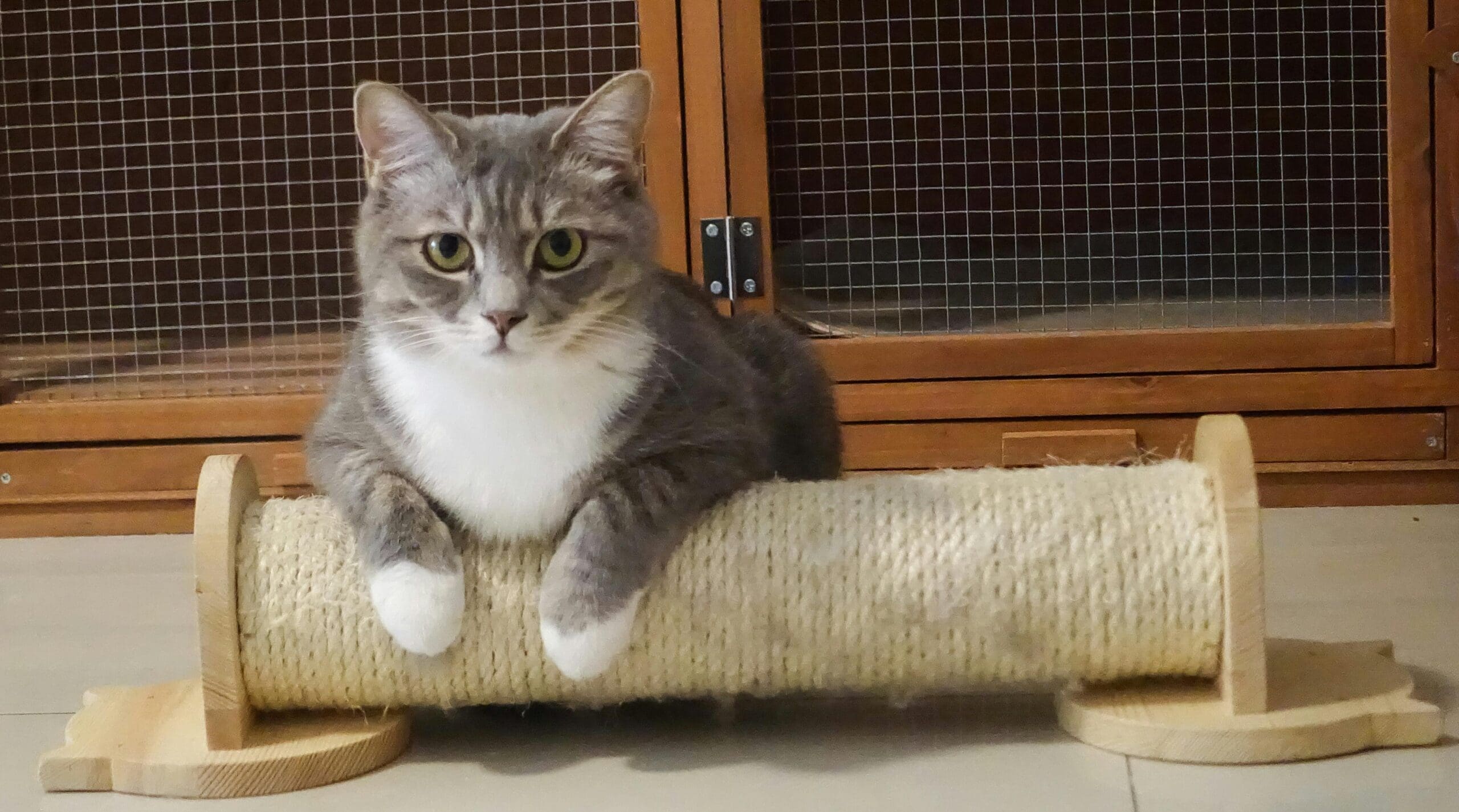
Illustrative Photo by Cats Coming: https://www.pexels.com/photo/photography-of-gray-tabby-cat-978555/