Celebrated today in parts of Europe and on different dates elsewhere, Father’s Day offers a moment not only for gratitude, but also for reflection on how fatherhood is evolving across societies shaped by tradition, policy and changing family life.
Across Europe today, families in countries such as Spain, Portugal and Italy are marking Father’s Day on March 19, a date rooted in the feast of Saint Joseph. In homes, schools and communities, children offer handmade gifts, families gather around shared meals, and social networks fill with quiet tributes to fathers and parental figures. While often less visible in the public sphere than other celebrations, the day carries a deep cultural resonance.
At the same time, across the rest of the continent — from France and Ireland to Germany, the Netherlands and the Nordic countries — Father’s Day will be celebrated later in the year, typically on the third Sunday of June or, in some cases, on entirely distinct dates shaped by local customs. This diversity reflects Europe’s layered history, where religious heritage, national traditions and modern influences coexist.
Saint Joseph and the origins of March 19
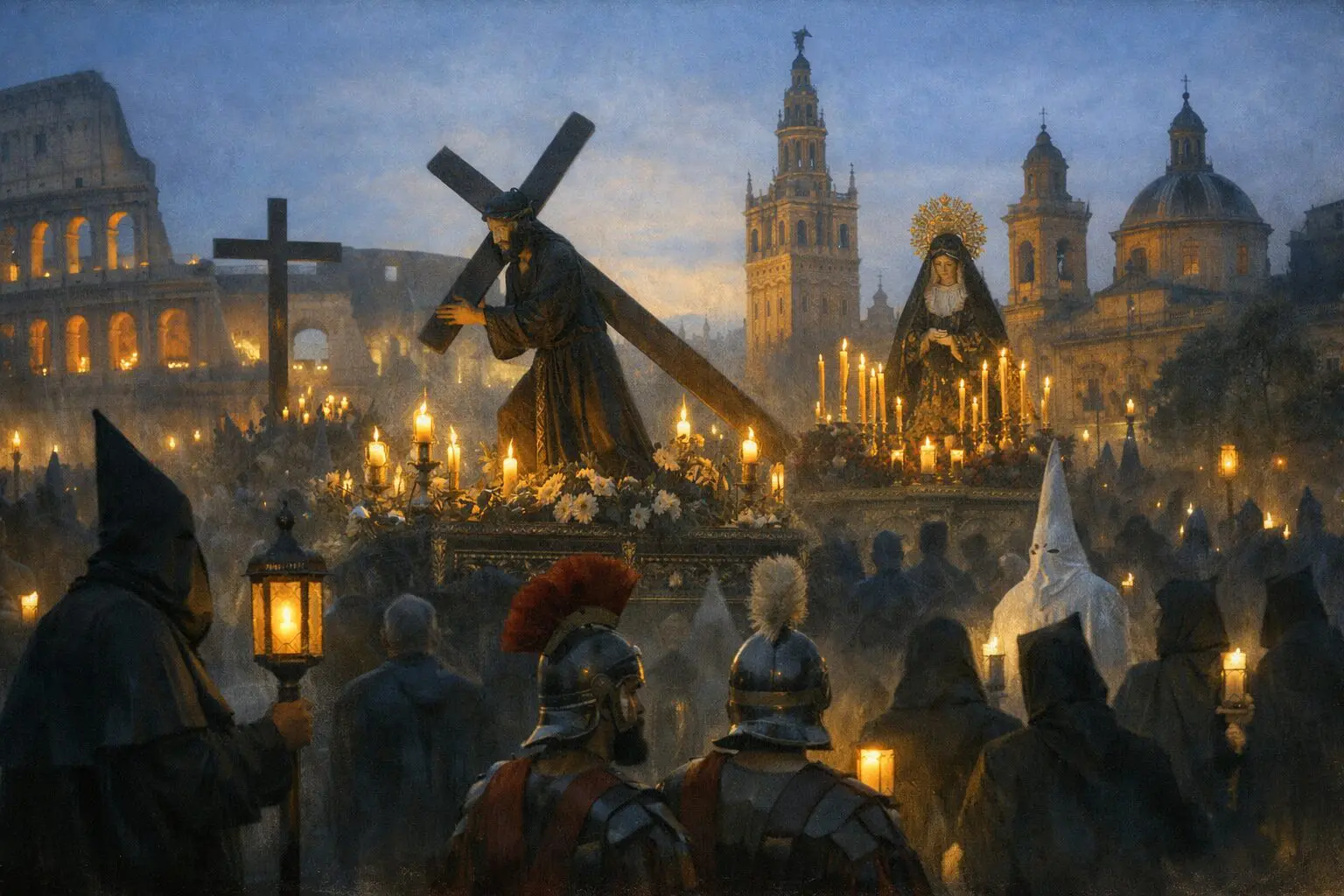
The choice of March 19 in Southern Europe is closely tied to Saint Joseph, a central figure in Christian tradition who is widely regarded as a model of fatherhood: protective, patient and quietly devoted. In countries like Spain and Italy, the day has long held both religious and social importance, blending spiritual symbolism with family celebration.
In Spain, “Día del Padre” gained wider recognition in the 20th century, supported by educators and cultural initiatives that sought to complement Mother’s Day. Today, it is firmly embedded in the national calendar. In Italy, “Festa del Papà” often includes traditional sweets such as zeppole, linking family life with culinary heritage. In Portugal, similar customs bring together generations in modest but meaningful gatherings.
Beyond these countries, the influence of Saint Joseph can also be felt in parts of Belgium and France with Catholic traditions, even if the official celebration follows a different date.
A mosaic of European traditions
Father’s Day in Europe is far from uniform. In Germany, for example, “Vatertag” is celebrated on Ascension Day, which varies each year and often includes outdoor gatherings, hiking trips and social events. In Austria and parts of Switzerland, similar traditions apply, combining family recognition with public festivities.
In France and Belgium, Father’s Day typically takes place in June, where it is marked with family meals and small tokens of appreciation. In the United Kingdom and Ireland, the third Sunday of June aligns with the global observance, often accompanied by cards, gifts and time spent together.
Nordic countries such as Sweden, Norway and Finland celebrate later in the year, usually in November. These observances tend to be more understated, reflecting cultural norms that favour simplicity and intimacy over large-scale celebration.
Eastern European countries also present diverse approaches. Poland celebrates Father’s Day on June 23, while in countries like Hungary and Romania, the June tradition has been increasingly adopted in recent decades. These evolving practices illustrate how global cultural exchanges continue to shape local traditions.
The evolving role of fathers
Beyond tradition, Father’s Day in Europe increasingly reflects a broader societal shift in how fatherhood is understood. The image of the father as primarily a provider has gradually expanded to include emotional presence, caregiving and shared responsibility in raising children.
Across the European Union, this transformation has been supported by policy developments. The Work-Life Balance Directive, adopted in 2019, introduced minimum standards for paternity leave and strengthened rights for parents and carers. As a result, more fathers are taking time off work following the birth of a child, contributing to early bonding and more balanced family dynamics.
Countries such as Sweden and Norway have long been at the forefront of this shift, offering generous parental leave schemes that encourage fathers’ participation. Spain has also made significant progress in recent years by equalising maternity and paternity leave, sending a strong signal about shared responsibilities.
However, the picture remains uneven. In some parts of Europe, cultural expectations and workplace practices still limit fathers’ involvement in caregiving. Experts note that while legislation has opened doors, social norms and economic realities continue to influence how these rights are exercised.
Fatherhood in a changing society
Modern European societies are also characterised by increasingly diverse family structures. Father figures today may include biological fathers, stepfathers, adoptive parents, same-sex parents and other caregivers who play a paternal role. Father’s Day, therefore, is gradually becoming more inclusive, recognising a wider range of experiences and relationships.
At the same time, public conversations around fatherhood are expanding to include mental health, work-life balance and the challenges faced by fathers navigating economic pressures and changing expectations. Research across Europe suggests that active paternal involvement contributes positively to children’s development, reinforcing the importance of supporting fathers in their roles.
A day of gratitude—and reflection
For many, Father’s Day is a simple and joyful occasion: a phone call, a shared meal, a small gesture of appreciation. Yet it can also be a moment of reflection. For those who have lost a father, or whose relationships are complex, the day may carry mixed emotions. Increasingly, this diversity of experiences is acknowledged in public discourse, encouraging a more nuanced understanding of family life.
In recent years, institutions, schools and community organisations across Europe have also used the occasion to highlight positive models of fatherhood, promote parental engagement and foster dialogue about equality in caregiving.
An enduring European tradition
Whether celebrated today in Madrid, Rome and Lisbon, in June in Paris, Dublin and Berlin, or later in the year in Stockholm and Helsinki, Father’s Day remains a quiet but enduring part of Europe’s cultural fabric.
Its strength lies not in grand public ceremonies, but in its personal nature — in the everyday relationships it honours and the values it represents: care, responsibility, guidance and presence. As Europe continues to evolve, Father’s Day stands as both a tribute to tradition and a reflection of change, recognising the many ways in which fatherhood shapes lives across generations.