If your electricity or gas bill suddenly spikes, EU rules and national regulators give you clear ways to challenge it. Start by checking the meter and contract, complain in writing to your supplier, and escalate to an independent ombudsman or dispute body if the answer is not convincing. This guide explains the practical steps—especially useful for cross-border situations, renters, and households under financial pressure.
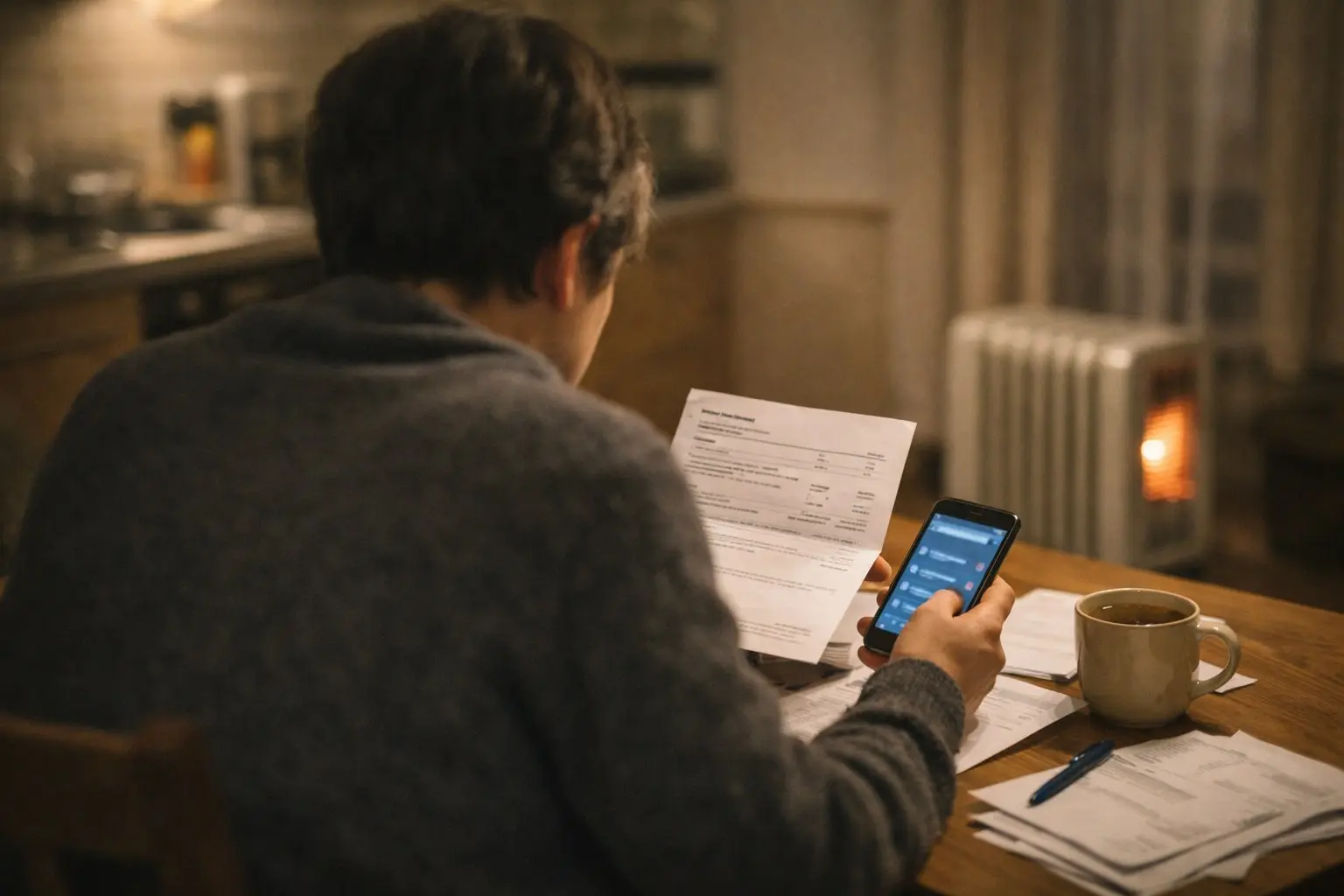
It is a familiar winter moment: you open your inbox or app and see a bill that feels out of proportion—higher than last month, higher than your budget, and with charges you do not recognise. You try to decode the lines, but the numbers do not add up. Before you panic or pay blindly, there is a structured path in every EU country to ask for a correction and, if needed, take the dispute further.
Step 1: Check the basics before you complain
- Compare periods: make sure the bill covers the same number of days as your previous bill.
- Estimated vs. actual readings: look for wording that shows whether the bill is based on an estimate. If you can, take a photo of your meter reading (date-stamped on your phone) and keep it.
- Tariff and contract: confirm you are on the plan you agreed to (fixed, variable, dynamic pricing) and check whether any price changes were communicated.
- One-off items: identify unusual charges (late fees, “adjustments”, end-of-year balancing, or a catch-up after long estimated billing).
- Household changes: note practical explanations (new appliances, heating patterns, more people at home) so you can rule them out.
Step 2: Complain to your supplier in writing and keep a record
- Write, don’t only call: send your complaint by email or the supplier’s online form so you have proof of what you asked and when.
- Ask for clarity: request a plain explanation of how the bill was calculated (readings used, tariff applied, and the dates covered).
- Request correction or recalculation: attach your meter photo(s), contract details, and any earlier bills that show the difference.
- Propose a “pay the undisputed part” approach: if only part of the bill is in dispute, say what you can pay now and what you contest.
EU guidance for consumers explicitly recognises the right to complain to the supplier and, if unresolved, to seek out-of-court dispute settlement such as an energy ombudsman. See the EU’s “Your Europe” page on complaints and dispute resolution with energy suppliers.
Step 3: Ask about payment plans and protections if you are at risk
- If you cannot pay immediately: ask for an instalment plan while the dispute is examined (and confirm it in writing).
- If you are vulnerable or in hardship: ask what “vulnerable customer” protections exist in your country (definitions and safeguards vary nationally).
- Do not ignore reminders: even if the bill is wrong, missed deadlines can complicate your position. Keep responding in writing.
EU energy rules and recent reforms have focused on clearer consumer rights and protections, including how contracts are presented and how consumers are treated during disputes. For broader context, The European Times has previously covered EU efforts to make the electricity market more consumer-friendly, including stronger protections against volatile pricing: MEPs back plans for a more affordable and consumer-friendly electricity market.
Step 4: Escalate to an independent dispute body (ombudsman/ADR)
- If the supplier’s reply is unclear or dismissive: you can take the dispute to an independent body for out-of-court resolution.
- Find the right body: EU “Your Europe” links to national contact points for energy, which can direct you to the appropriate ombudsman or dispute service for your country.
- Prepare a clear file: contract, bills, meter photos, your written complaint, and the supplier’s response (or lack of response).
EU-level information on out-of-court consumer redress is available via the Commission’s consumer redress portal: out-of-court dispute settlement (ADR).
Step 5: If it’s cross-border, use EU assistance services
- Living in one country, supplier in another: this can happen near borders or after a move. Keep all communications in writing and identify which country’s regulator supervises the supplier.
- Get guided help: the EU provides assistance service finders via “Your Europe” to help you reach the right consumer support channel.
- Consider small claims if needed: for straightforward sums, the European Small Claims Procedure can be an option in cross-border disputes (national advice services can guide you on suitability).
Step 6: Know the legal building blocks behind your rights
- EU consumer-facing guidance: “Your Europe” explains the basic pathway—supplier complaint first, then independent resolution, without losing the option to go to court later.
- EU energy market law: newer EU rules aim to strengthen consumer protection and transparency in electricity markets. One key reform instrument is Directive (EU) 2024/1711, part of the EU’s electricity market design reform package.
How many people are affected yearly?
Energy-bill disputes are hard to count EU-wide in one number, because complaint systems are national. But Eurostat figures show how widespread energy stress can be:
- 9.2% of the EU population could not afford to keep their home adequately warm in 2024, according to Eurostat.
- 9.3% of people in the EU lived in households with arrears on mortgage, rent, or utility bills in 2023, according to Eurostat’s interactive publication Housing in Europe – 2024 edition.
Across the EU, the point of these mechanisms is not only consumer convenience but legal certainty: a predictable way to challenge errors, demand clarity, and prevent vulnerable households from falling through the cracks. If your bill looks wrong, acting early—and documenting everything—usually makes the outcome fairer and faster.