Europe’s influence in global sport and culture is not a mystery of “old world charm” alone. It is the product of dense, walkable cities; a heritage map that draws travellers year-round; powerhouse competitions that travel instantly through screens; and institutions that help write the rules of modern sport. Yet Europe’s status also depends on how it answers today’s pressure points—access, inclusion, labour rights, safety, and the climate cost of mega-events.
A continent built for crowds—and quick connections
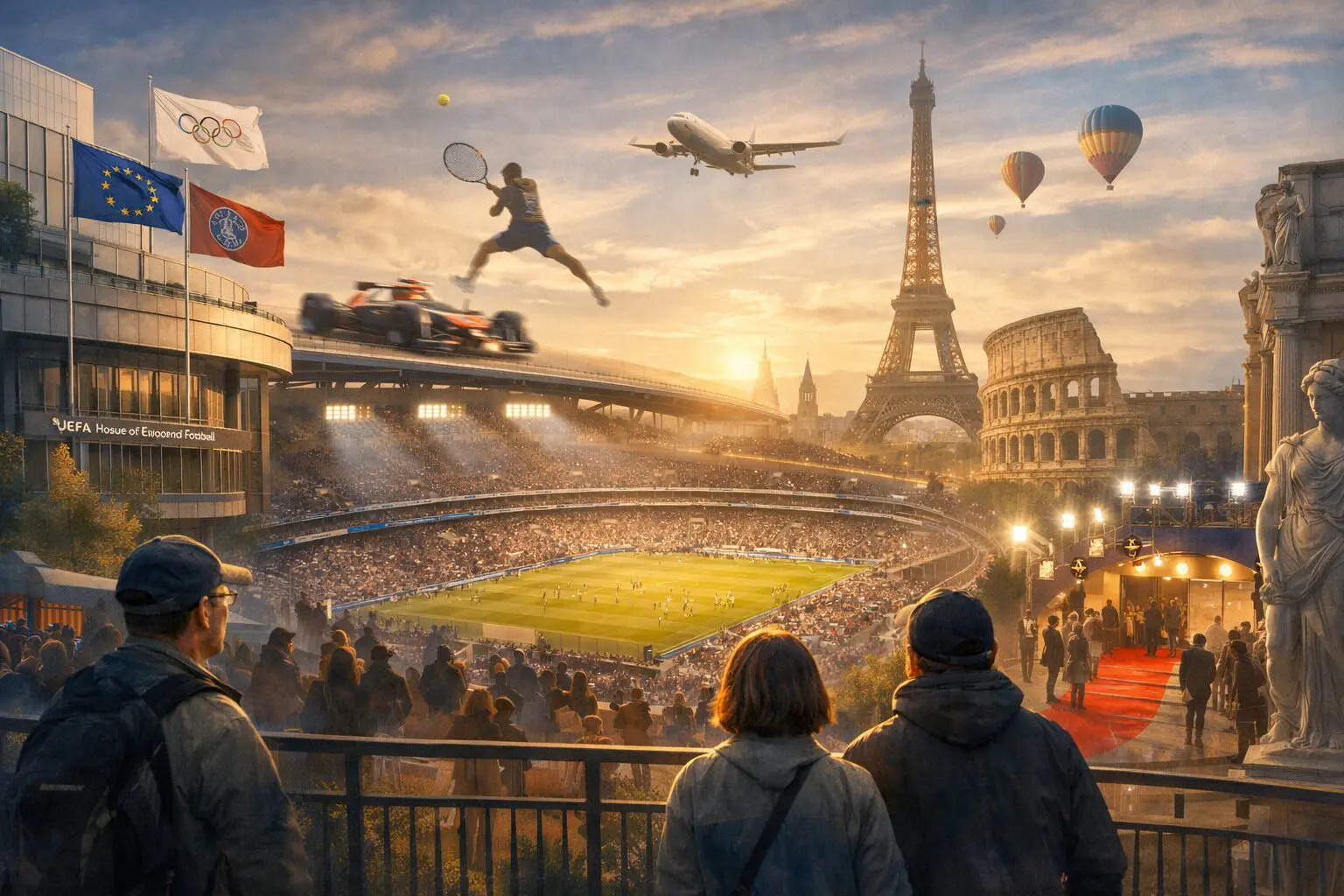
Europe is compact in a way that matters for spectacle. Rival cities and regions sit a short train ride apart; stadiums, arenas, theatres and concert halls are embedded in everyday urban life; and matchdays often spill into public squares, cafés and transit hubs. This density turns sport and culture into weekly habits rather than occasional “destination trips”—and it gives broadcasters and organisers a reliable calendar of big moments.
Public policy plays a role too. The EU treats sport not just as entertainment but as an economic and social sector—one that supports jobs, health, volunteering, and community cohesion. The European Commission notes that sport generates a meaningful share of EU GDP and backs cross-border projects through EU sport policy and Erasmus+ sport funding.
Sports that became global languages
European football is the obvious headline: domestic leagues with century-old clubs, and continental competitions that became appointment viewing from Lagos to Los Angeles. UEFA’s own reporting on its flagship national-team tournament underlines the scale of the audience Europe can generate when it hosts a major championship, turning stadium nights into a global media event.
But Europe’s sports footprint is broader than football. Tennis majors, cycling’s grand tours, rugby’s historic rivalries, Formula 1’s classic circuits, and packed indoor arenas for basketball, handball and volleyball create a layered sports ecosystem: elite competition at the top, deep grassroots beneath it, and constant “event density” in between.
Event organisation has also professionalised into a cultural industry in its own right. The Amaury Sport Organisation (A.S.O.), for example, has built a portfolio model around major events—from cycling to mass-participation races—showing how European know-how in logistics, media production and sponsorship travels across borders.
Culture that is both heritage and “live” innovation
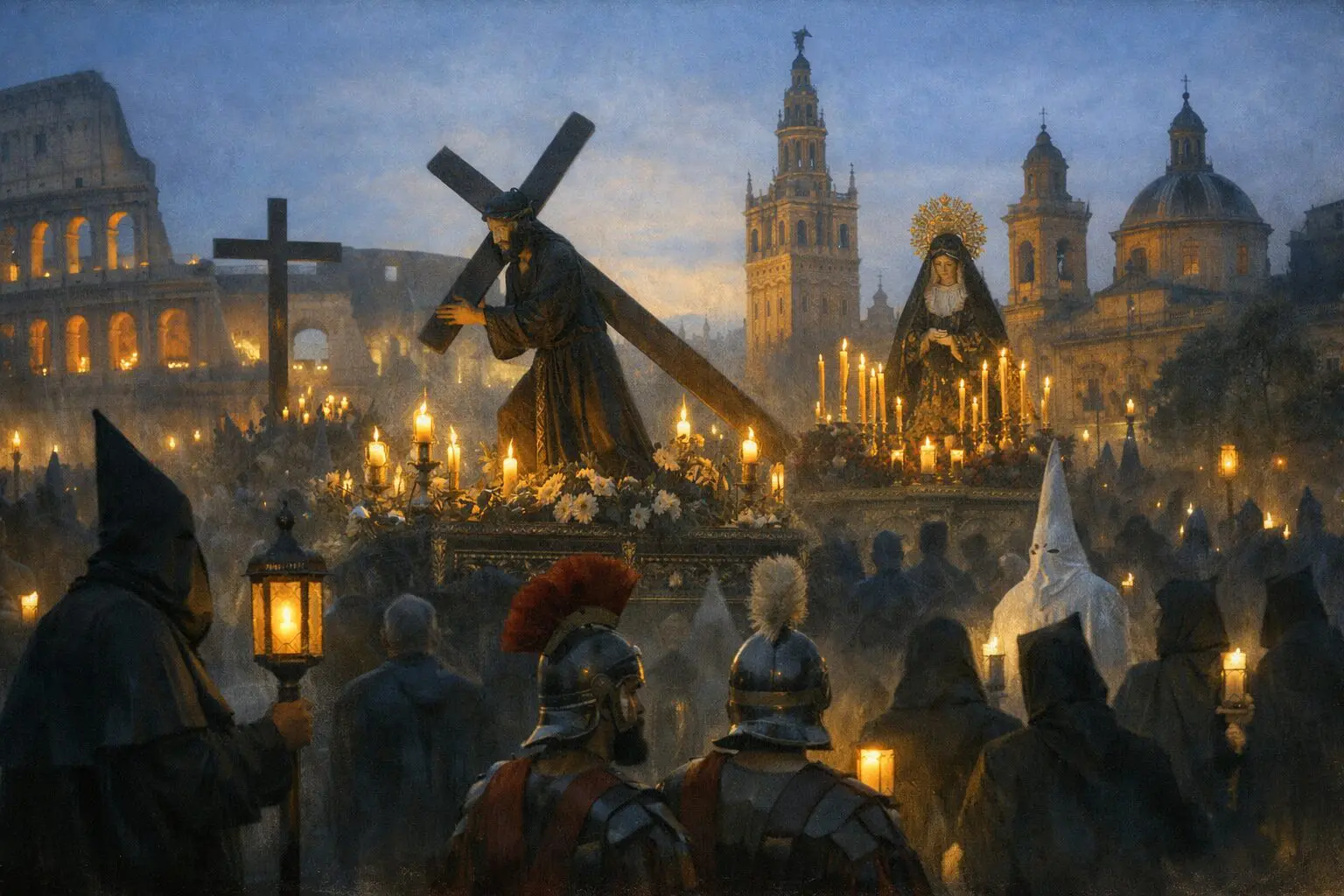
Europe’s cultural gravity comes from an unusual combination: preserved heritage and nonstop reinvention. Few regions can offer so many UNESCO-listed sites within short distances, while also hosting a continuous circuit of contemporary culture—film premieres, design weeks, book fairs, music tours and art biennales.
UNESCO’s own regional snapshot highlights how concentrated the World Heritage List is in Europe and North America, reflecting centuries of protected architecture, cultural landscapes and historic urban centres. That “heritage density” feeds tourism, education and cultural diplomacy—and it gives European cities a brand identity that often outlives political cycles.
At the same time, Europe’s modern cultural exports travel fast. Pop culture events such as Eurovision function as soft-power theatres where music, identity and politics often collide in plain sight—something The European Times has covered in its reporting on Eurovision’s evolving mix of spectacle and debate. Film remains another major lever: Berlin, Cannes and Venice shape distribution deals, reputations and awards seasons, while festivals continue to prove that culture can still fill seats at scale.
Europe also hosts the rule-makers
Europe is not only a stage; it is also a headquarters. Several major governing bodies of world sport are based on the continent, reinforcing Europe’s role as a decision centre—where regulations, integrity systems, disciplinary processes and commercial rights are negotiated.
- The IOC operates from Lausanne, centred on Olympic House.
- UEFA has long been based in Nyon, Switzerland, at its House of European Football.
- FIFA’s base in Zurich anchors football’s global administration, as shown in its own official contact and organisational information.
This matters because global sport is increasingly shaped by governance questions: who sets eligibility rules, how corruption risks are policed, how clubs and leagues share revenue, and how disciplinary bodies respond to racism, violence or hate. Europe’s institutional footprint gives it outsized influence in those debates—even when the money, ownership and audiences are worldwide.
The human-rights test behind the spectacle
Europe’s claim to be a “heart” of sport and culture rests on values as much as visibility. Big events can amplify inclusion—or expose discrimination. Stadium bans for racist conduct, safeguards for children and vulnerable adults, equal access for women’s sport, and protection of free expression in cultural spaces are not side issues; they shape legitimacy.
The same is true for labour and supply chains. From stadium construction to event staffing, European audiences are increasingly asking how workers are treated, who bears the cost of security, and whether local communities share the benefits. In football, debates about supporter rights, ownership models and the balance between tradition and commercial expansion are constant. In cultural life, tensions around censorship, political pressure and the independence of arts institutions continue to surface.
Even within Europe, the conversation is uneven: some cities invest in community access and participation, while others struggle with rising ticket prices, gentrification around venues, or underfunded local arts. Europe’s global pull endures partly because these arguments happen in public—and because courts, regulators, media and civil society often push organisers to justify decisions.
Climate, “sportswashing,” and the next decade
Finally, Europe’s status is being tested by climate and credibility. Mega-events move people, teams and equipment—often by air. Sponsorships can raise questions about “sportswashing,” especially when high-carbon industries seek reputational benefits from beloved competitions. Cycling, often marketed as a green symbol, is not immune to criticism when major events depend on controversial partnerships.
How Europe responds will shape whether it remains a global reference point: by tightening sustainability standards, improving public transport access to venues, protecting independent culture, and widening participation beyond elites. The continent’s advantage is not only history; it is the ability to turn competition and creativity into a shared civic rhythm—one that visitors can feel in the streets, and global audiences can follow in real time.