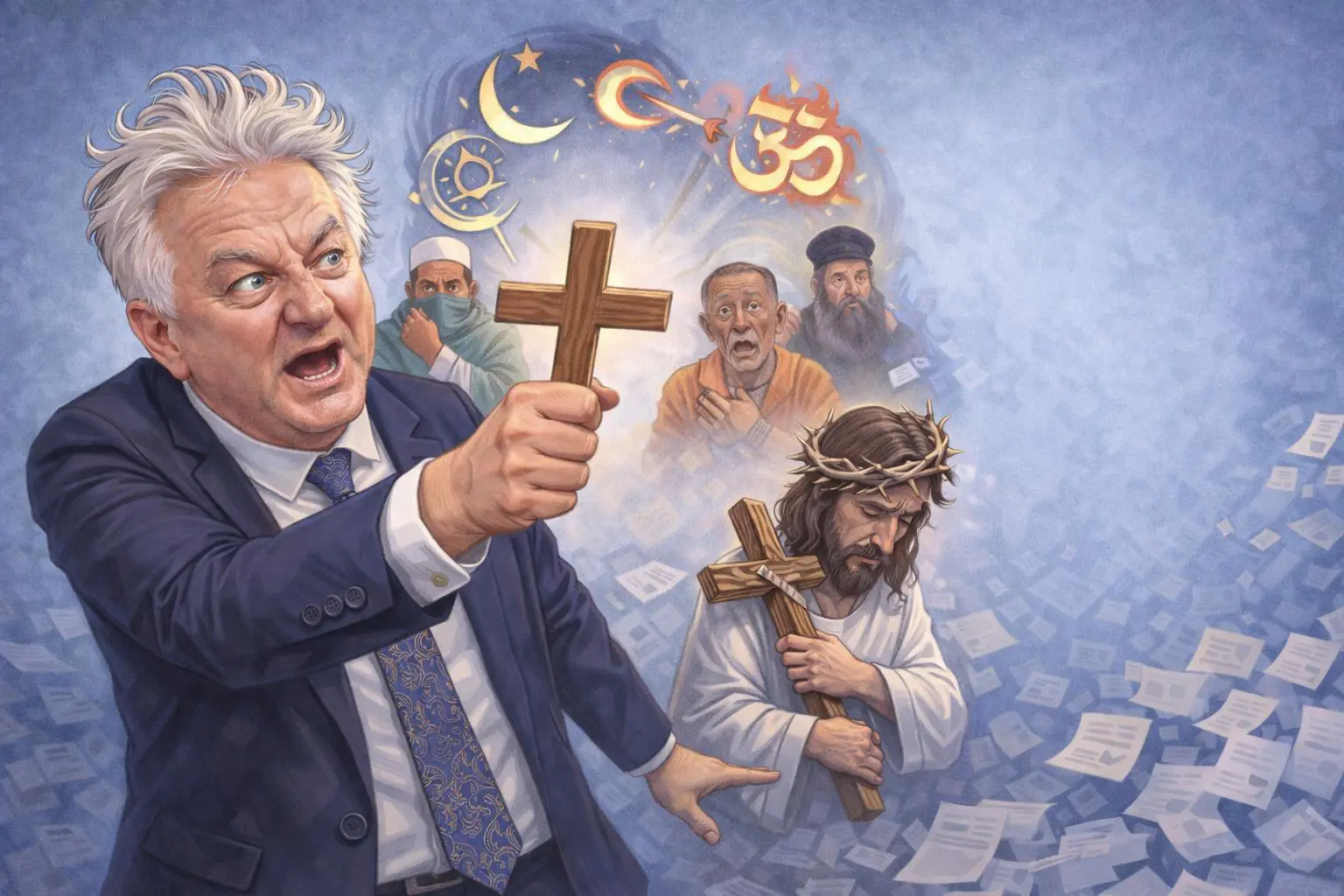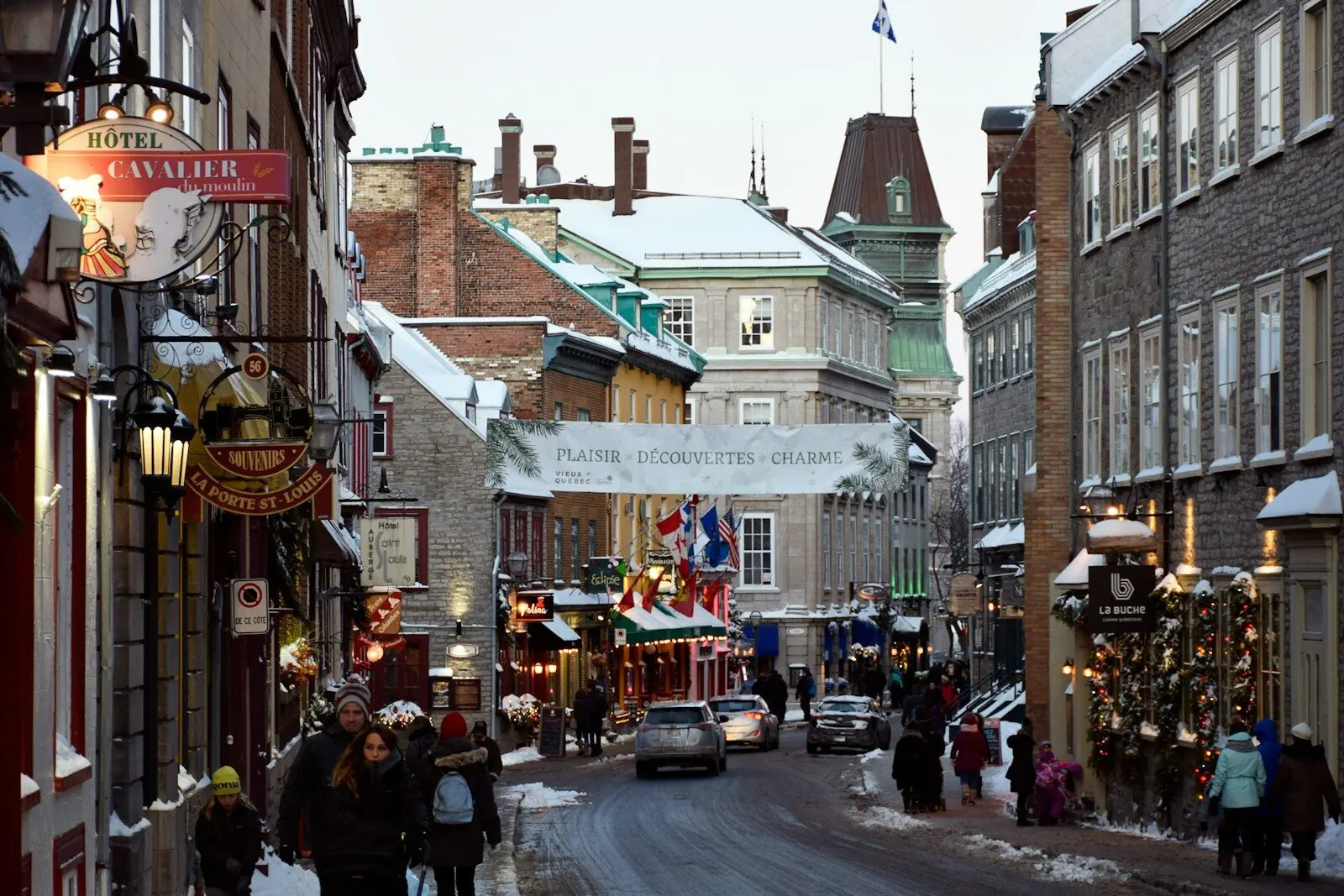
The government of Quebec, Canada’s largest province, has introduced a new bill, Bill No. 9 – The Secular State Act, which has sparked widespread public debate and criticism from religious organizations. The bill supplements existing regulations from 2017 and 2019 and expands restrictions on religious presence in the public sphere.
The bill would ban public servants from wearing visible religious symbols, including hijabs, turbans and kippahs, and large crosses; limit prayers and religious ceremonies on universities; close prayer rooms at colleges and universities starting next year; require employees in daycare centers to wear face coverings; repeal regulations related to religious premises and make menus compliant with religious requirements. The law distinguishes between “overt” and “soft” symbols that are not intrusive and are permitted for public servants.
Exceptions are provided for “elements of Quebec’s religious heritage,” which allows Catholic symbols to be interpreted as cultural rather than religious, such as the crucifix.
The government argues that the initiative is necessary to uphold the province’s religious neutrality and prevent bias in appointments based on religious affiliation.
Secularization in Quebec has deep historical roots. Until the 1960s, the Catholic Church played a leading role in education and health care. During the so-called “Quiet Revolution,” its influence declined sharply, and the state took control of key public institutions.
In recent years, the debate over secularism has intensified amid increased immigration and social tensions, including after pro-Palestinian protests on university campuses. Premier François Legault said the measures are aimed at protecting Quebec’s identity and ensuring neutrality in the public sector.
Critics of the bill argue that it disproportionately affects Muslim women working in the education system, as some religious symbols cannot be “hidden.” Some organizations define the measures as discriminatory and warn of increasing social alienation.
Other analysts believe that the initiative distracts from serious social problems such as the shortage of medical personnel and the housing crisis.
According to the 2021 census, about 145,000 people in Quebec identify as Orthodox. There are dozens of Orthodox churches and several monastic communities operating in the province. At present, there are no restrictions on religious activities in churches or on the performance of sacraments in hospitals and social institutions.
However, there are still uncertainties regarding the status of university chapels, chaplaincy services and public religious events.
Source: Public Orthodoxy