When temperatures drop and snow blankets everything outside, some cat breeds are in their element. With their fluffy coats, cold-climate adaptations, and love of winter coziness, they are perfect for the cold months. Here are a few cat breeds that seem to be made for winter.
Why are some cat breeds good at winter?
While most domestic cats seek warmth and avoid the cold, some breeds are naturally adapted to winter conditions. They originate from regions with harsh climates, where cold, snow, and moisture were part of their daily lives. As a result, they have developed a thick, layered coat with a thick undercoat that traps heat, as well as larger, hairier paws that help them move through snow without getting cold quickly. These physical characteristics, combined with a stable temperament and high adaptability, make winter more of an enjoyable season for them than a trial.
What does “a cat that loves winter” mean, and what does it not mean?
It is important to clarify that when we talk about cats that “love winter”, this does not mean that they have to live outside or spend a lot of time in snow and low temperatures. Rather, we are talking about breeds that tolerate the cold better, feel comfortable in lower temperatures and often show curiosity about the snowy environment. However, even in them, prolonged exposure to moisture, wind and ice can lead to colds, frostbite of the paws or respiratory problems. Therefore, the home remains the safest place for any cat during the winter.
So… what are these breeds?
1. Siberian cat
The Siberian cat is one of the breeds best adapted to cold climates and is often considered a symbol of resilience and endurance. Originating from the harsh regions of Russia, it has developed an impressive three-layered coat that protects it not only from low temperatures, but also from moisture and snow. Its undercoat is extremely dense, and its outer coat is slightly oily, which does not allow water to penetrate easily. This makes the Siberian cat perfectly prepared for winter conditions.
By nature, these cats are intelligent, active and surprisingly social. They love to play and move, even during the cold months, and often show curiosity about snow and cold. Siberian cats are also known for their tolerance of water well – a rare trait for cats – which further explains why they are not afraid of snow. At the same time, they are very attached to their family and love to spend time close to their owners.
2. Norwegian Forest Cat
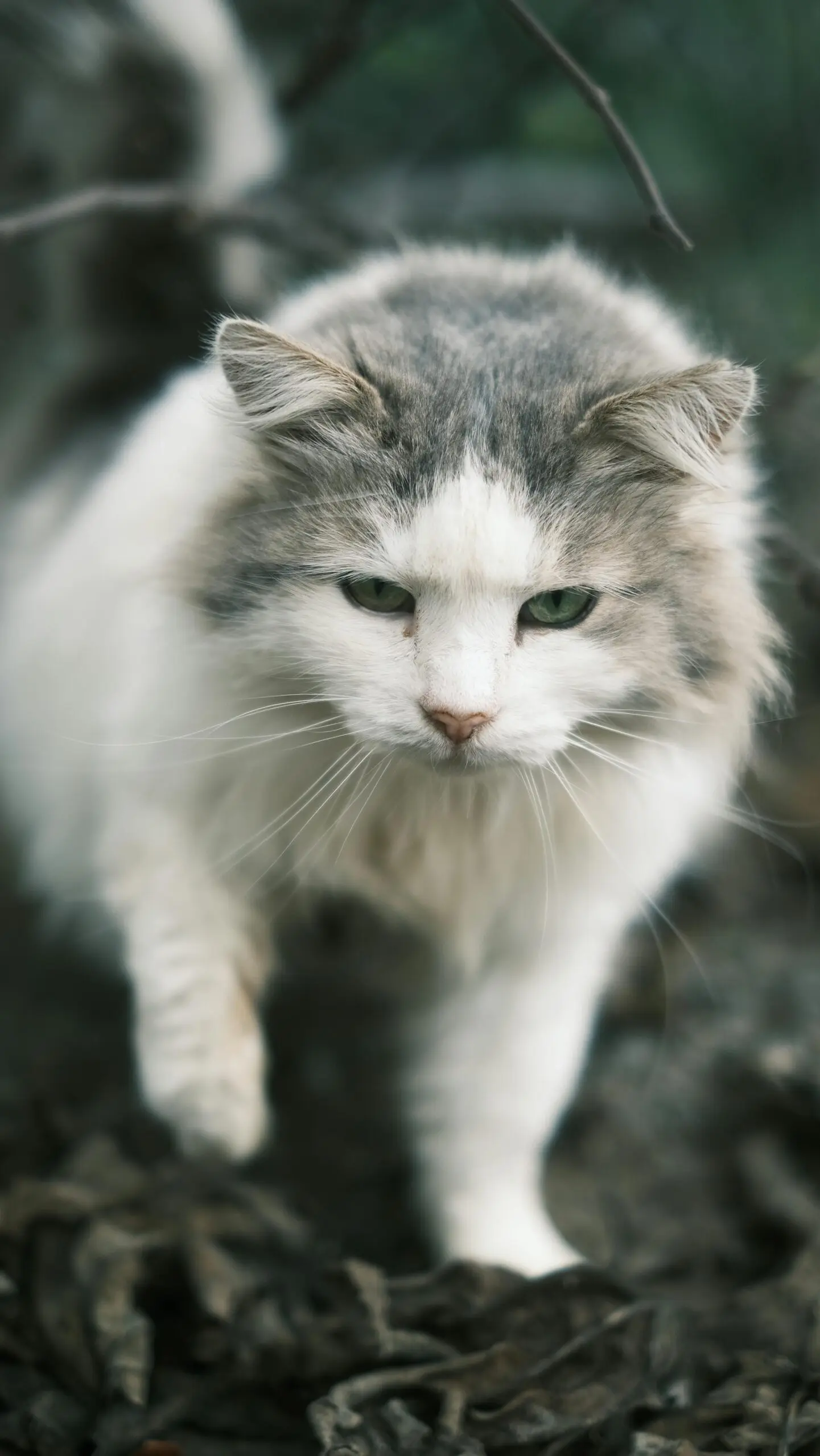
The Norwegian Forest Cat has a long history, closely linked to the cold and damp climate of Scandinavia. It is believed that this breed lived in the Norwegian forests for centuries, where they had to cope with snow, wind and low temperatures. As a result, it has developed an extremely thick, water-repellent coat and a characteristic “collar” around the neck, which provides additional protection in winter. The fur between the toes acts as natural insulation and facilitates movement in snow.
By temperament, these cats are calm but independent, while at the same time strongly attached to their home. They love to climb and observe the surroundings from a height, which is a remnant of their hunting instincts. The Norwegian Forest Cat is patient, gentle and balanced, which makes it an excellent choice for families looking for a cat with a majestic appearance and a stable character.
3. Maine Coon
The Maine Coon is one of the largest breeds of domestic cats and is not called the “gentle giant” for nothing. Originating from the cold state of Maine in the USA, this breed was created by nature to withstand harsh winters. The thick, water-repellent coat and long, fluffy tail serve as a natural means of keeping warm, especially when the cat curls up in a ball in cold weather.
Maine Coons are extremely social, intelligent, and friendly. They often follow their owners around the house and enjoy participating in daily activities. Unlike many other breeds, they are vocal in a gentle and melodious way, which adds to their charm. Maine Coons are particularly comfortable in the winter and often show interest in snowy surroundings, as long as the conditions are safe.
4. Ragamuffin
The Ragamuffin is a breed that was not specifically designed for extreme cold, but it still does well in the winter thanks to its thick, soft coat. It is silky to the touch and does not mat easily, making it relatively easy to maintain during the cold months. Ragamuffins prefer a stable, warm environment, but do not mind lower temperatures in the home.
By nature, these cats are extremely gentle, calm and affectionate. They love human company and often seek contact, which makes them ideal for long winter evenings at home. Ragamuffins are known for their patience and gentle temperament, which makes them an excellent choice for families with children or for people looking for a companion cat that loves comfort and tranquility.
5. British Longhair
British long-haired cat combines an elegant appearance with a calm and even-tempered character. Its thick and plush coat provides good insulation during the colder months, although it is not an active snow lover. This breed prefers the stable comfort of home and feels best in a warm and predictable environment.
British long-haired cats are independent but loyal to their owners. They are not intrusive, but they love attention and tender moments of closeness. In winter, they can often be found nestled in a soft place, watching the world from afar. Their unpretentiousness and adaptability make them an excellent choice for people who want a calm and stylish pet during the cold months.
Winter care for cats with thick fur
Cats with long and thick fur need special care during the winter season, despite their natural protection. More frequent brushing is essential as the coat becomes thicker and more prone to matting during the colder months, especially around the belly and behind the ears. If your cat has access to the outdoors, snow and moisture can get trapped in the coat and lead to chills. In heated homes, dry air can cause dry skin and dandruff, so providing plenty of water and, if possible, humidifying the air is a useful preventative measure.
Feeding and activity in cats during the colder months
Many cats become less active during the winter, which can lead to weight gain, especially in pets that spend more time indoors. At the same time, cats that go outside or are more active may use more energy to maintain their body temperature. A balanced diet tailored to your cat’s lifestyle is key. Indoor games, climbing frames, and interactive toys help keep your cat physically and mentally active, even when it’s cold outside.
What’s important to know about winter cats?
Even breeds that are adapted to cold weather need to be protected from extreme conditions. Provide them with a warm, dry place when temperatures are low, and maintain their fur to keep it healthy.
Illustration: Norwegian Forest Cat. Photo by DANNIEL CORBIT: https://www.pexels.com/photo/cat-in-a-forest-18266238/