
Over the last five years, the debate on medical errors in Europe has gained a lot of visibility. It is not a minor issue: it affects millions of patients and represents a structural challenge for European health systems.
medical errors They can occur in a poor prescription of medications, in an erroneous dispensation and in poor preparation. (a few days ago the case of a Spanish hospital was published where some patients had died due to the poor preparation of an anti-cancer drug), as well as in its administration. Many of these errors occur in the same diagnosis (read the case that accompanies this small report about an Italian woman who was receiving chemotherapy for four years, without having cancer)and of course in the application of clinical procedures. Errors in medication, according to various studies, as well as in diagnosis, tend to be by far the most studied.
The EMA (the European Medicines Agency) has pointed out in various reports that errors in the pharmacological process are the main preventable cause of adverse effects. Sometimes, drugs are even prescribed whose contraindications are usually almost as harmful as the disease itself that is to be treated, such is the case of antidepressants, which are prescribed as if they were candy in the most diverse circumstances. These disorders or medical errors, in addition to generating a notable deterioration in the health of those who suffer from them, usually also entail an economic cost for the entire society in general and the health system in particular.
In 2025organizations such as the Word Patients Alliance and the European Patients Safety Foundation highlighted that medical errors are persistent in Europe. Recommending greater control, based on the premises of greater transparency, that is, bringing these errors to light in order to be able to work in the appropriate direction so that they are not committed again; create a data bank (digitization of the same) with the purpose of carrying out studies and observing the areas where they are occurring in order to intervene and finally try to establish a safety culture in doctors, which is generally lacking today. The lack of assumption of personal responsibility, the generalized ego of doctors and their lack, at times, of having a certain empathy with the patient, mean that public opinion is losing its faith in a health system, which, although saturated, should not be less efficient. Of course, I do not forget the politicians of the different European health structures, who do not fully understand that health care is an inalienable right and that therefore it must be subject at all times to the inspection of public opinion, not to the arbitrary decisions of the various groups that, on many occasions controlled by the pharmaceutical industry, set the pace for those who have the obligation to serve those who pay them with their taxes.

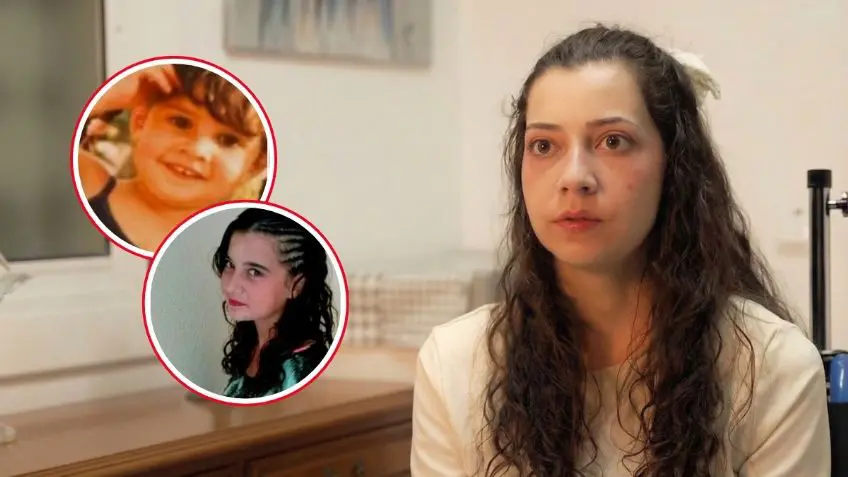
The case of the woman who received four years of chemotherapy without having cancer.
In 2006, a 47-year-old Italian woman went to the Volterra Hospital for a routine orthopedic intervention. During preoperative tests, doctors detected an alteration in his white blood cell count, which led to stopping surgery and referring tests to the University Hospital of Pisa. After several bone marrow and intestinal biopsies, specialists diagnosed him with a Malt type non-Hodgkins lymphoma, a cancer supposedly located in the intestine.
From said diagnosis, the woman was subjected to four years of intensive chemotherapy, while he was given corticosteroids and another series of aggressive oncological treatments; All of this caused a drastic reduction in his work, social and emotional performance. He lost his driving license, which caused him another series of problems derived from each other.
Years later, in a routine review, they showed that there had never been real evidence of such lymphoma. The initial diagnosis was clearly incorrect. Finally, years later and much litigation, the Court of Appeal of Florence reviewed the case and determined that there was medical malpractice. He ended up receiving financial compensation of 500,000 euros and a high degree (60%) of permanent disability. The court determined that the hospital acted without due diligence and that the treatments were unjustified.
I always recommend reading the information that each medication gives us and when in doubt about contraindications, ask the doctor a thousand times, as many times as necessary until you are fully satisfied with the answers. As I always say, we risk our health.
Originally published at LaDamadeElche.com