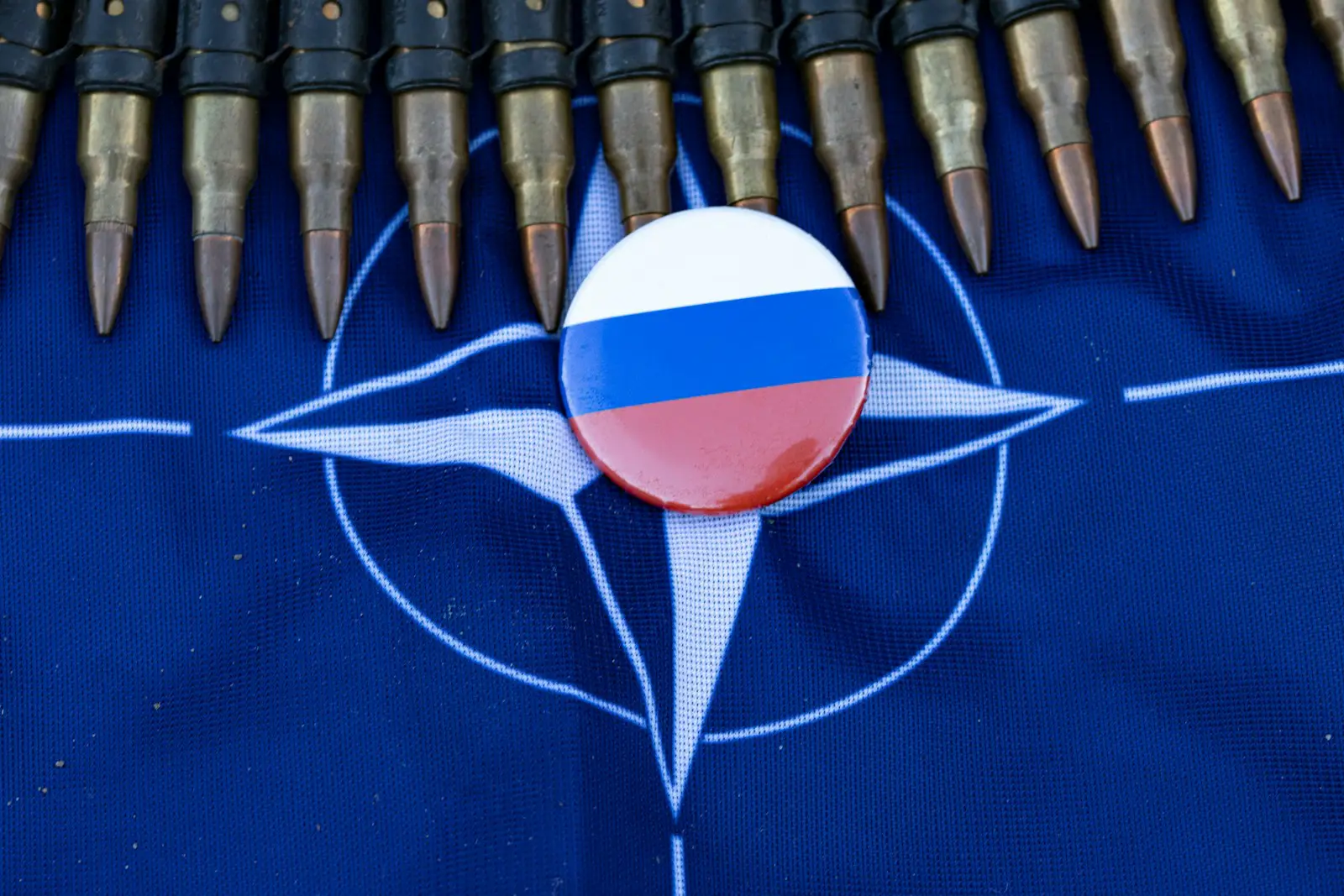
Brussels, 6 December 2025 – Russia has unilaterally terminated three longstanding military cooperation agreements with Portugal, France, and Canada, marking a decisive end to post-Cold War détente efforts and escalating tensions with NATO states backing the use of Moscow’s frozen assets for Ukraine, according to Euronews and Izvestia.
These pacts, dating from 1989 to 2000, once symbolized thawing East-West relations but now fall victim to Russia’s view that they lack “strategic relevance” in light of current geopolitical fractures, Euronews reports. The move, formalized by a decree from Prime Minister Mikhail Mishustin and published on 5 December, directs Russia’s Foreign Ministry to notify the affected governments, further isolating Moscow from Western security frameworks, according to Izvestia.
Historical Context of the Agreements
The agreements trace back to an era of optimism following the Soviet Union’s collapse. The 1989 USSR-Canada deal on reciprocal military visits emerged mere weeks after the Berlin Wall’s fall, as Mikhail Gorbachev sought bridges with the West, Euronews notes. France’s 1994 pact reflected Boris Yeltsin’s ambitions to embed Russia in European security, including crisis consultations and a “network of peace and solidarity,” while Portugal’s 2000 agreement capped a fruitful bilateral period marked by high-level exchanges, despite Lisbon’s NATO role, the same source details.
This termination echoes July’s cancellation of a 1996 Germany accord, where Moscow decried Berlin’s “hostile policy” and “militaristic aspirations.” Meanwhile, Russia ratified a new military pact with India on 2 December, easing troop and warship movements to bolster non-Western alliances, Izvestia reports.
Link to Frozen Russian Assets and EU Proposals
The timing aligns with EU debates over €210 billion in immobilized Russian state assets, mostly at Belgium’s Euroclear, to fund Ukraine loans amid its war-ravaged economy, Euronews explains. Portugal and France endorse European Commission plans for a “reparations loan” potentially unlocking €90 billion ($105 billion), covering two-thirds of Kyiv’s projected 2026-2029 financing gap, according to ABC News and The Independent. Canada, holding separate frozen funds, aligns with this Western push.
Russia frames these assets—totaling €290 billion across the West—as potential “casus belli,” with Dmitry Medvedev warning of retaliation, including real reparations from “fallen foes,” CNBC reports. Euroclear voices legal risks, fearing confiscation claims under international law, The Guardian notes.
Broader NATO-Russia Rift
Since 2014, NATO has suspended practical cooperation with Russia over Ukraine, retaining only diplomatic channels, the Atlantic Council documents. Putin’s Kremlin accuses the alliance of eastward expansion, fueling the 2022 invasion—a claim echoed in leaked US-Russia peace talks demanding Ukraine’s NATO bar, Euronews reports. This latest step deepens the chasm, as NATO allies like Secretary-General Mark Rutte secure pledges exceeding $4 billion for Ukraine’s defenses.
For European Times readers tracking EU governance and institutional dialogue, this signals hardening lines ahead of winter, with frozen assets tests looming in Brussels. Ukraine’s reliance on Western aid persists, as Moscow pivots eastward, The Guardian warns.