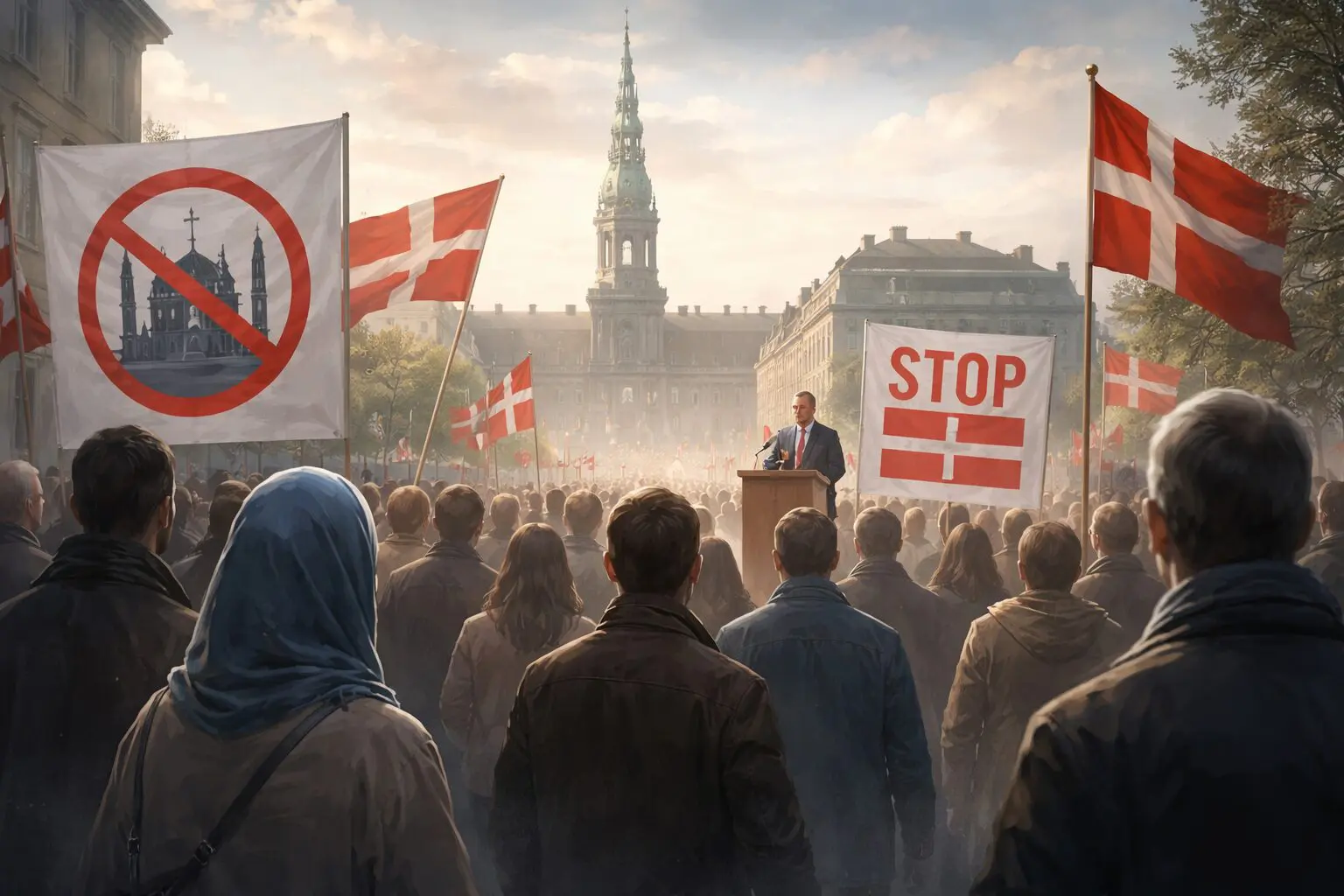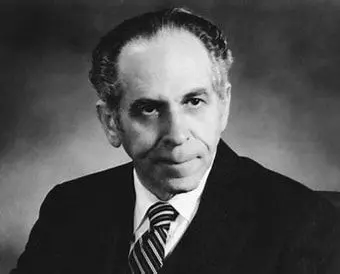
Thomas Szasz was a Hungarian-American psychiatrist and academic, born in 1920, who died in 2012. Throughout his life, he was known primarily for his fervent criticism (often radical) of traditional psychiatry and, by extension, a loving defender of individual freedom, against state intervention in mental health issues. This interference, from political organizations and from the state itself, is being seen again, after COVID, in many European countries.
Szasz stated (…) The notion of mental illness is used today above all to confuse and “skilfully justify” existing problems in personal and social relationships, just as the notion of witchcraft was used for the same purpose from the beginning of the Middle Ages until well after the Renaissance.
We neophytes could understand that Szasz, as a psychiatrist, could categorically affirm that many of his colleagues were much closer to inquisitors than to true doctors interested in safeguarding human health.
His main ideas, with which he wanted to contribute a different point of view, were always taken into account by other colleagues at different times in his life.
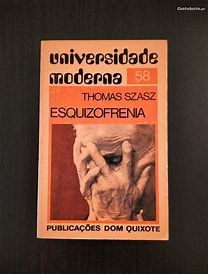
Szasz criticized the concept of “mental illness” and maintained that the so-called mental illnesses They weren’t real illnesses. in the strictest medical sense, since no specific biological injuries or dysfunctions could be demonstrated. For this psychiatrist, these diseases were rather life problems, personal or social conflicts and nothing more, which were sometimes expressed through behaviors allegedly considered deviant by clever conclaves of psychiatrists or interests of Big Industry.
In 1961, he published The Myth of Mental Illness, where he argued, more than 60 years ago psychiatry used the notion of mental illness to control socially undesirable behaviors (search on the internet for psychiatry and Nazism, psychiatry and communism, or psychiatry and fascism, among others)to thus justify coercion of people, such as involuntary confinement or forced treatment. Something that literature and cinema have portrayed over the years in a spectacular way.
Of course, throughout his career THOMAS SZASZ has permanently criticized and rejected the use of psychiatric power to hospitalize or medicate people without their consent, something that continues to be done today in different parts of the world, which is a clear violation of the most basic human rights. Szasz defended that people, all people, including those whose psychiatric diagnosis could be considered serious, should be treated as people morally and ethically responsible for their actions, not as patients devoid of will.
Of course, his perception of psychiatry had two different aspects. On the one hand, his thoughts influenced the movement anti psychiatric of the 60s and 70s (along with figures such as RDLaing or Michel Foucault), although Szasz himself always stated that he did not feel identified with said movement. On the other hand, his figure was never free of controversy and criticism for minimizing suffering and the biological bases of mental disorders. A perception that towards the end of his life he modified, due to neurological advances that permanently confirmed, without giving wings to psychiatry, that many human behaviors were nothing other than produced by biological deficiencies of our organism.
Ex: a person incapable of secreting SEROTONIN is very likely to generate suicidal behavior or behavior tending towards it; something easy to solve by taking some chemical compound that contains the daily dose of said substance. If said person is not diagnosed in a timely manner, they will most likely end up committing “something crazy.” Who would we blame for his act?
According to the previous example, whenever we talk about suicide in ordinary life, I miss the possibility of being able to analyze the medication, in most cases anxiolytics or antidepressants, which on some occasions already publishes that in its own contraindications, said medication can affect suicidal ideas. That being said, it is very clear that medications do not kill, except on occasions in which they are misused.
Thomas Szasz’s contribution throughout his life was extensive and varied, always delving into the rights of patients and the ethical duties of psychiatrists. Then COVID arrived and the idea was re-imposed that the state and doctors, whether they are psychiatrists or not, can violate our rights for the greater good. All the work of Szasz and others like him suffered an enormous setback from which we will most likely never recover.
Originally published at LaDamadeElche.com