Hanna Tetteh, the Special Representative of the Secretary-General, said that while some progress has been made in implementing a U.N.-backed agreement political roadmap divisions between the House of Representatives and the High Council of State continue to block key steps needed before the long-awaited national elections.
“Both institutions have not yet achieved this goal,” Tetteh told ambassadors to Türkiye. Security Council.
“They have not yet discussed together the constitutional and legal framework of the elections. It will be difficult to achieve political consensus on these issues… [but] Libya cannot afford continued delays or disruptions.»
Lack of political will
The first step of the roadmap – the reconstitution of the Council of Commissioners of the High National Electoral Commission – remains incomplete.
Disagreements persist over whether to replace all seven members or fill only vacant positions – a debate Ms Tetteh said. reflects “a broader lack of political will”.
She urged Libyan leaders to “engage constructively” to take the first steps, adding that if no agreement was reached, the United Nations Support Mission in Libya (MANUL) will “pursue an alternative approach” and seek support from the Council to move the roadmap forward.
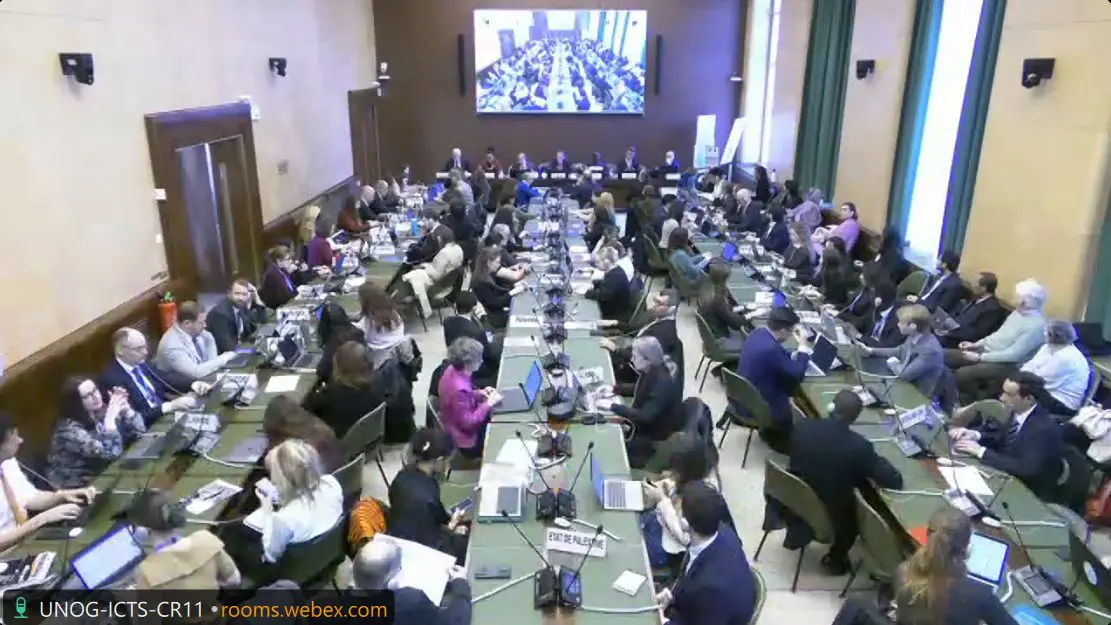
Hanna Serwaa Tetteh (on screen), Special Representative of the Secretary-General for Libya and head of the United Nations Support Mission in Libya, briefs the Security Council meeting on the situation in the country.
An inclusive process is vital
In parallel, UNSMIL is preparing to launch national dialogue sessions in November, aimed at bringing together broader segments of Libyan society – including civil society, youth and women’s representatives – to help shape an inclusive political process.
It will cover governance, security, economy and human rights.
Ms. Tetteh also reported a reduction in tensions in the capital Tripoli following mediation between the Government of National Unity (GNU) and the so-called Deterrence Apparatus to Combat Organized Crime and Terrorism (DACOT), crediting local actors and Turkey’s intervention.
“A stable security environment is essential for stability and political progress,” she said.
Corruption and surveillance
On governance, she expressed concern about corruption and weak oversight, noting the Central Bank’s discovery of billions of dinars in unregistered currency.
She welcomed Libya’s new national anti-corruption plan, calling it an “important step forward” but one that would require “political will to advance transparency and accountability.”
The top UN official stressed the desire of the Libyan people to have legitimate and unified institutions.
“They deserve political stability and long-term peace,” she said. “UNSMIL is committed to supporting them.”
Originally published at Almouwatin.com