In the spring of 2021, federal agents raided a Hindu temple construction site in Robbinsville, New Jersey. The headlines that followed were swift, global, and damning. Readers were told of “slave labor,” “passport confiscations,” and “sect leaders” accused of trapping poor Indian workers inside a temple compound. Before any charges were filed, a verdict had already been rendered — in the court of public opinion. Four years later, the Justice Department quietly dropped the investigation. No one was charged. Yet the damage — reputational, cultural, and spiritual — had already been done.
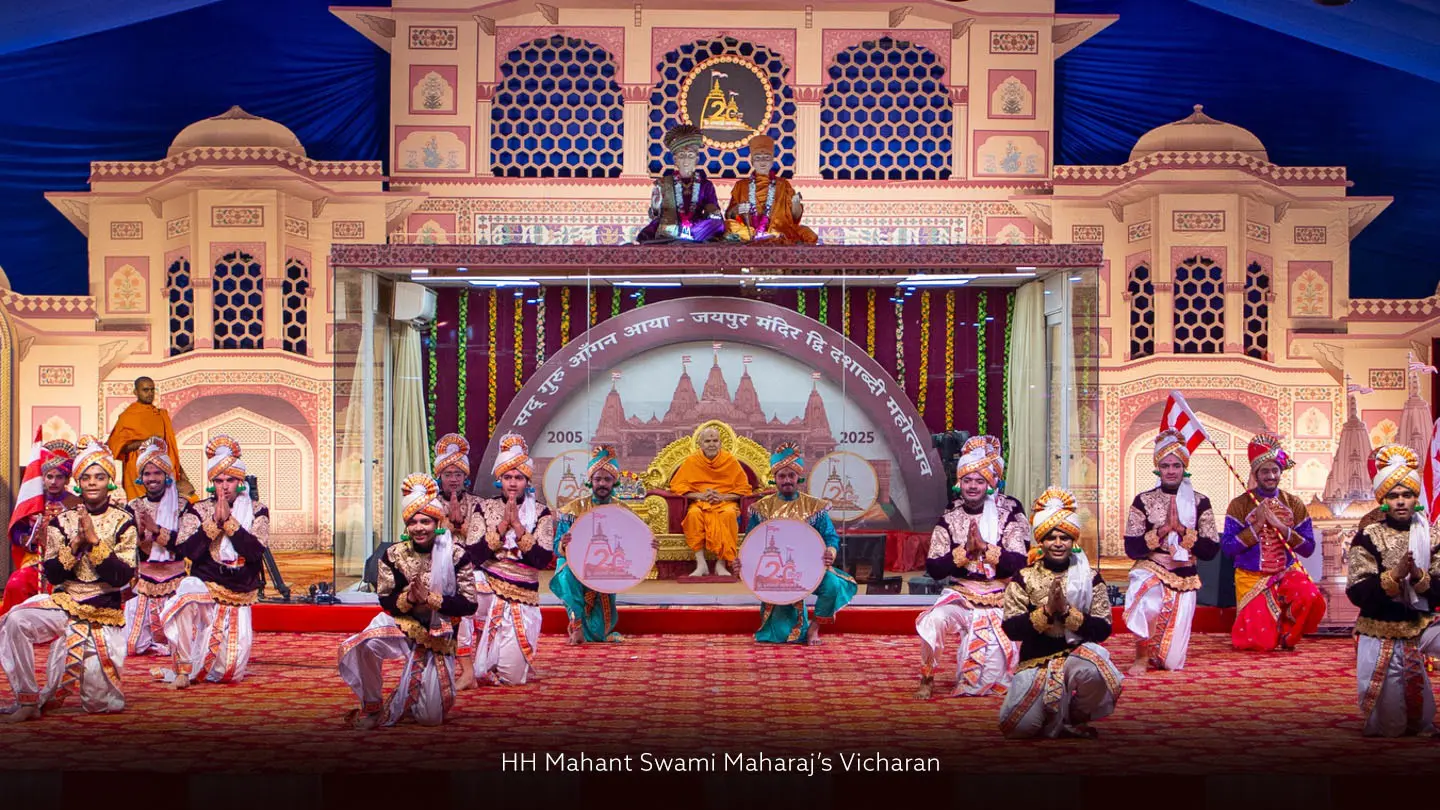
The case centered on the Bochasanwasi Akshar Purushottam Swaminarayan Sanstha, or BAPS, one of the world’s largest Hindu organizations, known for its temples, humanitarian work, and disciplined devotional communities. The accusations were grave: that Indian workers helping to build the ornate Swaminarayan Akshardham temple had been exploited, their passports seized, their movements restricted. The allegations deserved examination. But as Freedom Magazine recently documented, the coverage quickly crossed a line from reporting to moral indictment.
Major outlets cast BAPS as a “sect” and its spiritual leaders as oppressors. Headlines used the language of trafficking and slavery without qualification. Few stories noted that the lawsuit against BAPS was civil, not criminal, or that many workers were lifelong devotees who viewed their labor as religious service. Fewer still acknowledged that the volunteers’ legal immigration status was not in dispute. What should have been a nuanced investigation into working conditions became a morality play about a foreign faith.
Over time, key details unraveled. According to Freedom Magazine, twelve of the original plaintiffs withdrew from the class-action suit, stating they had been misled by attorneys into signing documents they didn’t fully understand. The federal investigation, after four years, ended without charges. The media outlets that had framed the temple as a scene of modern slavery offered no corrections, no apologies, and in most cases, no follow-up stories at all.
This pattern is not new. When the faith in question is Hindu, Muslim, Sikh, or Scientologist, journalists often reach for a different vocabulary — “sect,” “cult,” “insular,” “hierarchical.” These words signal suspicion and otherness. They carry centuries of cultural baggage. And in the process, they erase the complexity of living religious traditions that fall outside Western familiarity.
To be clear, religious institutions are not above scrutiny. They should be investigated when wrongdoing is alleged. But scrutiny is not the same as scorn. Fairness means recognizing that “innocent until proven guilty” applies as much to temples and churches as to individuals. It means avoiding headlines that assume guilt before facts have been tested. It means acknowledging, at the very least, when the facts no longer support the narrative.
The BAPS case reveals a deeper problem: when journalism confuses rumors or allegations with certainty, and when moral framing replaces factual reporting, the truth becomes collateral damage. A raid becomes a conviction; a community becomes a caricature. For the Hindu-American diaspora, which already faces cultural misunderstanding, the consequences are profound — a reminder that even in a pluralistic society, some faiths remain more “suspect” than others.
The Coalition of Hindus of North America called the government’s decision to drop the case “a victory for truth,” but the victory is bittersweet. The false impressions remain, fossilized in digital archives and search results. The media, having moved on, leaves communities to pick up the pieces of their reputations.
If this episode holds any lesson, it is not just about one temple in New Jersey, but about the state of our public discourse. In an age of instant outrage, journalists must remember that accuracy is not an obstacle to justice; it is its foundation. The right to be judged on facts, not fear, belongs to every faith, every culture, and every community — no matter what language its prayers are spoken in.