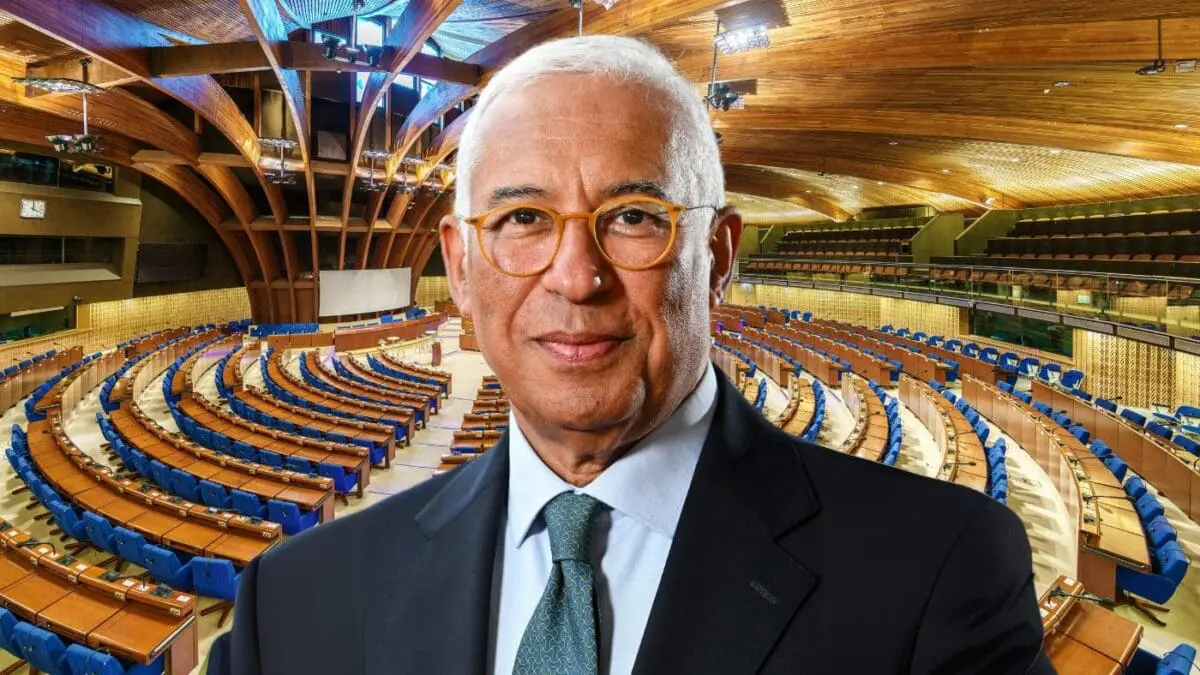
In a significant visit to Sarajevo, President of the European Council António Costa reiterated the European Union’s unwavering support for Bosnia and Herzegovina’s European future , while expressing concern over recent developments threatening the country’s unity and stability. His remarks came during a joint press conference with the Presidency of Bosnia and Herzegovina on Friday, May 14, 2025 — a date marking the 30th anniversary of the Srebrenica genocide and the Dayton/Paris Agreement , both pivotal moments in the region’s history.
A Timely Message of Solidarity
President Costa opened his statement by thanking the Bosnian leadership for their hospitality and emphasized the symbolic importance of his visit:
“The European Union remains committed to the European future of Bosnia and Herzegovina. And this year, on the 30th anniversary of the Srebrenica genocide and the Dayton/Paris agreement, I believe that this is an important message to remember.”
His words served not only as a reaffirmation of EU support but also as a reminder of the fragile peace that has held since the end of the war in 1995 — a peace the EU continues to safeguard through political engagement and operational presence.
Addressing Rising Tensions in Republika Srpska
A central theme of President Costa’s address was his concern over secessionist rhetoric and actions emanating from Republika Srpska , one of Bosnia and Herzegovina’s two entities. He made it clear that such moves are incompatible with the country’s path toward EU membership:
“Secessionist rhetoric and actions against its territorial integrity, sovereignty, and constitutional order run counter to the European Union path of Bosnia and Herzegovina.”
He urged political leaders at all levels to prioritize national unity and work together to de-escalate tensions, emphasizing that stability and security must remain the top priority for all citizens .
Clear Conditions for Progress
President Costa laid out specific steps necessary for Bosnia and Herzegovina to move forward on its EU integration path:
- The urgent adoption of two judicial laws ,
- The appointment of a chief EU accession negotiator ,
- The approval of a comprehensive reform agenda .
Failure to meet these conditions, he warned, would come at a cost — particularly for the people of Bosnia and Herzegovina, who currently do not benefit from the EU’s Growth Plan for the Western Balkans , unlike other regional partners.
“There is a great cost for your country, for the citizens from Bosnia and Herzegovina, if the opportunities offered by the European Union are not seized,” he said, highlighting both the political and economic stakes involved.
Bosnia Deserves the Full Benefits of EU Partnership
Costa expressed hope that Bosnia and Herzegovina would soon join its Western Balkans neighbors in accessing the full range of benefits offered by the EU — including financial assistance, technical support, and deeper integration into European markets.
“I would like to see Bosnia and Herzegovina joining the other Western Balkans partners in profiting from all that the European Union has to offer.”
EU’s Presence on the Ground
During his visit, President Costa also met with troops serving under Operation EUFOR Althea , the EU-led military mission in Bosnia and Herzegovina. He praised their role in maintaining peace and supporting local authorities in ensuring a safe environment for all communities.
“Operation EUFOR Althea shows concretely the European Union’s readiness to help ensure peace and stability in the region.”
This visible commitment reinforces the EU’s long-term strategic interest in preserving stability in the Western Balkans — a region still recovering from past conflicts and facing new geopolitical pressures.
A Call for Leadership and Unity
In closing, President Costa reminded Bosnian leaders of their critical responsibility:
“They have a crucial role to play in maintaining stability and security for the benefit of the population, and a crucial responsibility as well.”
With strong political will and continued EU support, Bosnia and Herzegovina can overcome current challenges and take its rightful place within the European family.