A market study publicised on EINPresswire on 2 February 2022 says the global sugarcane juice market was valued at US$138.09 million in 2021 and is projected to reach US$233.61 million by 2028, implying a 7.8% compound annual growth rate (CAGR) over 2021–2028. The report argues that rising interest in “natural” beverages, expanding packaged formats, and a faster-growing organic segment could support demand, even as COVID-19 disruptions reshaped food-and-drink supply chains.
From street staple to packaged product
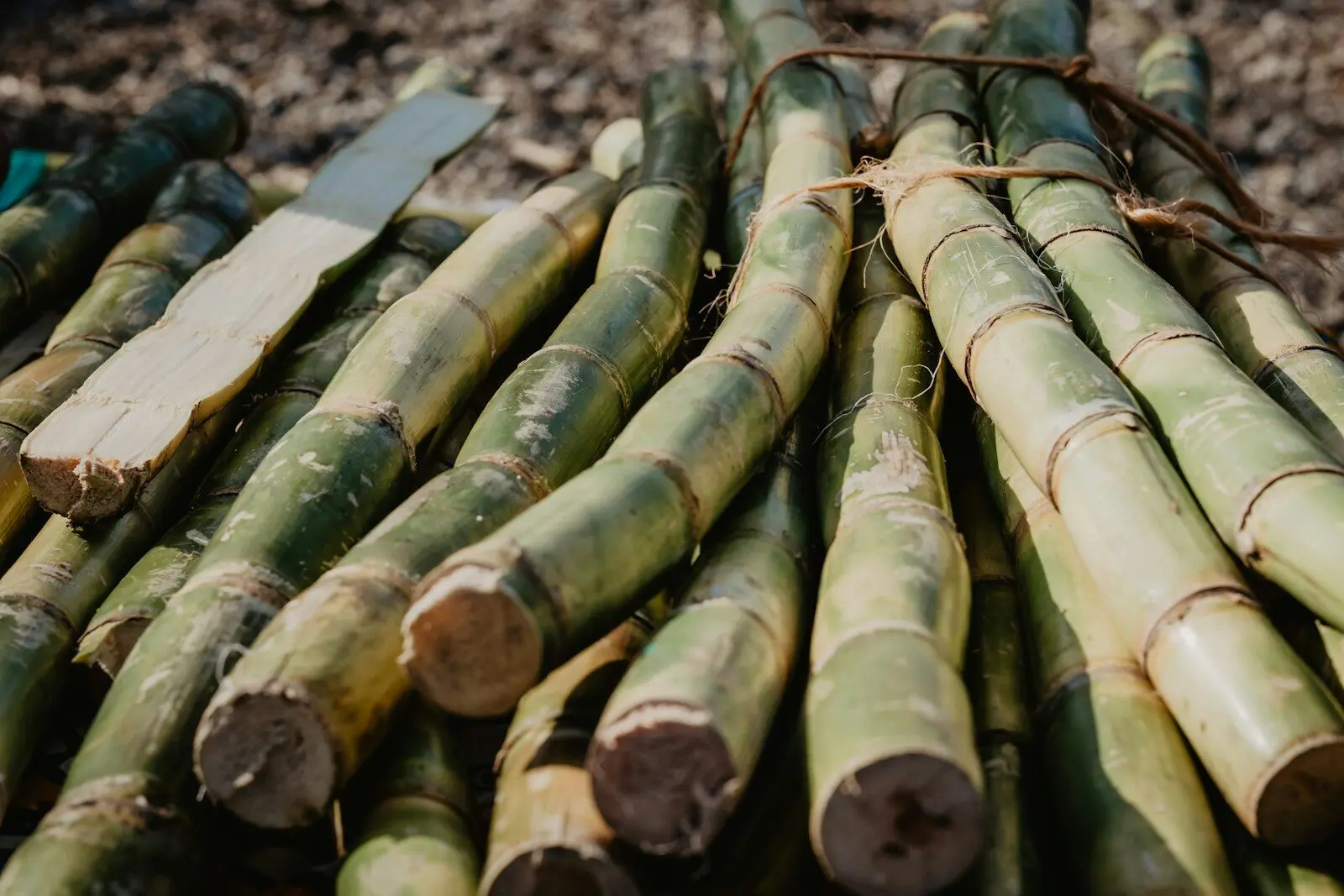
Sugarcane juice is traditionally consumed across many Asian markets, typically extracted by pressing sugarcane stalks through a mechanical juicer. The 2022 report notes that packaged sugarcane juice is commonly pasteurised to reduce pathogen growth, while some producers also use high-pressure processing as a cold-extraction approach.
In its market segmentation, the study divides the category by product type (organic vs. conventional), packaging (bottles, cans, and other formats), and distribution channels (including supermarkets/hypermarkets, convenience stores, online retail, and others). A sample of the report was promoted via The Insight Partners’ page: Sugarcane Juice Market sample (TIPRE00021835).
Health claims are central to the market narrative
The press release accompanying the report places strong emphasis on consumer health perceptions. It cites nutritional figures for a 240 ml serving—180 calories and 30 grams of sugar—and describes sugarcane juice as containing dietary fibre and a range of minerals and vitamins. It also claims benefits ranging from digestion support to “immunity strengthening,” attributing part of the market’s momentum to growing public awareness and advice from health professionals.
Those claims, while widely used in beverage marketing, are presented in the release as key drivers of consumer interest rather than as independently verified clinical conclusions. The report’s framing reflects a broader trend in functional and “better-for-you” drinks, where product positioning can influence demand as much as taste, convenience, or price.
COVID-19 disruption, but also a demand shift
According to the release, the pandemic created operational headwinds across the food-and-beverage sector—lockdowns, border restrictions, and factory shutdowns affecting production and distribution. At the same time, it argues that sugarcane juice gained additional attention due to “immunity-boosting” positioning, including references to antioxidants and vitamin C, and claims about relief for sore throat, cold, or flu symptoms.
The Insight Partners also promoted a COVID-19-focused sample page for the same report: COVID-19 analysis sample (TIPRE00021835).
Organic segment flagged as fastest-growing
By category, the report states that conventional sugarcane juice held the largest share in 2020, while organic sugarcane juice is expected to expand at the fastest CAGR through 2028. The press release describes organic products as made from organically grown sugarcane and “free from chemical preservatives and GMOs,” adding that minimal processing helps preserve flavour—messaging that aligns with wider consumer shifts toward organic beverages in multiple regions.
Europe highlighted as the largest market share in 2020
Regionally, the market is presented across North America, Europe, Asia Pacific, the Middle East and Africa, and South America, with country coverage spanning markets such as the US, UK, Canada, Germany, France, Italy, Australia, China, Japan, South Korea, Saudi Arabia, Brazil, and Argentina. The press release claims Europe held the largest share in 2020, linking this to demand for “100% natural” drinks and greater awareness of sugarcane juice’s perceived benefits.
It also names several companies described as prominent in Europe—NutriCana, So’Kanaa, and KGN London—as helping propel growth in the region. For readers tracking shifting beverage trends across Europe, related reporting on health and lifestyle consumption patterns can also be found at The European Times.
Competitive landscape: brands seek scale and shelf presence
The press release lists companies it describes as key players, including Goya Foods, Inc.; KGN London; NutriCana; Nutricane Beverages Pvt. Ltd.; Rakyan Beverages; So’Kanaa; Numaoy Raimaijon Co., Ltd.; Hurrycane; Mr. Sugarcane; and Muddy Puddle Foods Pvt Ltd. It says leading firms are focused on expanding and diversifying market presence and acquiring new customers—common strategies in beverage categories where distribution access and cold-chain reliability can determine whether a niche product becomes mainstream.
An order page for the full report was also promoted: Buy TIPRE00021835 (Sugarcane Juice Market).
As of February 2022, packaged sugarcane juice sat at an intersection of trends: demand for convenient “natural” drinks, an accelerating organic segment, and post-pandemic consumer interest in functional health narratives. Whether those projections held would depend not only on consumer appetite, but also on supply resilience, product safety controls, and the ability of brands to expand beyond specialty niches into mainstream retail channels.