

Sarah Thierrée

Author

Sarah Thierrée

Sarah Thierrée, Associate Professor of Clinical and Forensic Psychology at NEU (Near-East University), is also an expert before the International Criminal Court, specializing in institutional violence.

Articles by Sarah Thierrée

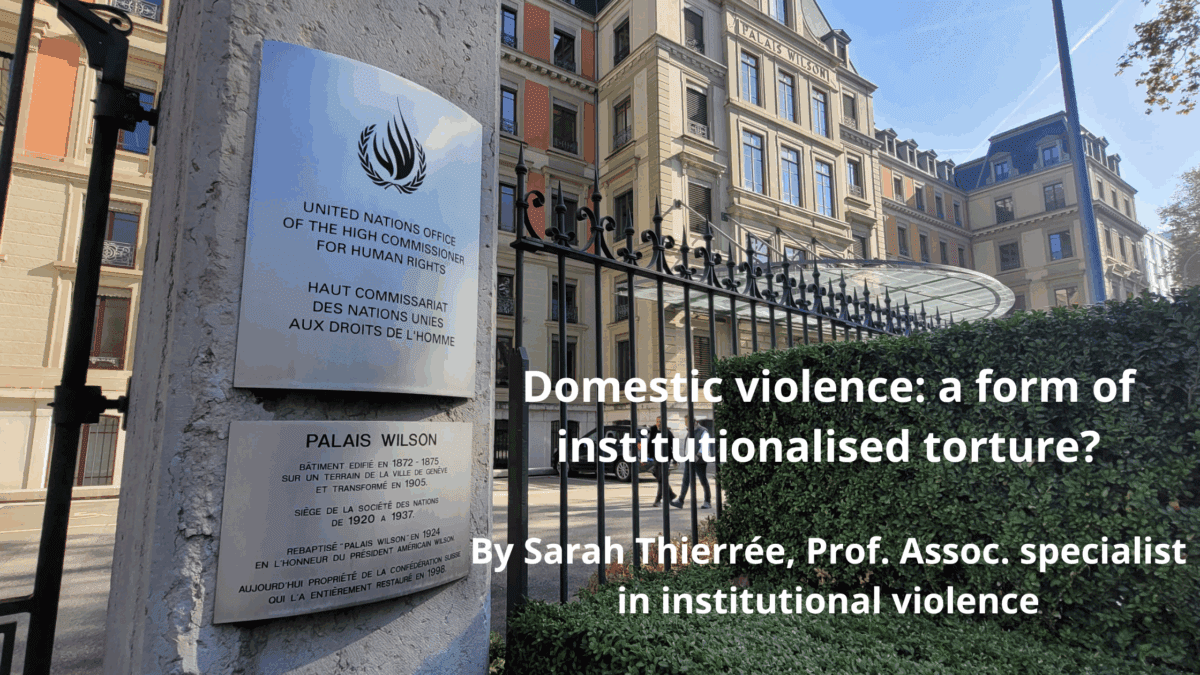
Domestic violence: a form of institutionalised torture?

The socio-judicial treatment of domestic violence in France is a cause for concern. At a time when our country, the self-proclaimed defender of human rights, is struggling to protect children and their protective parents from domestic violence, it is crucial to highlight the serious malfunctioning of our institutions. These practices, which I describe in a file submitted to the UN Committee against Torture as a form of institutionalised torture, expose the victims to a double penalty: that of the violence suffered and that of the procedures that condemn them to injustice and create new traumas.


Read article

Syria: Children’s rights at the heart of the issues after the fall of the Assad regime

The fall of Bashar al-Assad’s regime on 8 December 2024 after fourteen years of civil war marks a major turning point for Syria. However, it also highlights the serious violations of children’s rights during the conflict. In the light of this particularly worrying information, based on data from international reports and first-hand accounts, I have submitted a dossier to the United Nations to draw attention to these injustices and make concrete recommendations.

Read article

Institutional Abuse: When Protective Mothers Become Victims of the System

Within the labyrinth of family courts, a chilling paradox persists: mothers, who should be lauded for their courage in denouncing the abuse suffered by their children, often find themselves exposed to paroxysmal institutional violence. These women, often referred to as “protective mothers,” see their role as protective parents distorted and their rights restricted by institutions meant to ensure justice and safety. But how can processes designed to protect sometimes reproduce the very mechanisms of abuse they are supposed to combat—or even generate new ones?

Read article